
Hormuz Tensions Could Raise Fuel Prices in Afghanistan
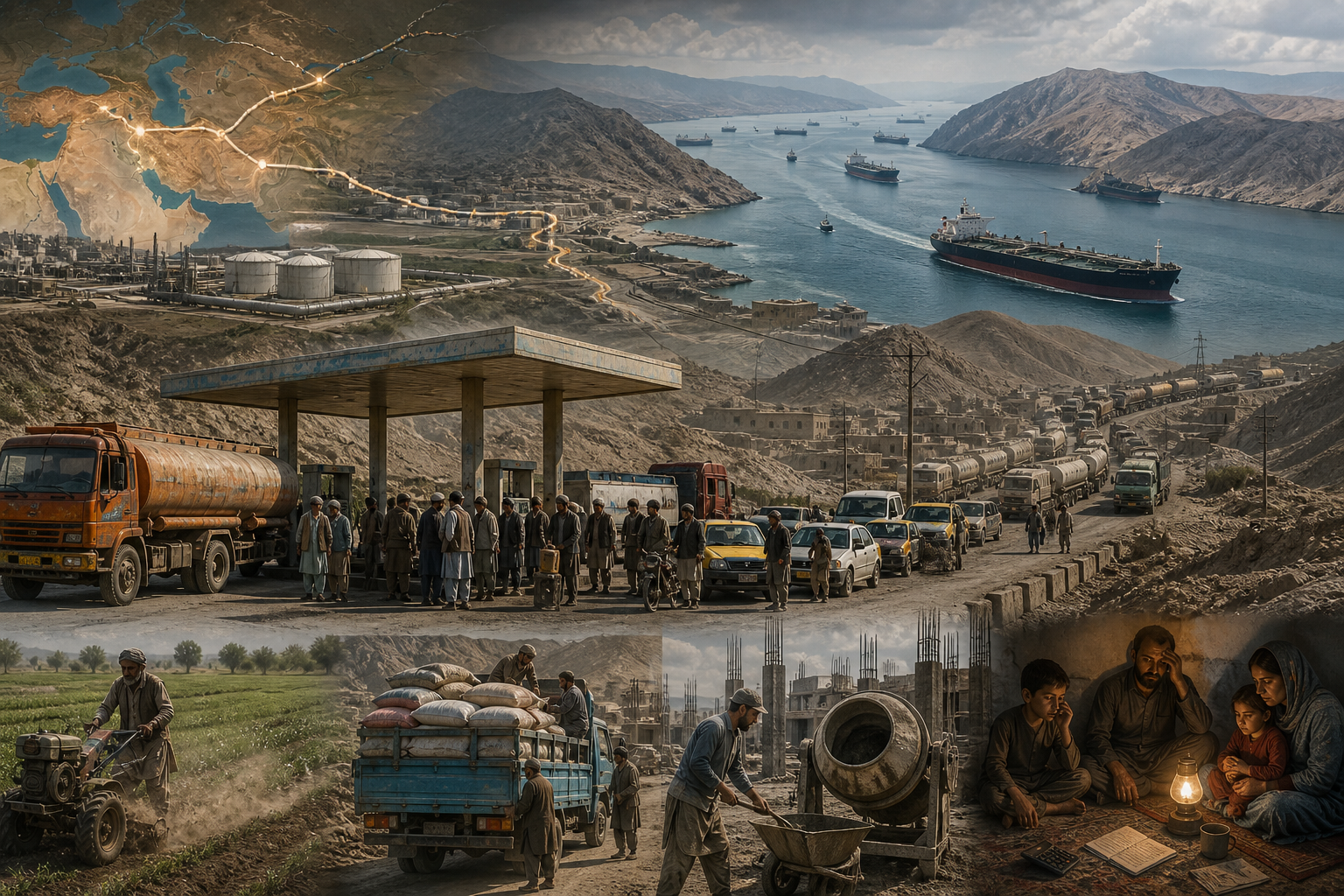
Tensions around the Strait of Hormuz could increase fuel prices in Afghanistan by disrupting international energy routes and raising import costs. Afghanistan relies heavily on petroleum imports, making transportation, agriculture, construction and small businesses vulnerable to higher gasoline and diesel prices.
More expensive fuel could also raise transport costs and the prices of food and other goods. Imports from multiple suppliers may reduce dependence on a single route, while stable regional connections and market monitoring could help limit the effects of external energy shocks.
Growing tensions around the Strait of Hormuz could create new pressure on fuel prices in Afghanistan, as the country depends heavily on imported petroleum products. Any major disruption to international energy routes could affect transportation costs, supply chains and the price consumers pay at fuel stations.
The Strait of Hormuz is one of the world’s most important energy routes. Large quantities of crude oil and petroleum products pass through the waterway every day, connecting major producers in the Middle East with markets across Asia and other parts of the world. A prolonged disruption could therefore have consequences far beyond the region.

Afghanistan does not have sufficient domestic oil production to meet its fuel needs and relies on imports from regional and international suppliers. According to local reporting, Afghan fuel imports currently come from countries including Iran, Turkmenistan, Russia, Belarus and Kazakhstan. Officials say fuel imports are continuing, but international market changes remain a concern.
Higher international oil prices could have a direct effect on Afghan households and businesses. Fuel is essential for transportation, agriculture, construction and many small businesses. If import costs rise, transport companies may increase fares, while businesses could face higher costs for moving goods and operating equipment.

The impact could also extend beyond gasoline and diesel. Higher energy and transportation costs can gradually increase the price of food and other consumer goods because businesses often pass part of their additional expenses through the supply chain. For a country where many families already face economic pressure, even moderate increases in fuel prices could be significant.
Afghanistan’s diverse network of fuel suppliers could help reduce dependence on any single international route. Maintaining stable imports, monitoring domestic fuel markets and developing reliable regional supply connections could help limit the effects of external energy shocks. The situation around Hormuz therefore remains an important economic issue for Afghanistan, even though the country is far from the strategic waterway.