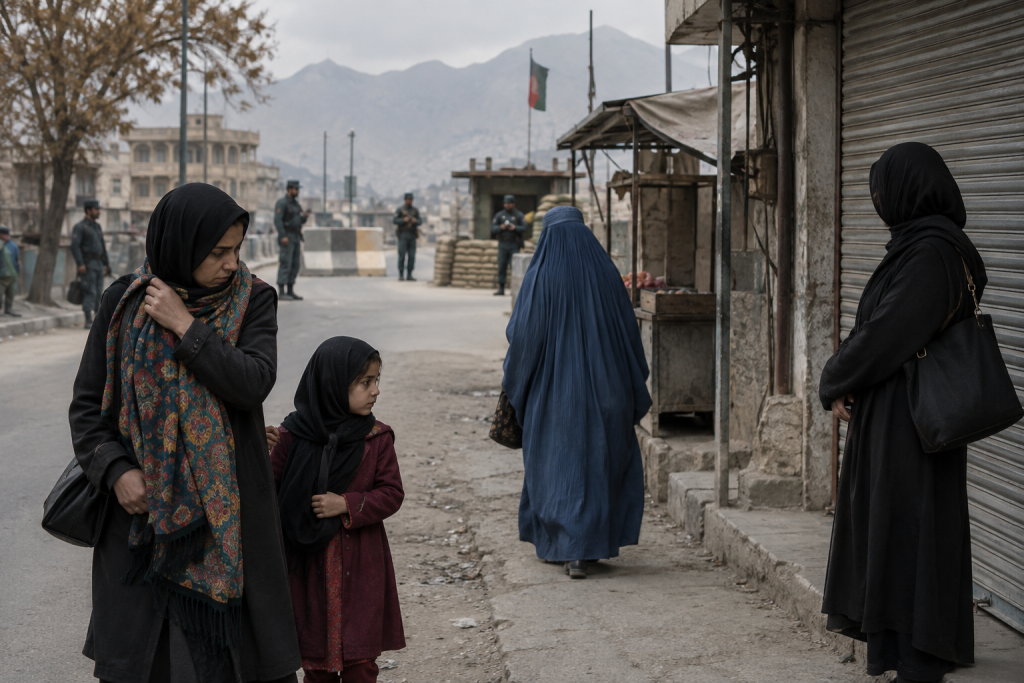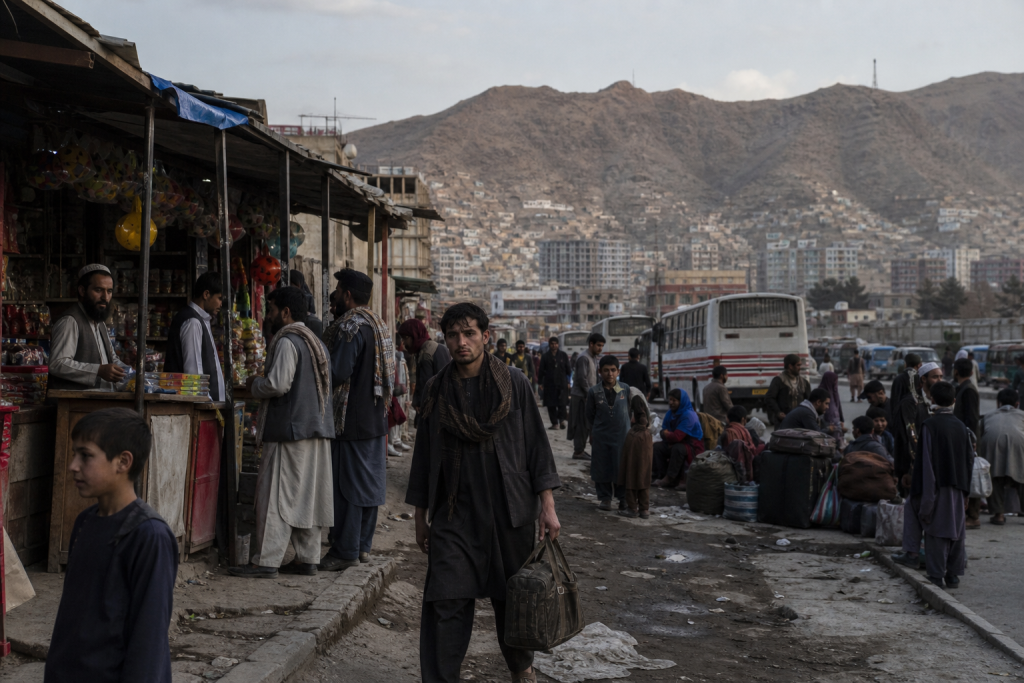

Afghanistan retains broad territorial stability under Taliban control, but localized violence persists. A United Nations report recorded 88 attacks by armed opposition groups across 21 provinces from May to July, while ACLED reported increased political violence in parts of Badakhshan and Herat. Read More
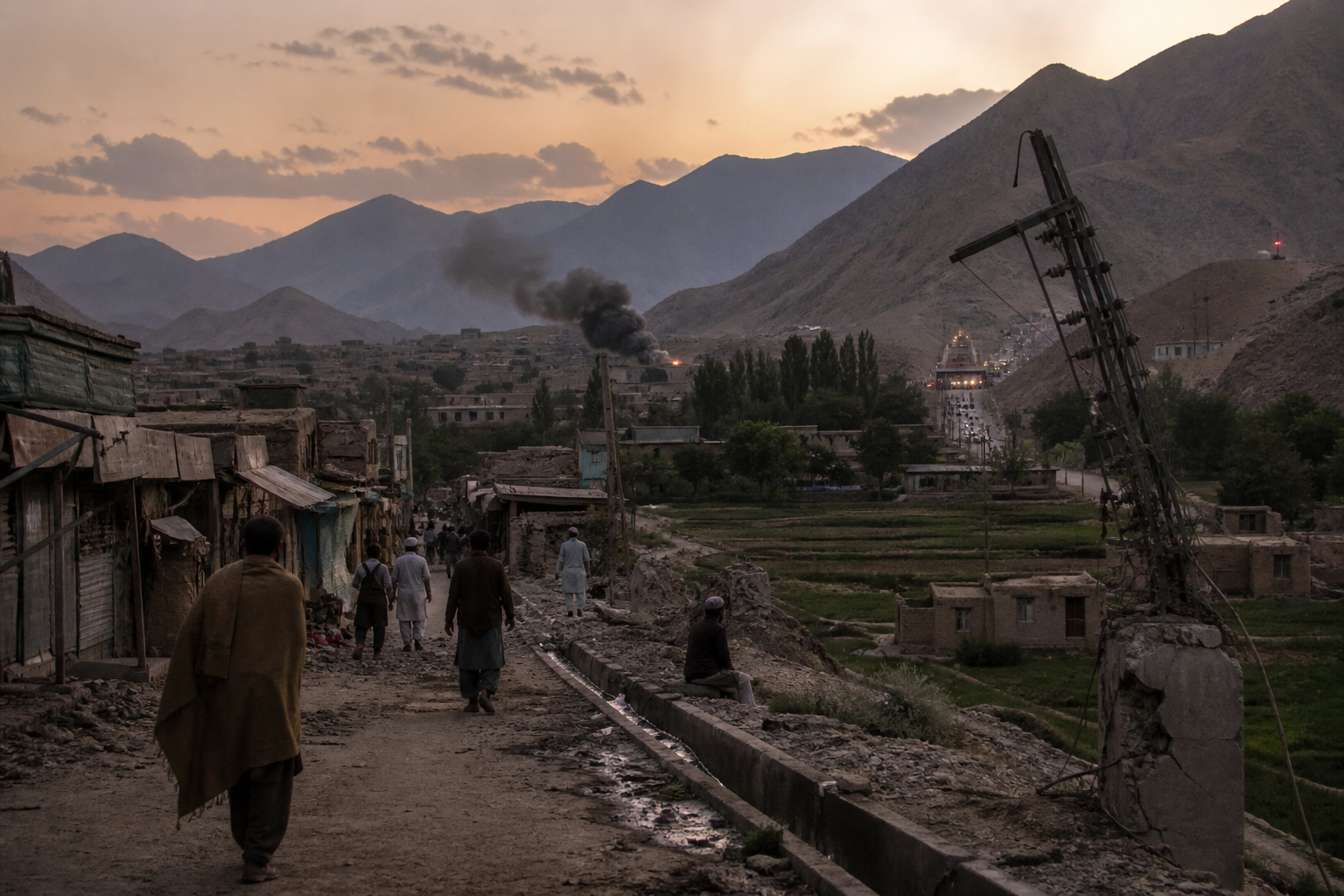
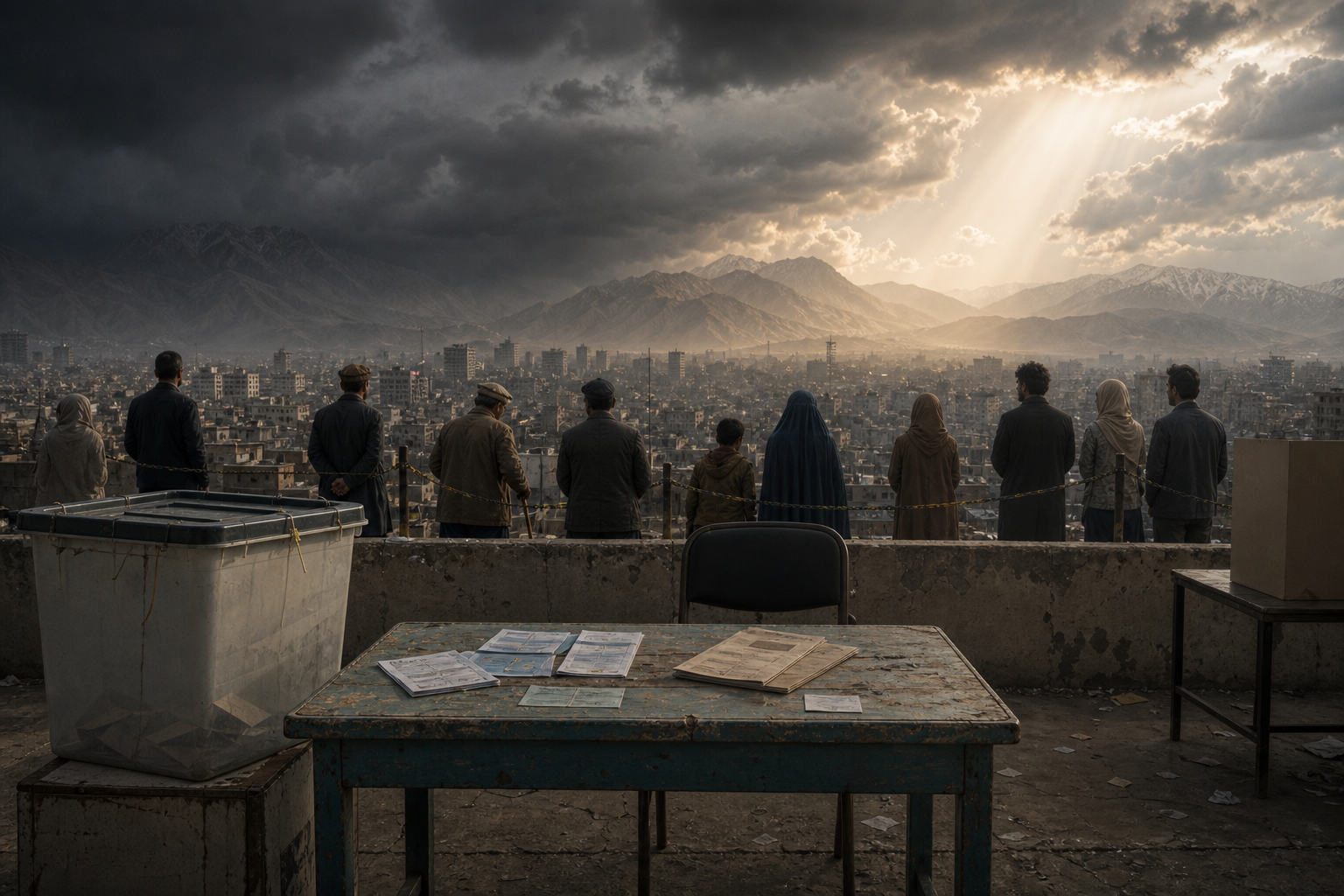
A concise look at Afghanistan’s recent electoral history: the 2018–2019 votes, the 2021 collapse of electoral institutions, and the scenarios for future elections. Afghanistan Elections: What Happened, What Changed, and What Comes Next The question of elections in Afghanistan is both recent Read More
The General Directorate of Intelligence (GDI) is the Taliban authorities’ primary intelligence and security agency. Since 2021, it has gathered information on security threats and investigated opposition, while also becoming central to monitoring criticism and controlling independent media. Human Rights Watch has Read More
The Kremlin says Russia is open to renewed peace talks involving Russia, Ukraine and the United States, although no date or location has been set. The statement followed meetings between U.S. envoys Steve Witkoff and Jared Kushner, Russian President Vladimir Putin and Read More
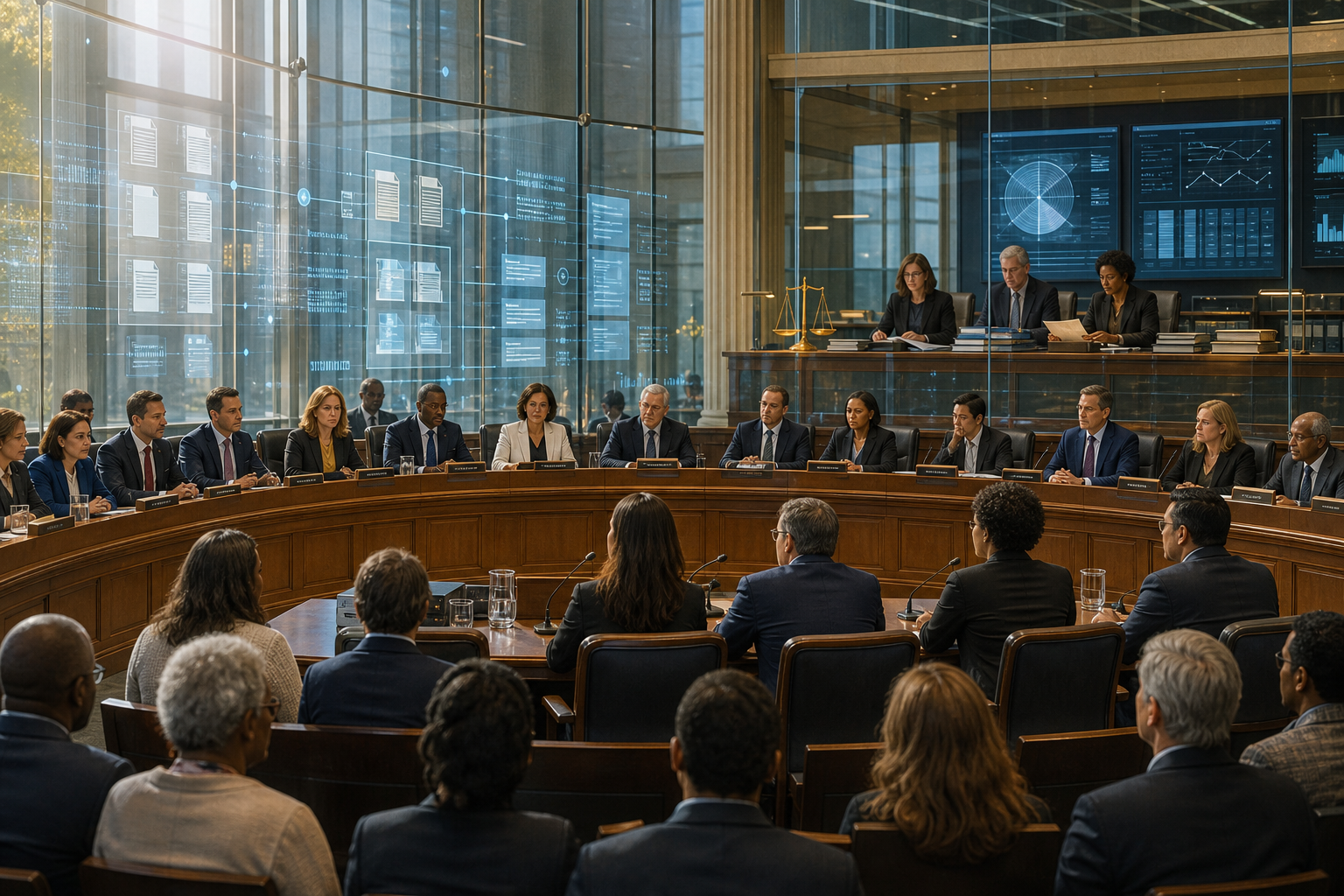
A bipartisan congressional coalition has introduced sweeping legislation to modernize federal transparency laws and enhance public oversight of government operations. The proposed bill aims to digitize records, reduce FOIA backlogs, and establish an independent board to enforce accountability standards across federal agencies.
Government accountability and transparency are facing severe strain due to record-breaking public records requests, outdated technological infrastructure, and persistent oversight gaps. Modernizing digital data systems and streamlining reporting processes are critical to restoring public trust and ensuring effective civic oversight.
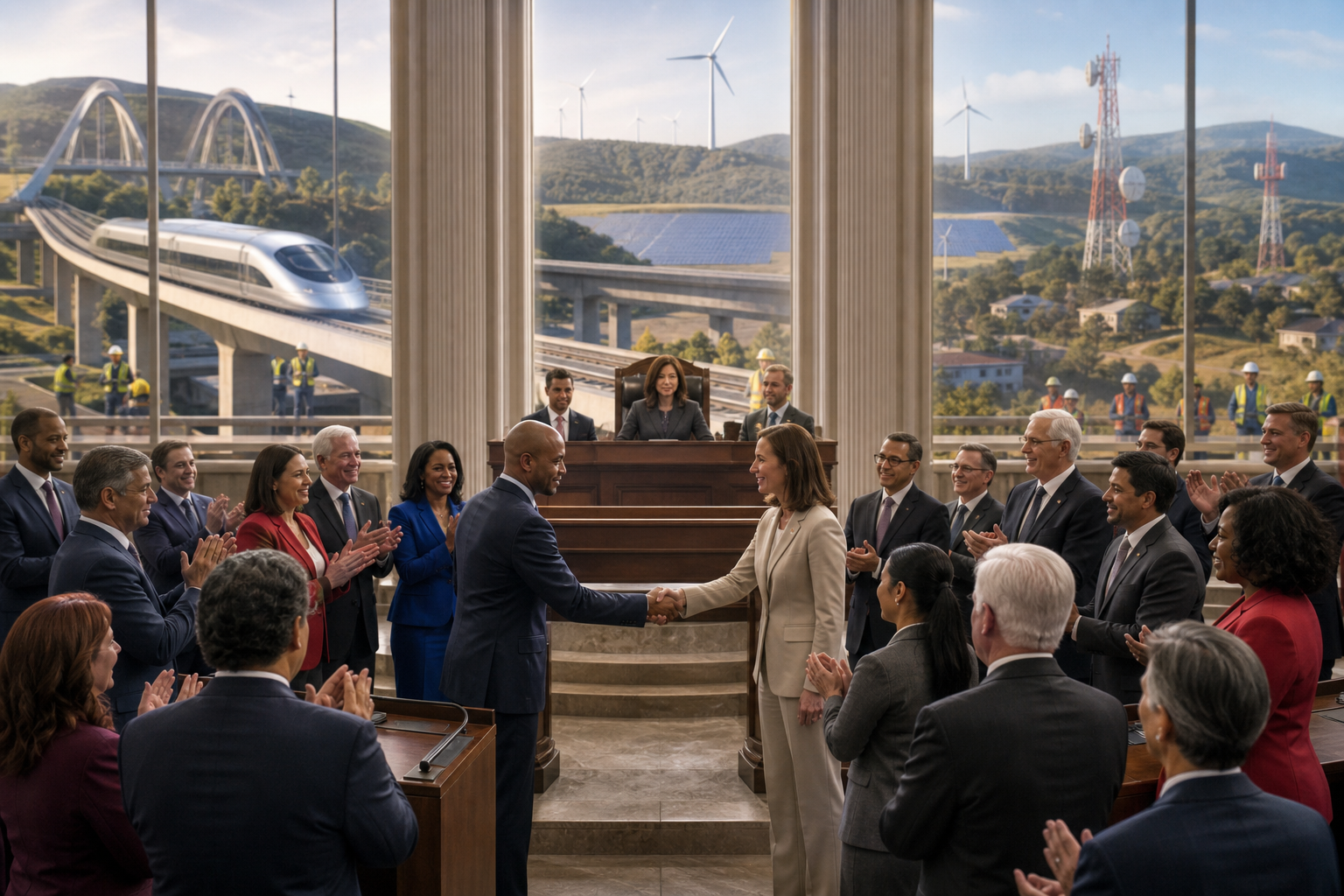
Congress has passed a comprehensive bipartisan package focused on infrastructure, digital modernization, and green energy regulation. The legislation aims to boost economic competitiveness while implementing strict oversight mechanisms to manage federal spending.
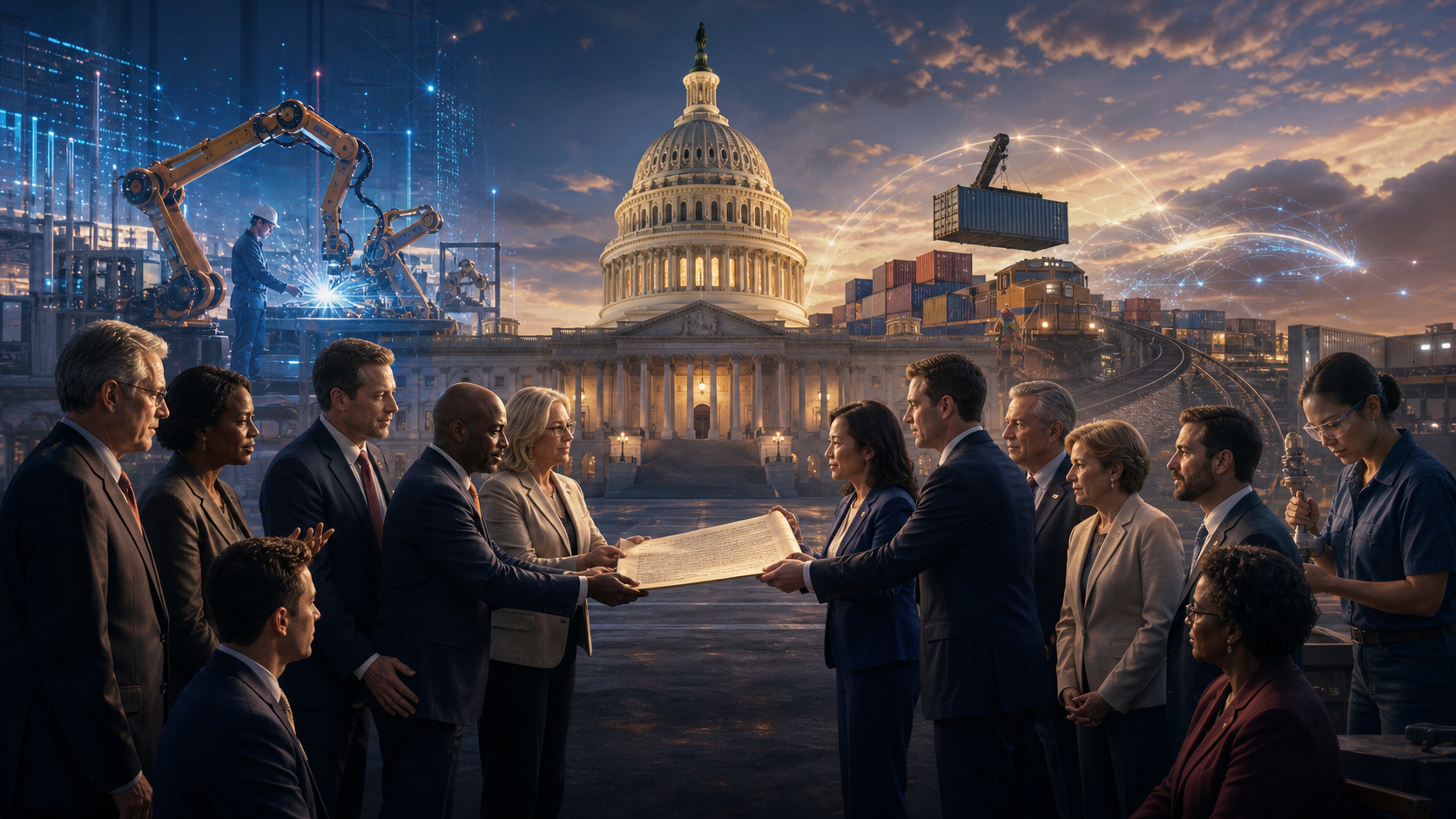
Congress has passed a major bipartisan legislative package aimed at modernizing the national economy and reforming regulations. The new policy introduces targeted tax credits, workforce training initiatives, and supply chain enhancements, with the President expected to sign it into law next week.
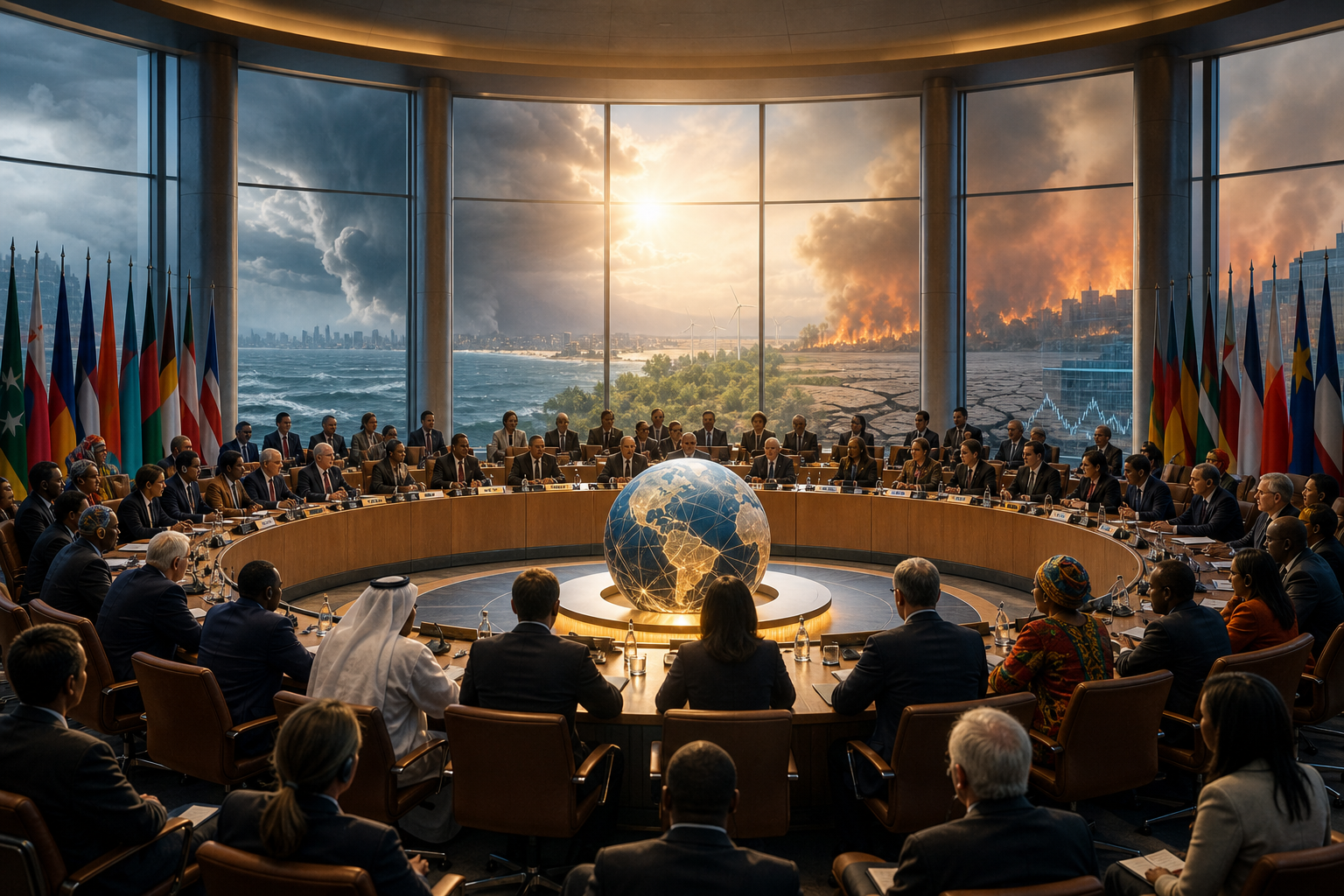
Global leaders gathered at the United Nations to reaffirm their commitment to multilateral cooperation in the face of escalating international crises. The summit emphasized the urgent need for institutional reforms and collective problem-solving to address climate change, geopolitical tensions, and economic instability.
The world is entering a period of growing geopolitical tension, economic uncertainty and rapid technological change. At the same time, countries continue to face challenges that cannot be solved by one nation alone, including climate change, humanitarian crises, economic instability and global Read More