
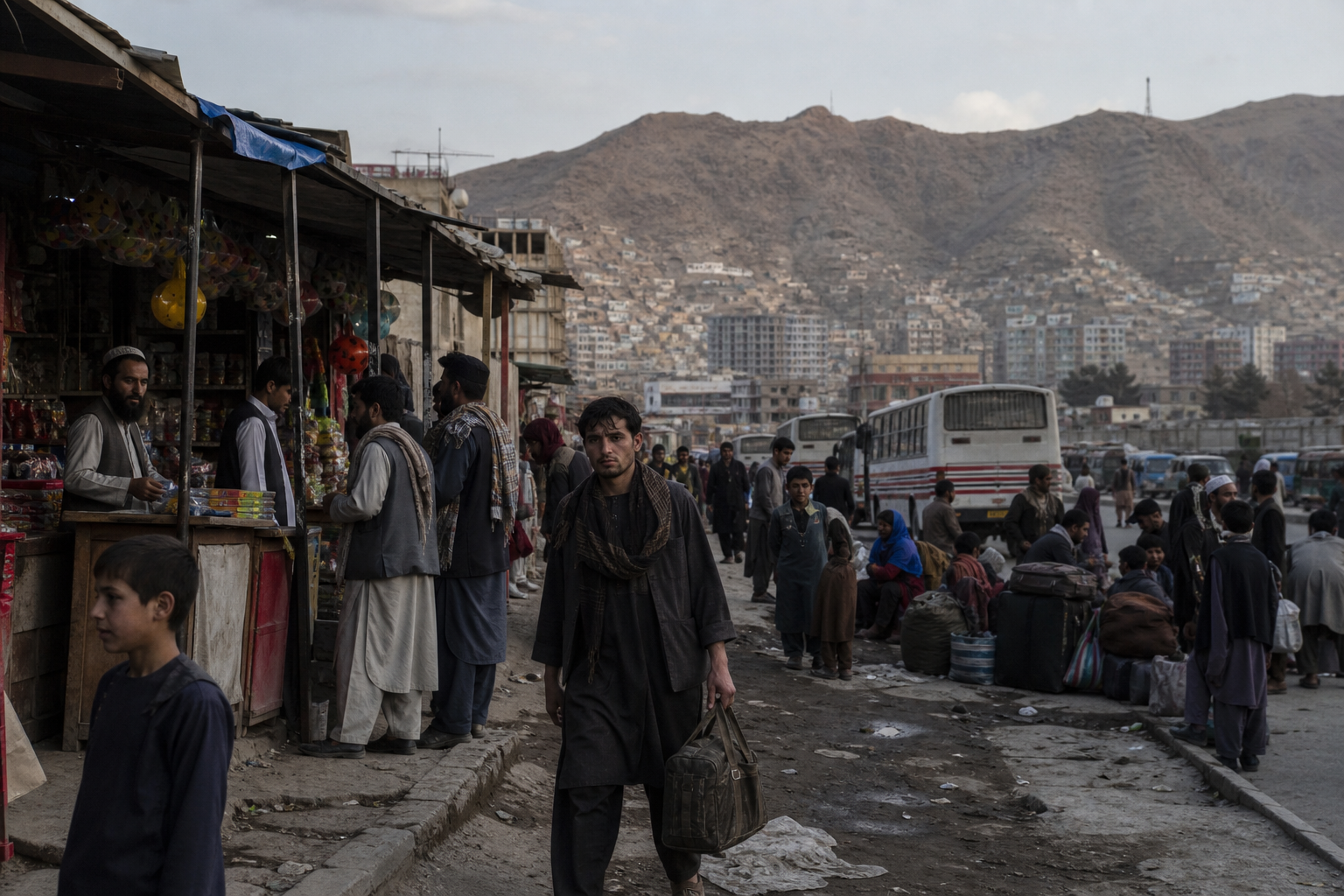
Afghanistan’s Economy Is Growing, but Millions Are Still Waiting to Feel the Change
Afghanistan’s economy has expanded for a second consecutive year, supported by stronger revenues and relatively low inflation. However, persistent poverty, limited employment, weak investment and uncertainty mean economic growth has not substantially improved living conditions for many households.
Rapid population growth, a widening trade deficit and returning Afghans from neighboring countries are adding pressure to the labor market and humanitarian situation. Broader gains will depend on sustained investment, stronger private-sector activity and more productive opportunities for workers.

Afghanistan’s economy has shown signs of expansion, but economic growth has not yet translated into better living conditions for millions of people. Businesses are operating, revenues have increased and some parts of the economy are recovering, yet poverty and limited employment opportunities continue to affect households across the country.
The World Bank reported that Afghanistan’s economy expanded for a second consecutive year, supported by stronger revenues and relatively low inflation. However, the bank also warned that rapid population growth, a widening trade deficit and persistent poverty remain major challenges for the country’s economic outlook.
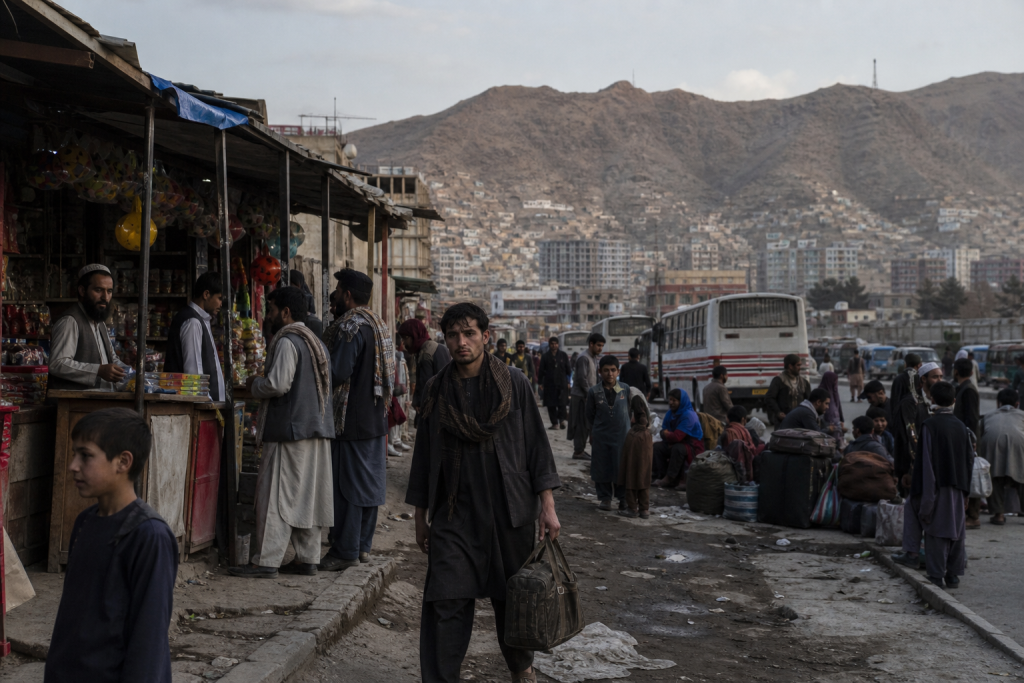
For many families, the difference between economic growth and household income remains significant. A stronger national economy does not automatically create enough jobs or raise wages for everyone. Small businesses and workers continue to face difficulties linked to weak demand, limited investment and uncertainty surrounding the broader economic environment.
Population growth is adding another layer of pressure. More people entering the labor market means Afghanistan needs substantially more jobs and productive opportunities simply to prevent unemployment and poverty from worsening. Without stronger private-sector activity, economic expansion may remain concentrated in parts of the economy rather than reaching households evenly.
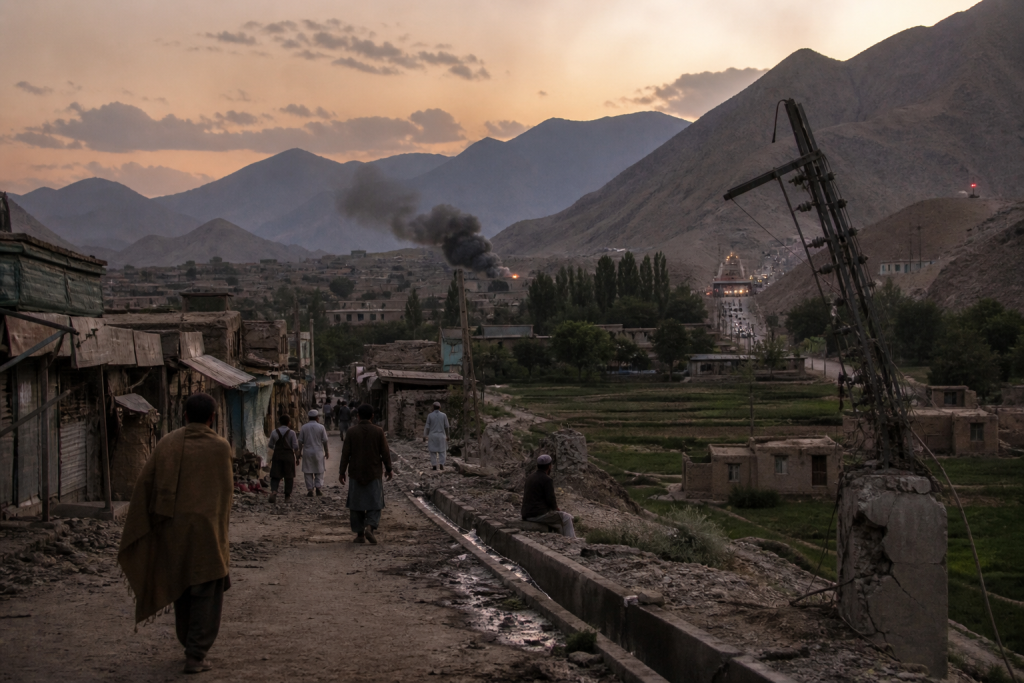
The situation is also closely connected to Afghanistan’s humanitarian needs. A recent UK government assessment noted that the country continues to face serious humanitarian and economic challenges, although it did not characterize the overall situation as uniformly catastrophic. This reflects the complexity of Afghanistan’s current conditions: economic activity can improve while many communities continue to struggle with poverty and limited access to opportunities.
The return of large numbers of Afghans from neighboring countries could add further pressure to the labor market. Reuters recently reported that thousands of Afghans returning from Iran are arriving with limited savings and few employment prospects, creating additional challenges for communities already dealing with economic hardship.
Afghanistan’s next economic challenge will therefore be turning growth into broader improvements in household incomes and employment. Sustained investment, stronger businesses and more opportunities for workers could help make economic growth more meaningful for ordinary families. Until that happens, national growth figures may continue to tell only part of the economic story.