
As Winter Nears, Afghanistan’s Women-Led Families Face a Harder Choice: Heat or Other Essentials?
As winter approaches, many Afghan families, particularly women-led households, face difficult choices between heating fuel, warm clothing, food and other essentials. Rising costs and limited income opportunities can affect children’s nutrition, school attendance and safe living conditions.
The situation reflects Afghanistan’s broader humanitarian crisis, with approximately 17.4 million people expected to need urgent food assistance in 2026. Effective winter support may require targeted help with food, heating and clothing, alongside longer-term income opportunities for vulnerable households.
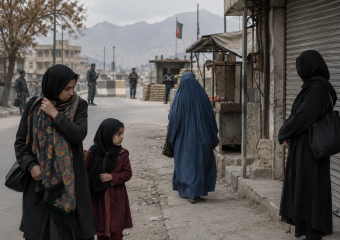
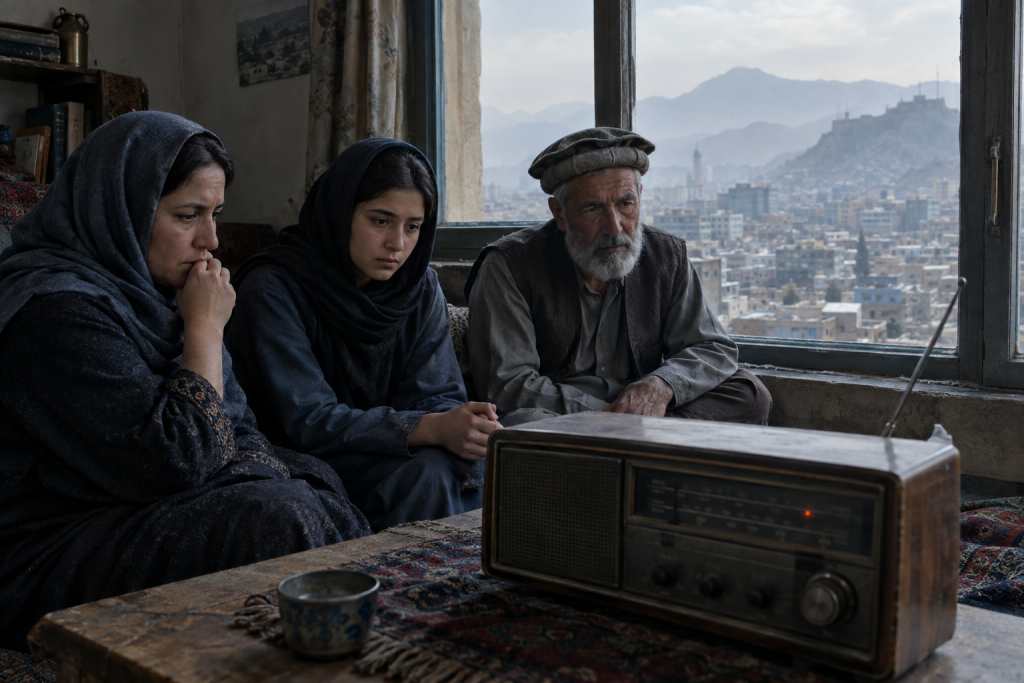
As temperatures begin to fall across Afghanistan, preparing for winter is becoming a difficult financial calculation for many families. For households led by women, the challenge can be especially severe: heating a home, buying warm clothing and putting food on the table may compete for the same limited income.
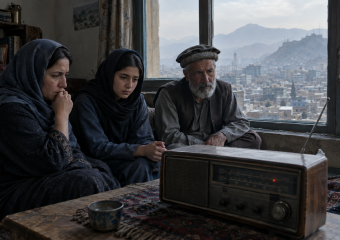
A report published by Voice of America on October 13 highlighted the concerns of women-led households ahead of winter. One single mother in Kabul described the rising costs of fuel and clothing as a major source of anxiety. Her account reflects a wider humanitarian concern: families with limited earning opportunities have fewer ways to absorb seasonal price increases.

When winter expenses compete with daily needs
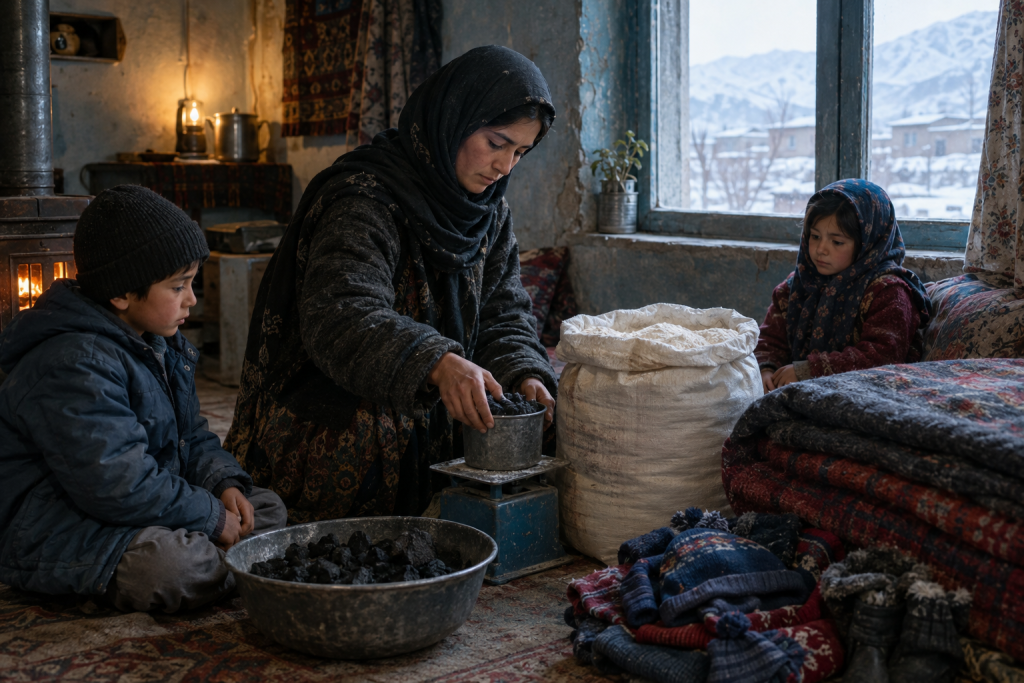
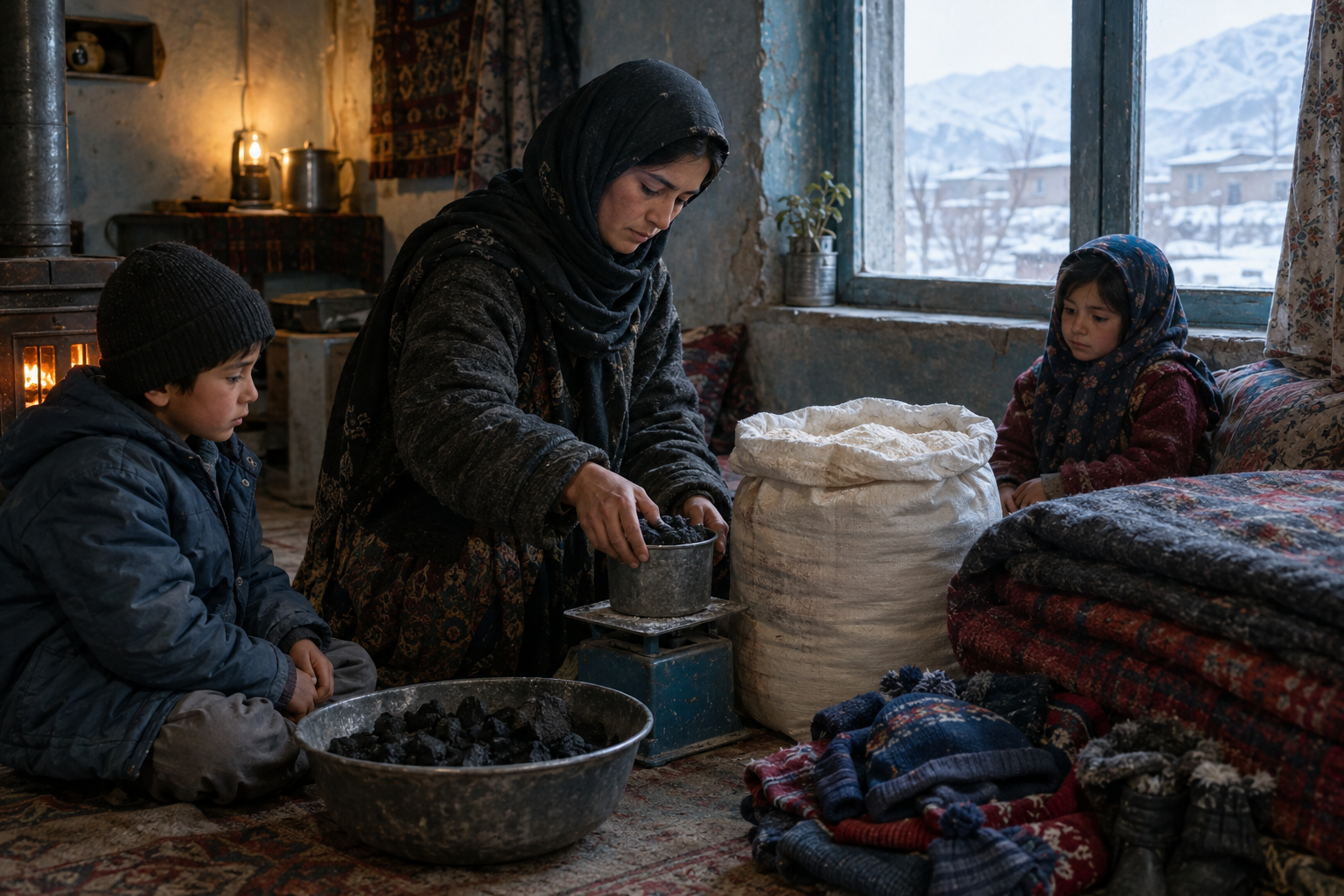
Heating fuel, blankets, winter clothing and nutritious food are essential during Afghanistan’s cold months. But when household budgets are already stretched, purchasing all these necessities can become difficult.

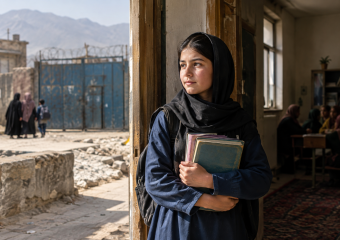
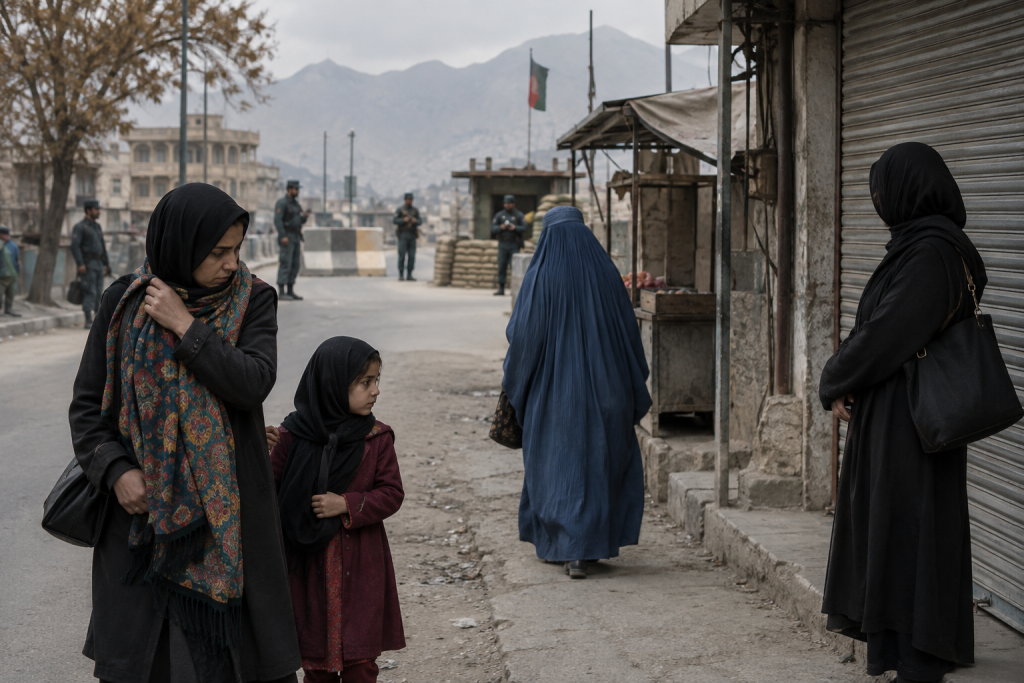
Women who have lost employment or face restrictions on working may have limited options to increase their income. The effects can extend beyond immediate comfort, influencing children’s nutrition, school attendance and the ability of families to maintain safe living conditions.
The problem is not simply the arrival of cold weather. It is the combination of seasonal expenses and financial insecurity that leaves some households with little room to respond when prices rise or income disappears.

A wider humanitarian challenge
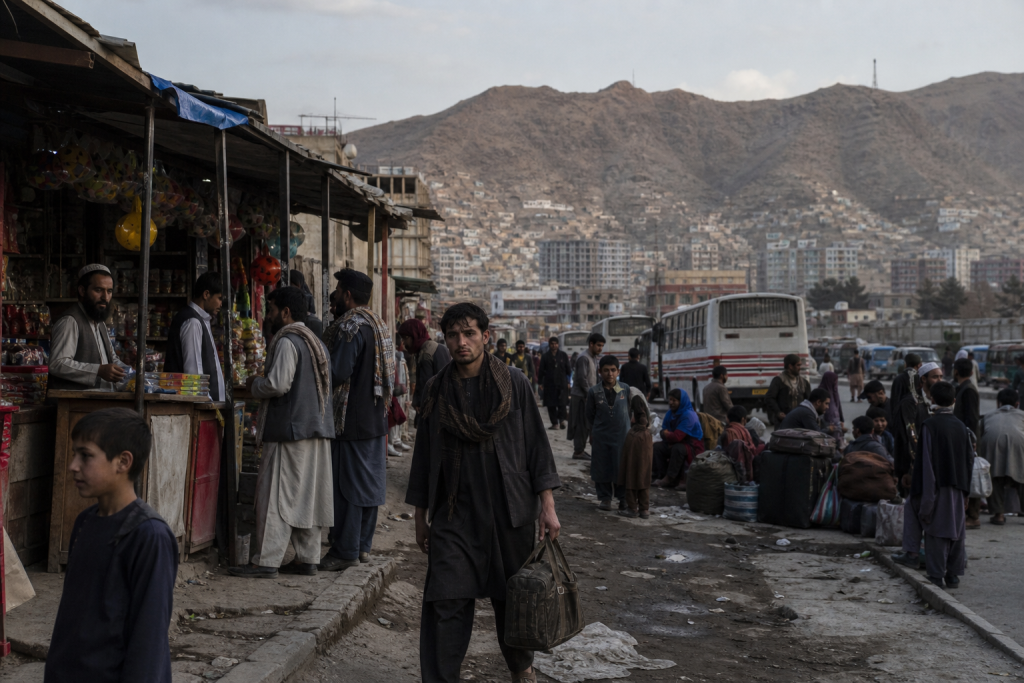
Afghanistan continues to face substantial humanitarian needs. According to reporting by VOA citing United Nations figures, approximately 17.4 million people in the country are expected to need urgent food assistance in 2026.
That figure illustrates the scale of food insecurity, although it does not measure how many households will lack heating or warm clothing specifically. Winter preparedness requires attention to these different needs rather than assuming that food assistance alone can protect vulnerable families from the cold.
Humanitarian organizations, local charities and community networks can help by identifying households most at risk, supporting access to food and heating supplies, and directing assistance toward families with few income sources. Reliable assessments are essential so that limited resources reach people who need them most.
What can make a difference?
Emergency support can help families manage immediate winter needs, while longer-term opportunities to earn income can strengthen their ability to cope with future crises. Assistance should also take account of older people, children, people with disabilities and households without reliable heating.
As winter approaches, the central question is whether support will reach vulnerable families before their needs become emergencies.
What should receive the greatest priority for struggling Afghan families this winter: heating fuel, food assistance, warm clothing or opportunities for women to earn an income? Share your thoughts in the comments.