
Regional Security Brief: Border Developments, Cross-Border Risks and Their Impact on Trade and Stability
Explore the latest regional security developments, border tensions, cross-border risks, and their potential impact on trade, transportation, and regional stability.
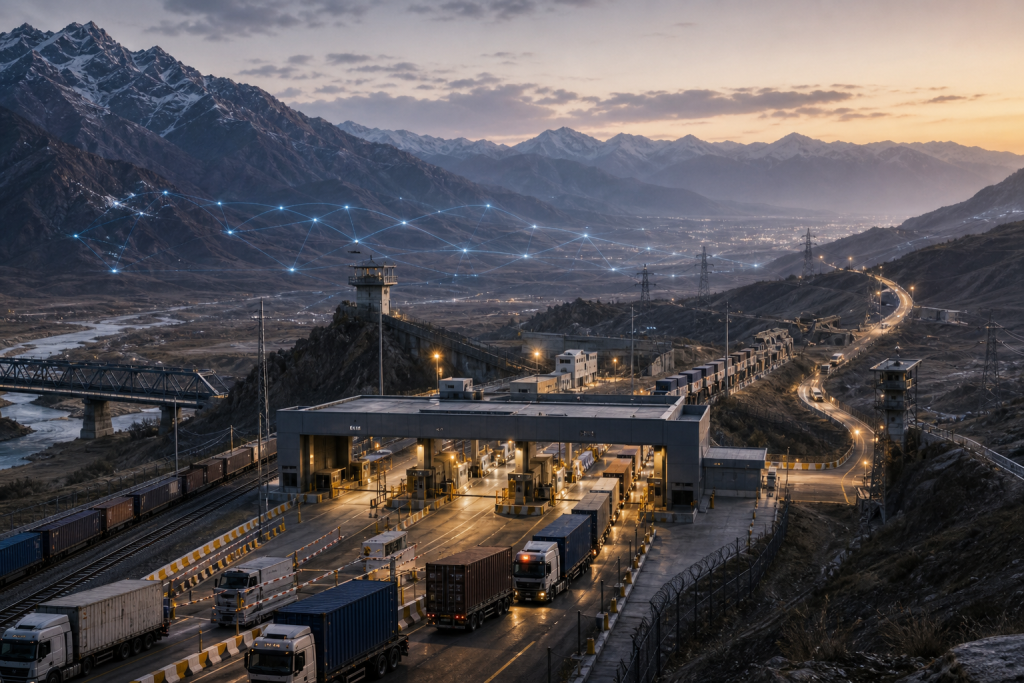
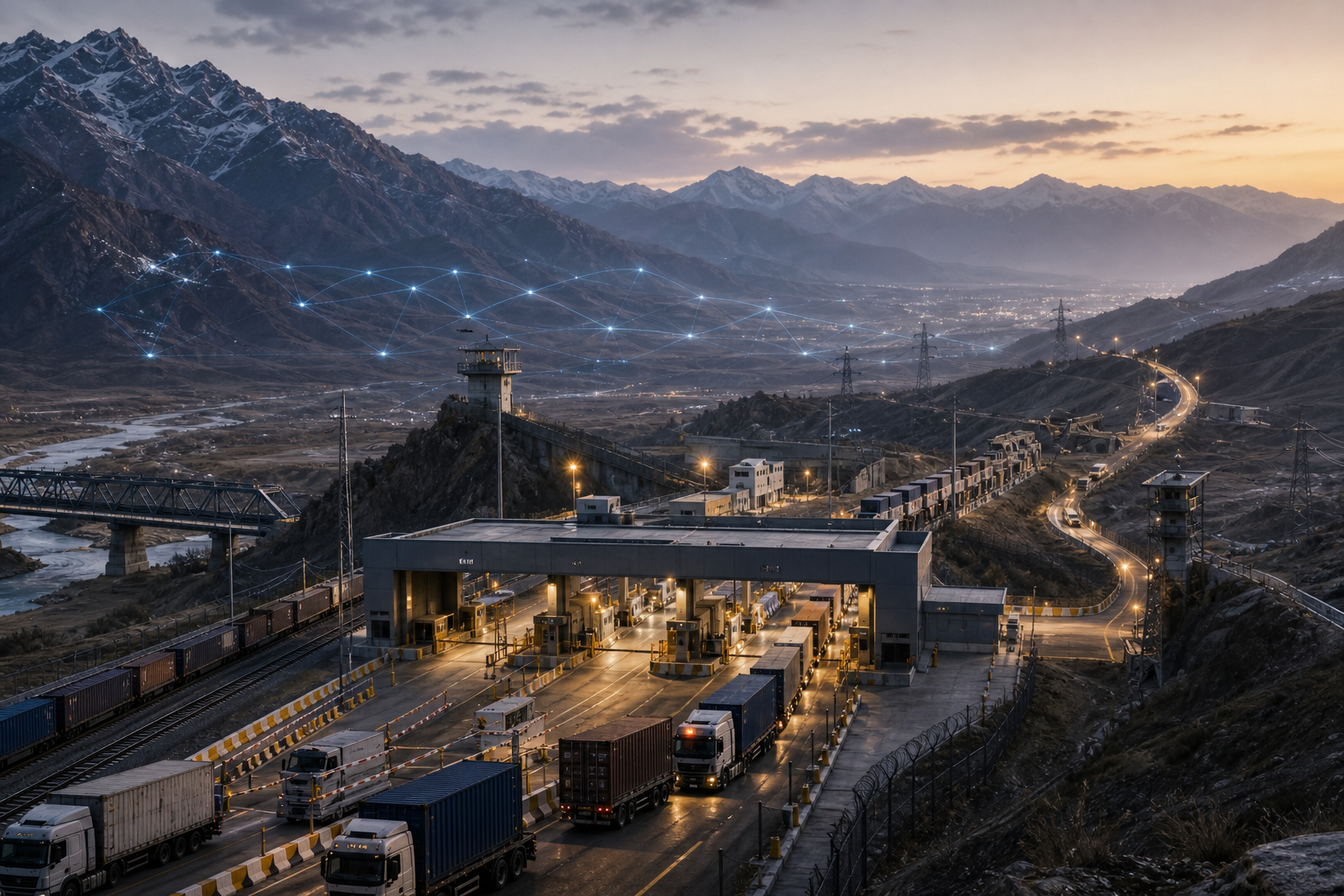
Border security is closely connected to regional trade, transportation, investment, and economic stability. When border crossings operate smoothly and countries maintain predictable transit arrangements, businesses can move goods more efficiently. However, security incidents, political tensions, border closures, and disruptions to transportation routes can quickly increase costs and create uncertainty for businesses and communities.

Border Developments and Regional Security
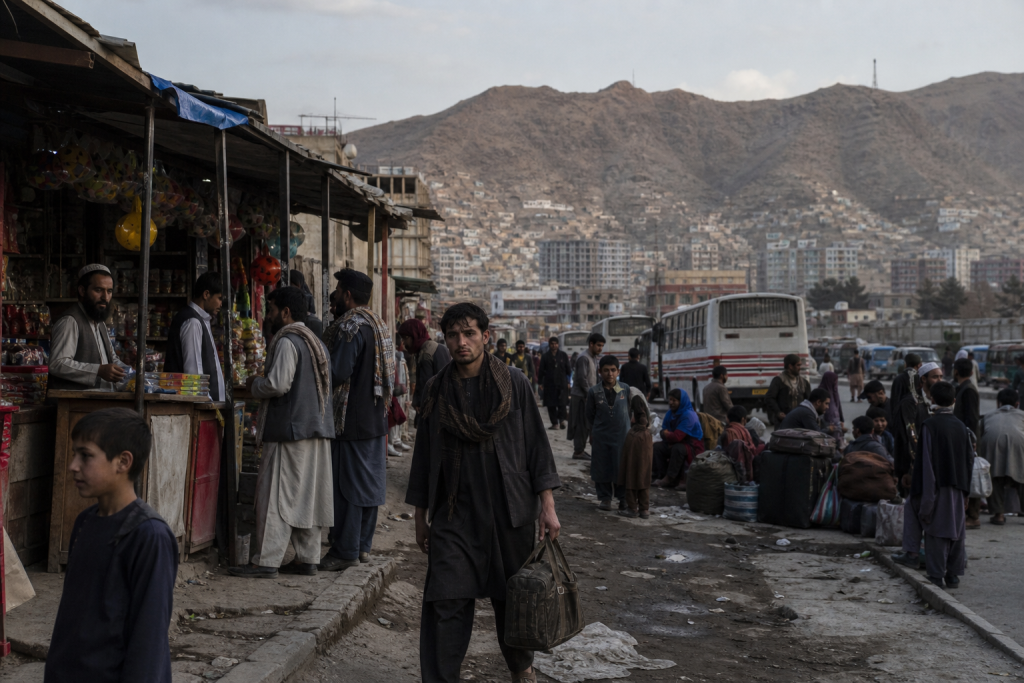
Recent developments across Central and South Asia demonstrate how closely security and connectivity are linked. In Afghanistan, continued tensions with Pakistan and disruptions to bilateral trade and transit have encouraged greater use of alternative routes through Central Asia and Iran. The World Bank reported that border closures and regional instability had increased logistical costs and contributed to changes in Afghanistan’s trade routes.
Elsewhere in Central Asia, countries have continued efforts to improve border cooperation. Kyrgyzstan and Tajikistan began installing border pillars in July 2026 after completing a major stage of their border delimitation process, an important development for managing a historically sensitive frontier.

Impact on Cross-Border Trade
Border disruptions can affect trade in several ways. Delays at checkpoints can increase transportation costs, while uncertainty can cause companies to change suppliers, routes, or delivery schedules. For landlocked economies, dependable transit corridors are particularly important because alternative routes may require longer distances and additional infrastructure.
Afghanistan’s recent trade adjustments illustrate this challenge. Redirecting shipments through alternative corridors can provide greater route diversification, but the World Bank has noted that these alternatives may involve higher transportation costs and longer transit times.

The Importance of Regional Connectivity
Improving regional security does not depend only on military or border measures. Efficient customs procedures, reliable infrastructure, information sharing, and cooperation between neighboring countries can also strengthen the resilience of trade corridors.
Central Asian countries are increasingly focusing on connectivity and regional cooperation, while major infrastructure initiatives are also targeting cross-border energy and digital networks.
Looking Ahead
Regional security developments will continue to influence trade routes, investment decisions, transportation costs, and economic cooperation. Monitoring border conditions alongside diplomatic and infrastructure developments can help businesses and policymakers better understand emerging risks.
For the region, maintaining predictable borders and developing multiple reliable trade corridors can reduce dependence on individual routes and provide greater resilience when disruptions occur.