
Afghanistan’s Winter Hunger Crisis: Why Better Harvests Are Not Enough
Despite improved rainfall, harvests and pasture conditions in 2026, about 19.2 million people in Afghanistan are projected to face acute food insecurity from November 2026 through April 2027. Unemployment, high prices, reduced aid and returning migrants continue to limit household access to food.
The report also projects acute malnutrition among about four million women and children in 2027. It calls for continued humanitarian and nutrition assistance alongside livelihood support, agricultural investment, market access and employment opportunities.
KABUL, Afghanistan — Afghanistan’s approaching winter presents a difficult question: if agricultural conditions have improved, why are millions of people still expected to struggle to obtain enough food?
A joint report published on October 15, 2026, by the Food and Agriculture Organization of the United Nations (FAO) and the World Food Programme (WFP) projects that approximately 19.2 million people in Afghanistan will face acute food insecurity between November 2026 and April 2027. This represents about 38 percent of the population covered by the assessment.

The report highlights a critical distinction: producing more food does not necessarily mean that families can afford to eat well.
Food Availability Is Not the Same as Food Security

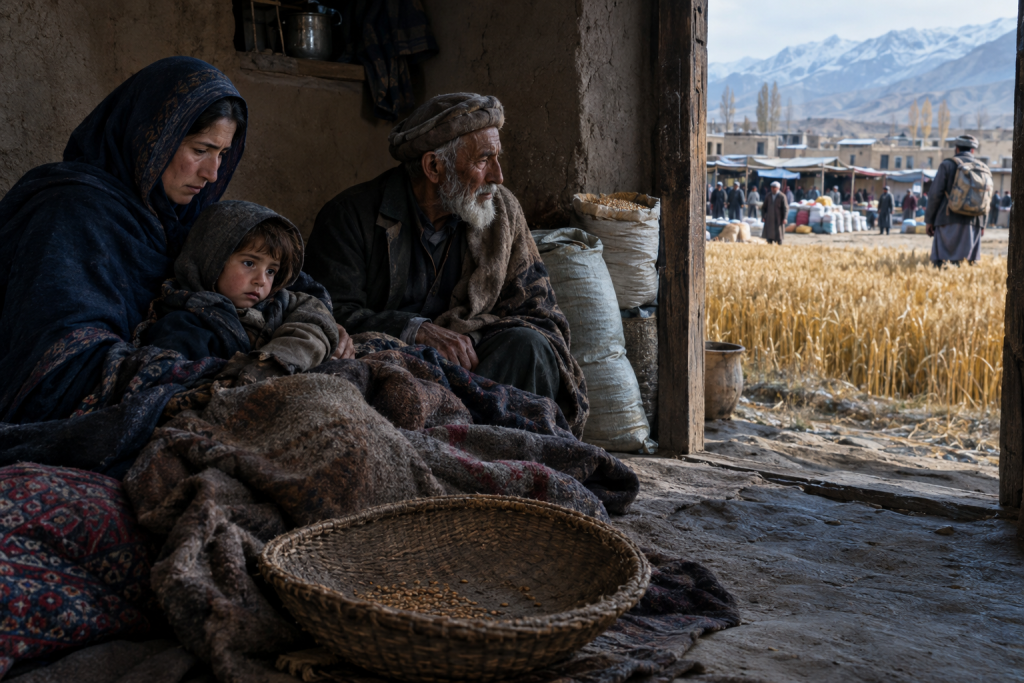
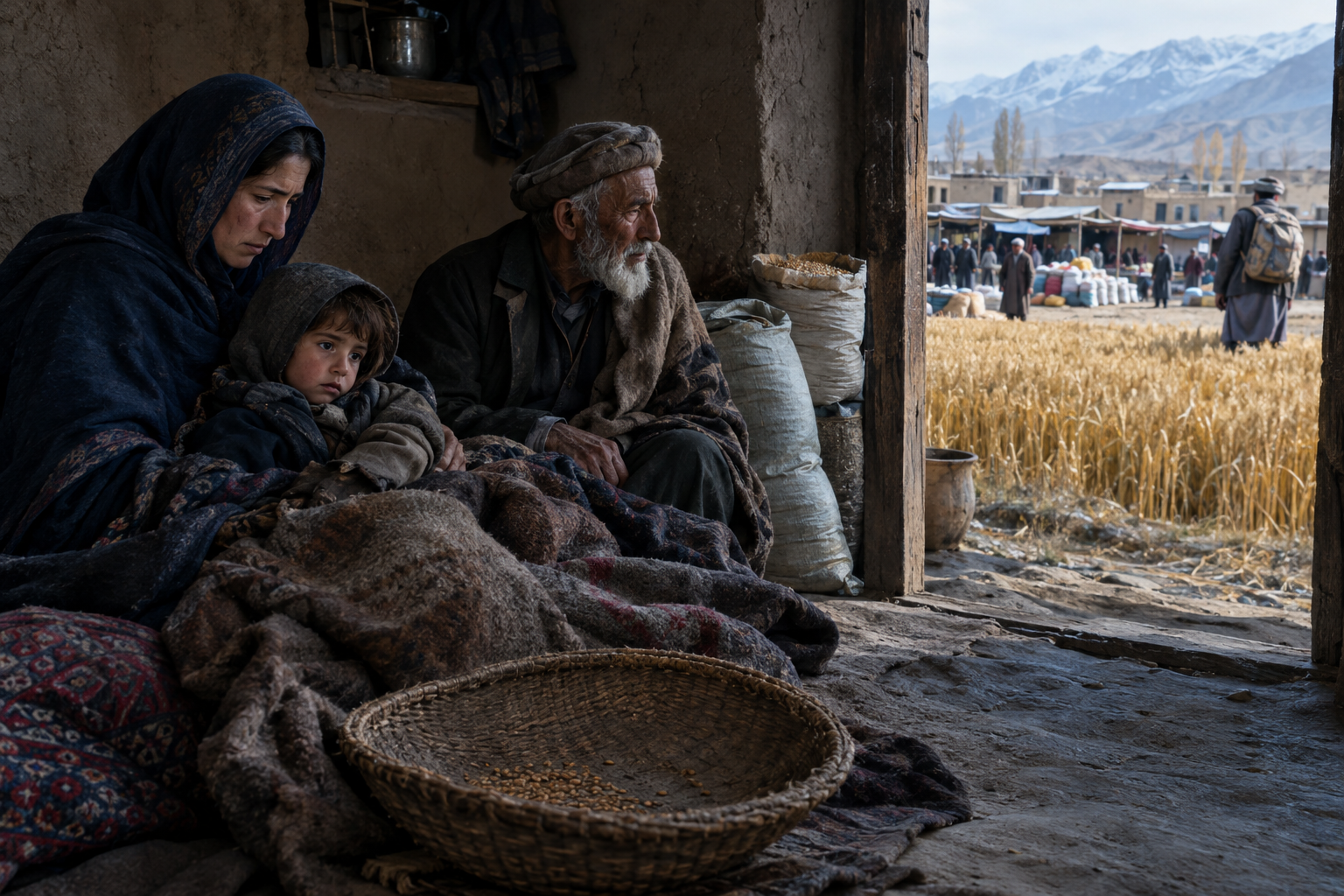
Favorable rainfall supported agricultural production and pasture recovery in many areas during 2026. Yet the benefits of a stronger harvest do not reach every household equally.
According to the “FAO and WFP report” (https://afghanistan.un.org/en/324475-food-insecurity-and-child-malnutrition-worsen-afghanistan-despite-strong-agricultural-season), unemployment, high food and transport costs, reduced humanitarian assistance and the return of Afghans from neighboring countries are increasing pressure on vulnerable communities.

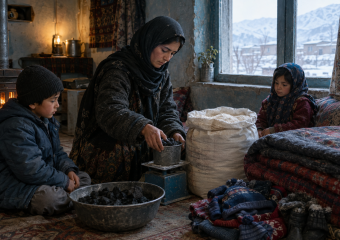
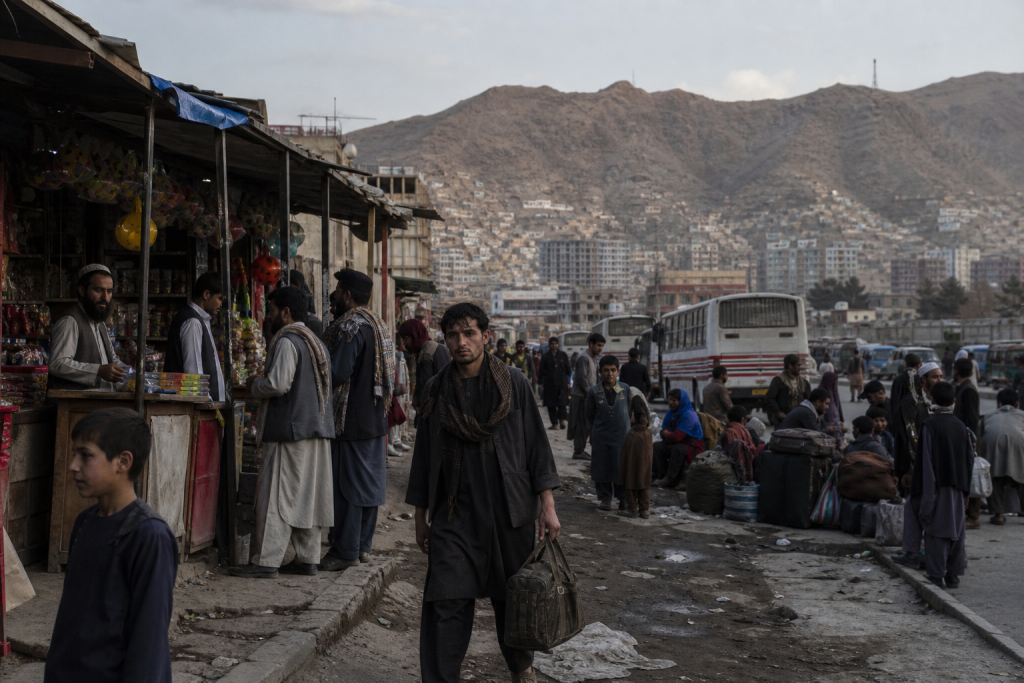
Families who grow their own crops may benefit from improved agricultural conditions. However, households that depend on daily wages, seasonal work or humanitarian support can remain at risk even when food is available in local markets.
This is why food security must be assessed not only by harvest levels but also by household income, food prices, access to markets and the availability of essential services.
The Winter Challenge Extends Beyond Hunger
The consequences can be especially serious for children and mothers. The same report projects that around four million women and children could experience acute malnutrition in 2027, with approximately one-quarter of those cases expected to be severe.
These are projections, not confirmed future outcomes. Nevertheless, they underline the importance of preventive nutrition services and timely humanitarian support before winter makes assistance more difficult to deliver.
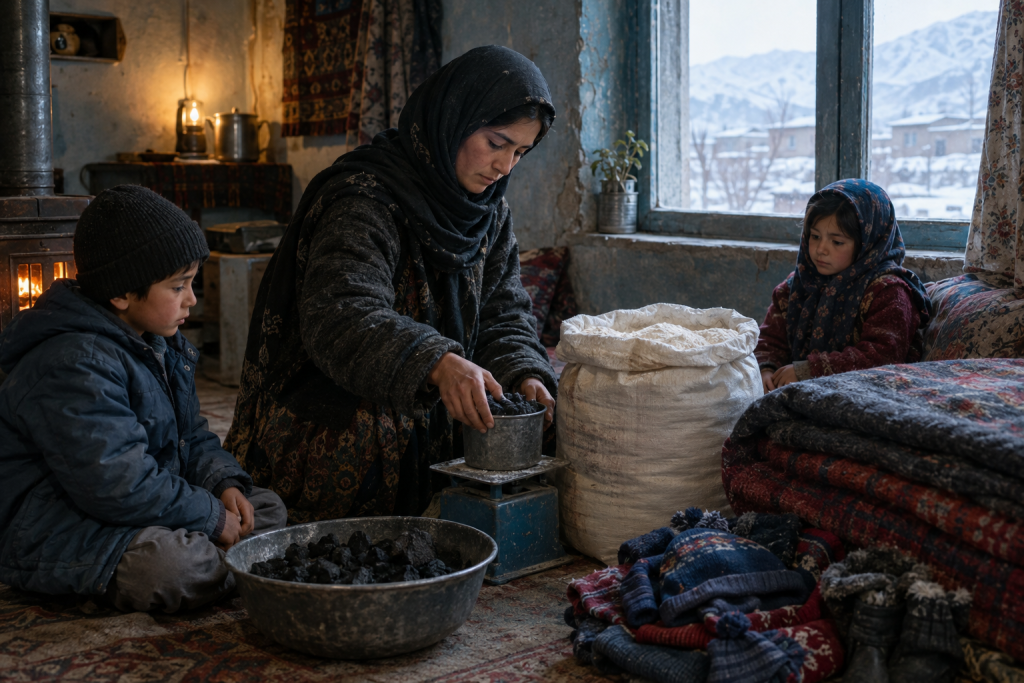
When families have limited resources, they may have to reduce meal sizes, choose less nutritious food or delay seeking medical care. Such pressures can deepen existing vulnerabilities and make recovery more difficult.
A More Sustainable Response Is Needed
Emergency food assistance remains essential, but Afghanistan also needs measures that help families earn reliable incomes and protect their livelihoods.
Support for farmers, access to agricultural inputs, stronger connections between producers and markets, and opportunities for local employment can help communities become more resilient.
Nutrition programs and humanitarian assistance are also vital for families unable to meet immediate needs.
The central lesson is that a better harvest is only part of the solution. Lasting food security depends on whether people can afford nutritious food, maintain their livelihoods and access support when economic or seasonal shocks occur.
As winter approaches, the priority should be to turn agricultural gains into meaningful improvements in household food access, particularly for families most at risk.
Source: “United Nations in Afghanistan — FAO and WFP report, October 15, 2026” (https://afghanistan.un.org/en/324475-food-insecurity-and-child-malnutrition-worsen-afghanistan-despite-strong-agricultural-season).