
Child Marriage in Afghanistan: Protecting Girls’ Education and Futures
Child marriage affects many girls in Afghanistan, with economic hardship, limited education, social traditions, and insufficient support contributing to marriages before age 18. UNICEF reported that 28.7% of women aged 20–24 married before 18, based on Afghanistan’s 2022–2023 MICS data.
Early marriage can disrupt education, limit independence, and create health and social challenges. Proposed responses include improving girls’ access to education, supporting vulnerable families economically, protecting girls’ participation in decisions, and strengthening cooperation among families, communities, leaders, and organizations.
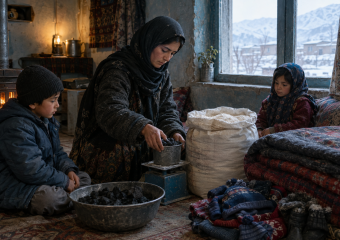
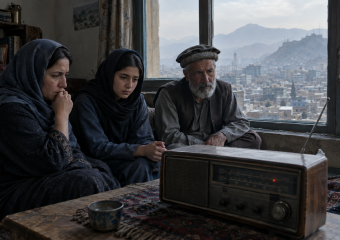
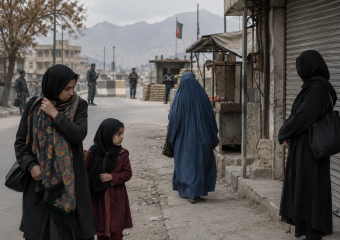
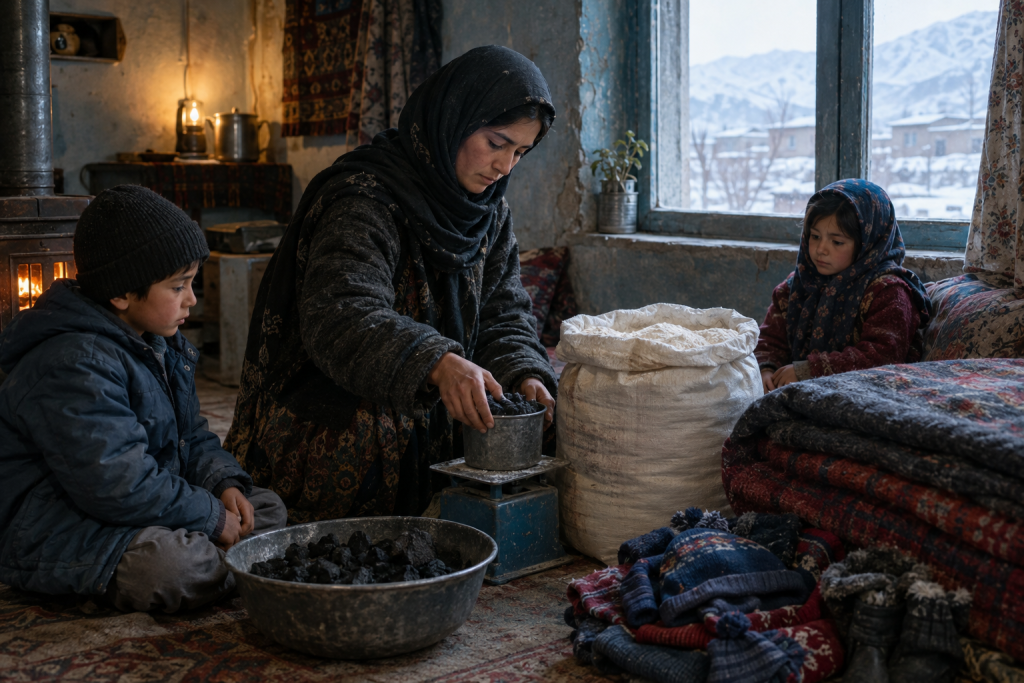
Child marriage remains a serious social and human rights concern in Afghanistan. Economic hardship, limited access to education, social traditions, and inadequate support can place girls at risk of marrying before the age of 18. Early marriage can have lasting consequences for their education, health, personal development, and future opportunities.
According to UNICEF Afghanistan, 28.7% of women aged 20–24 had married before the age of 18, based on data from the Afghanistan Multiple Indicator Cluster Survey (MICS) 2022–2023. In some areas, the reported rate reached one in two girls. These figures reflect the survey period and should not be interpreted as the exact rate for 2026.

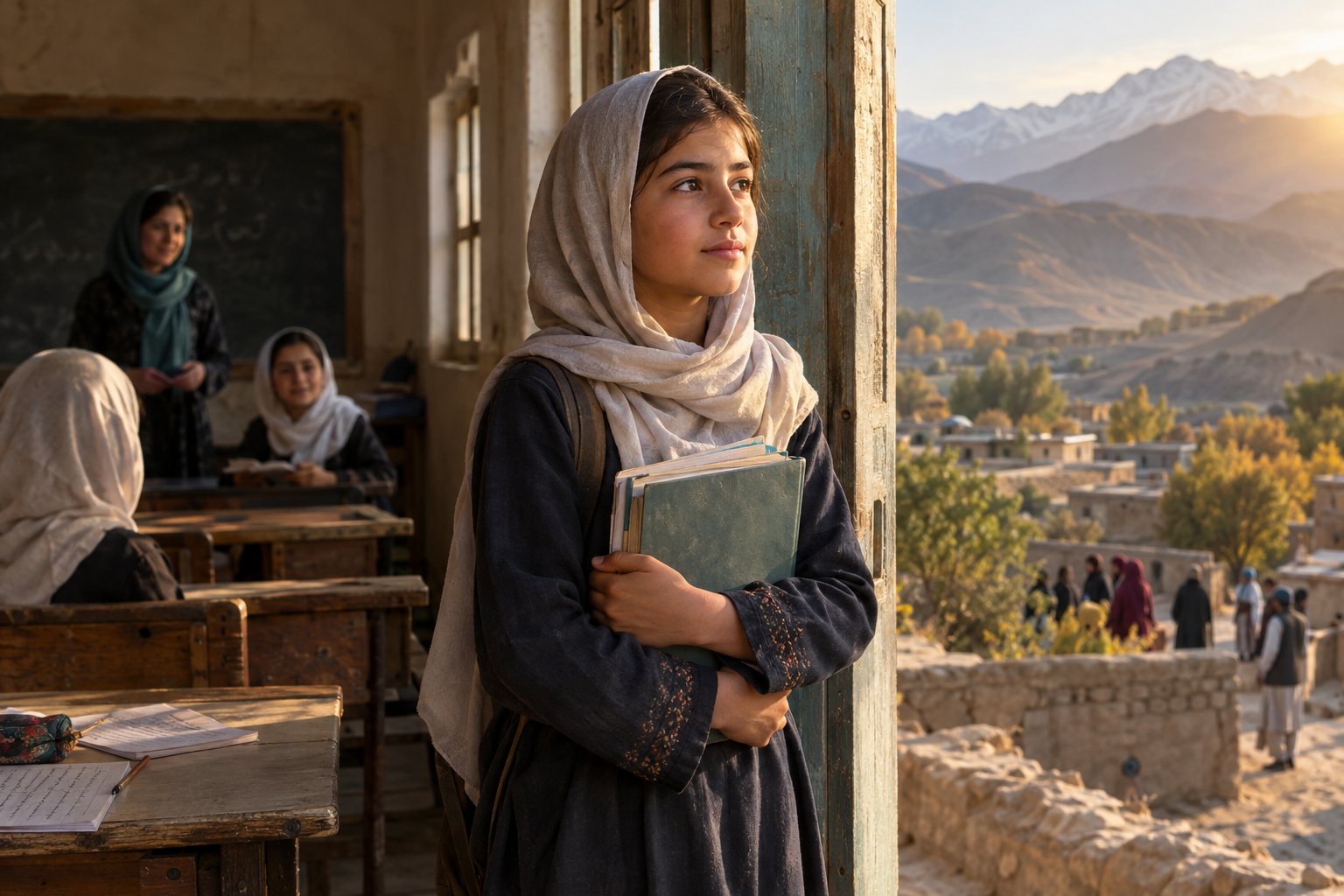
Restrictions on girls’ access to education beyond grade six, combined with economic difficulties faced by many families, have increased concerns about the future of Afghan girls. Early marriage can interrupt education, limit personal independence, and expose girls to health and social challenges for which they may not be prepared.
Experts and child-protection organizations emphasize the importance of expanding access to education, providing economic support to vulnerable families, and protecting girls’ rights to participate in decisions about their own futures.
Addressing child marriage re

quires cooperation among families, communities, local leaders, and relevant organizations. Every girl deserves the opportunity to learn, grow, enjoy her childhood, and build a future based on her abilities and aspirations.
Sources

UNICEF Afghanistan: End Child Marriage, Invest in Girls, Protect Their Futures — 11 October 2026.
UNICEF Afghanistan: Afghanistan Multiple Indicator Cluster Survey (MICS) 2022–2023.