
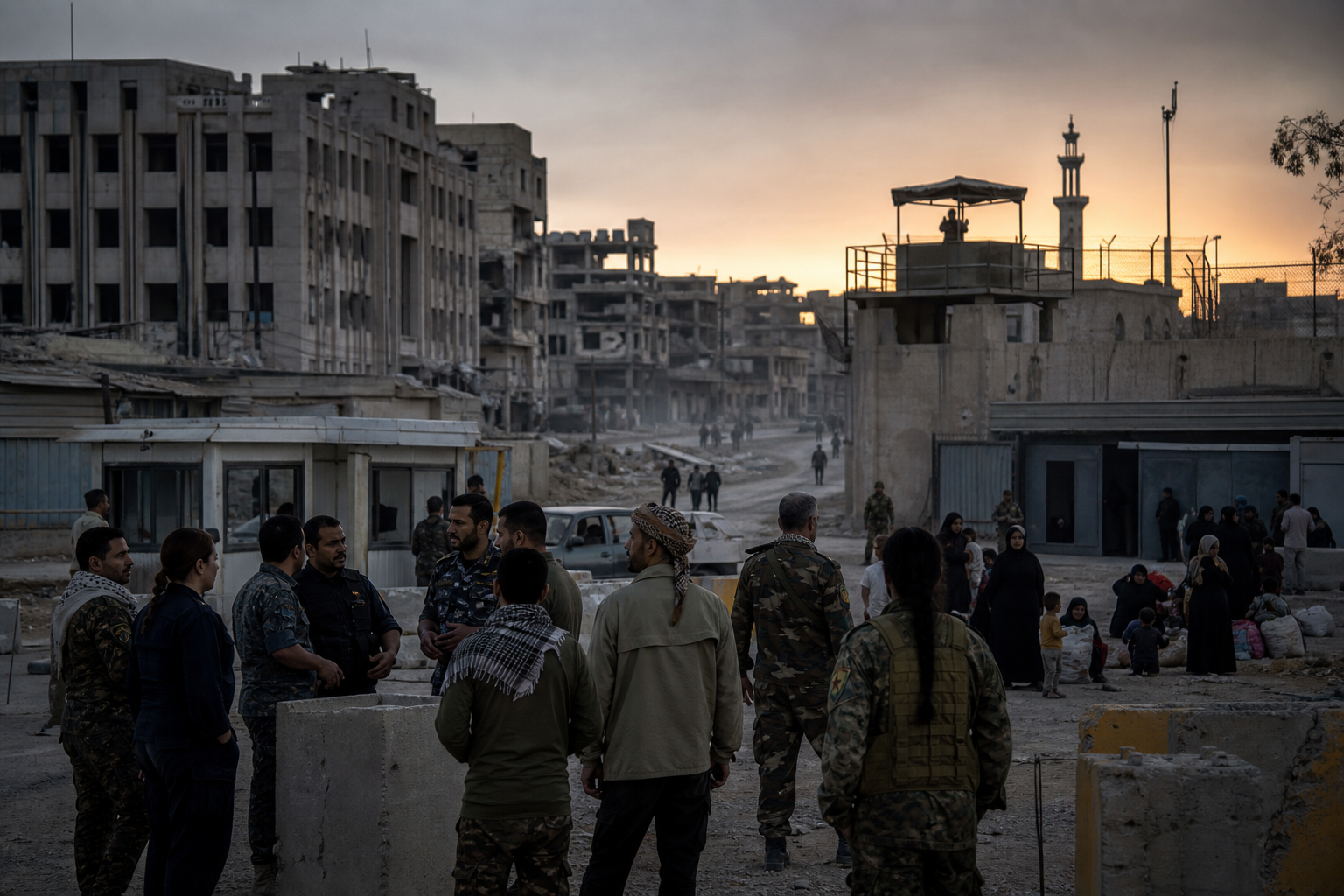
The fall of Bashar al-Assad’s government reshaped Syria’s security environment without eliminating ISIS. The group has shifted from territorial control to small-cell operations and attacks on transitional government institutions, exploiting political tensions, weak security and gaps in state authority. Syria’s integration of Read More
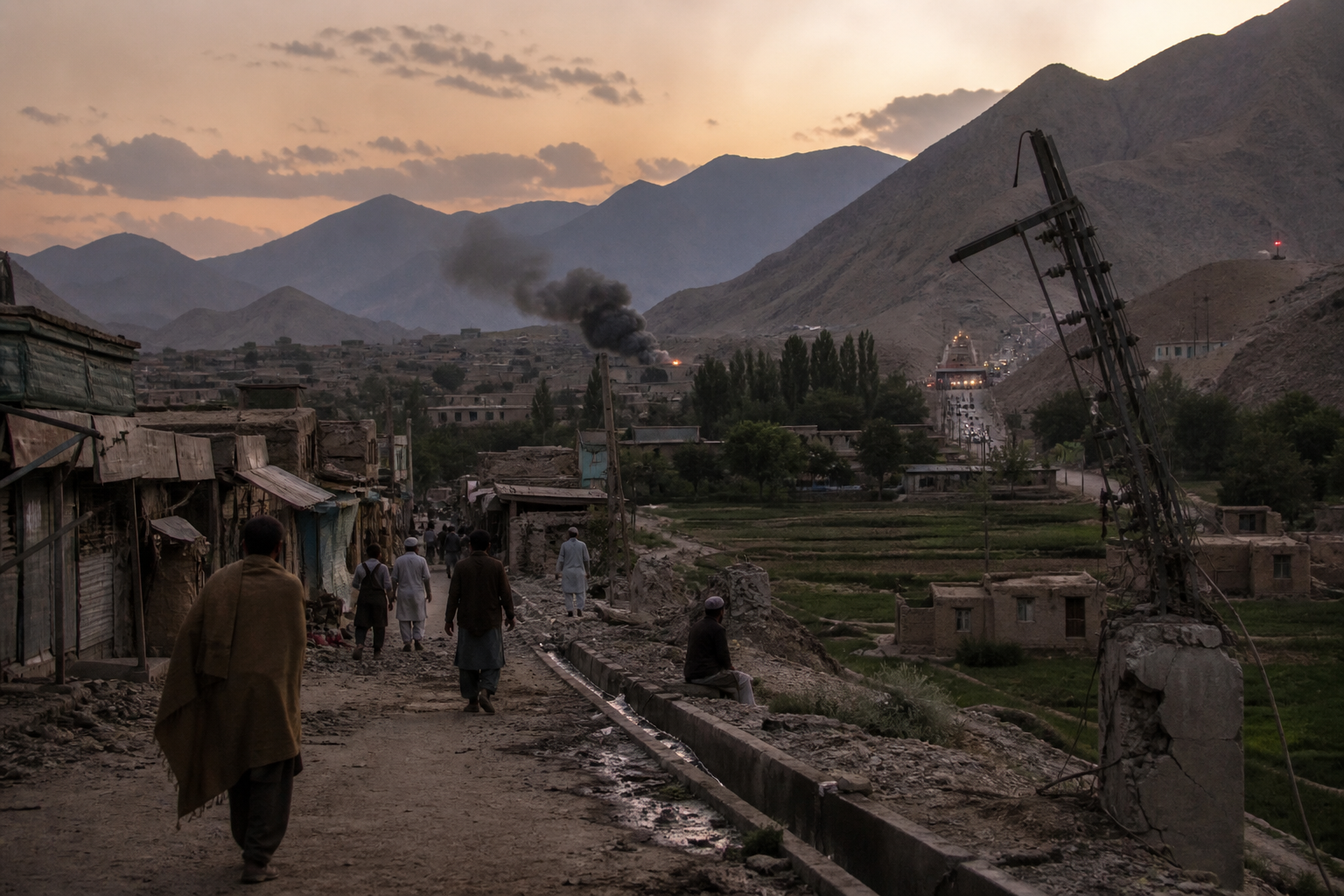
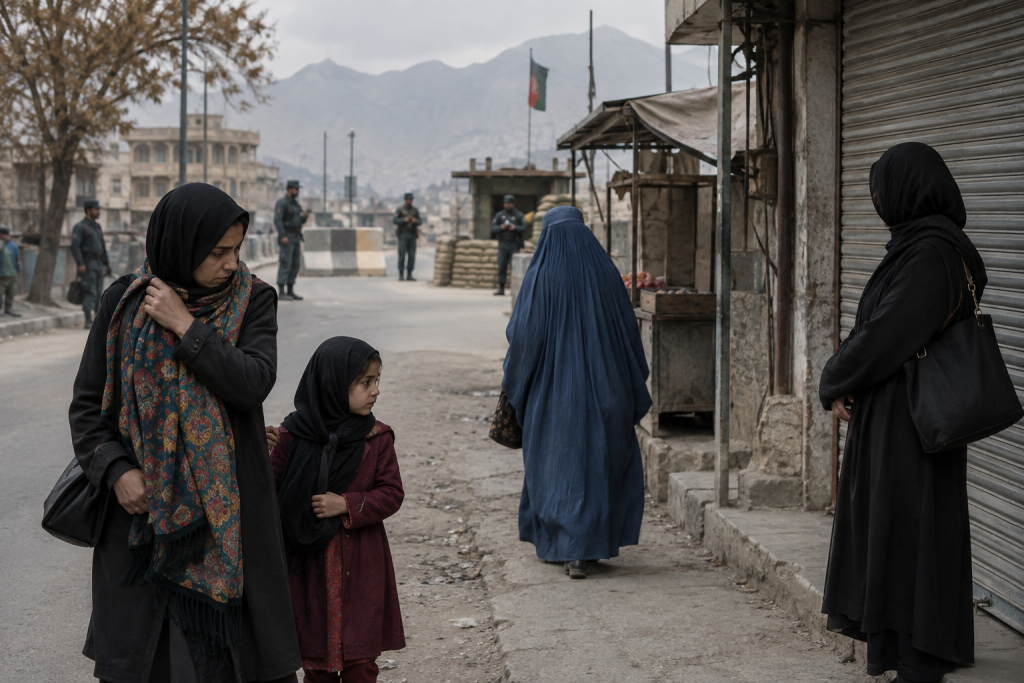
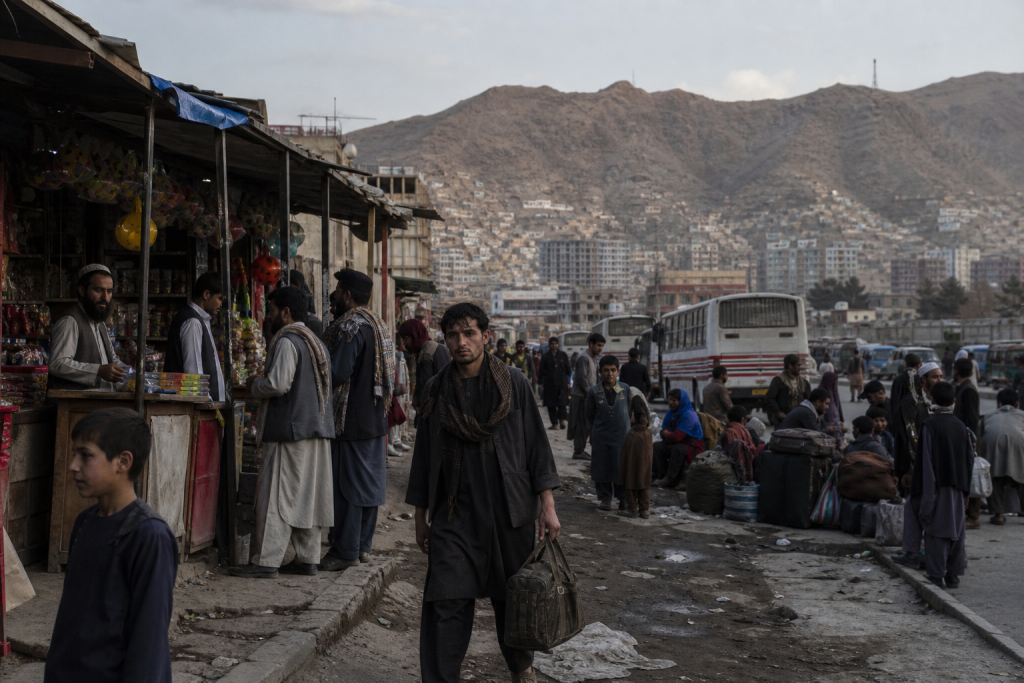
Afghanistan retains broad territorial stability under Taliban control, but localized violence persists. A United Nations report recorded 88 attacks by armed opposition groups across 21 provinces from May to July, while ACLED reported increased political violence in parts of Badakhshan and Herat. Read More
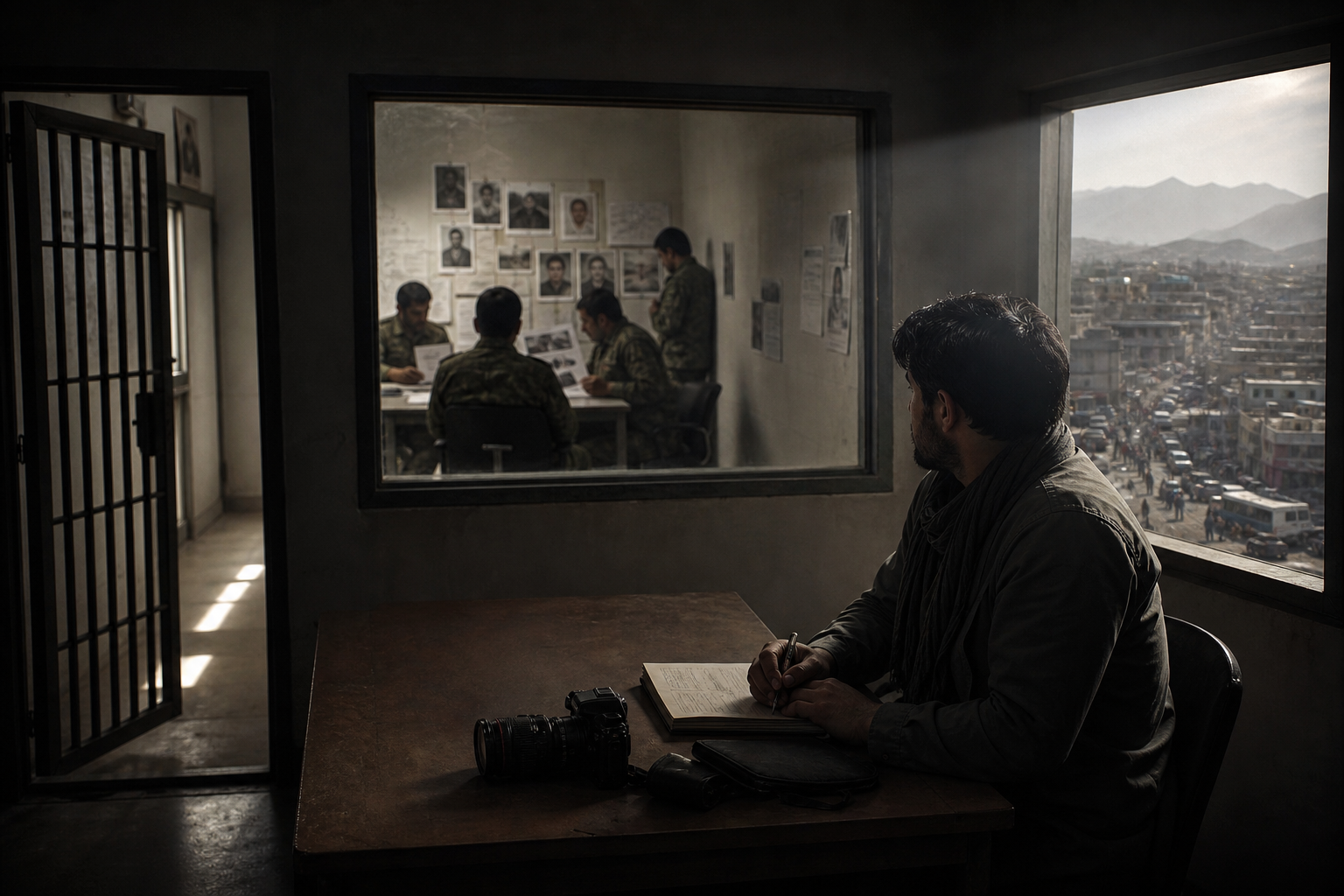
The General Directorate of Intelligence (GDI) is the Taliban authorities’ primary intelligence and security agency. Since 2021, it has gathered information on security threats and investigated opposition, while also becoming central to monitoring criticism and controlling independent media. Human Rights Watch has Read More
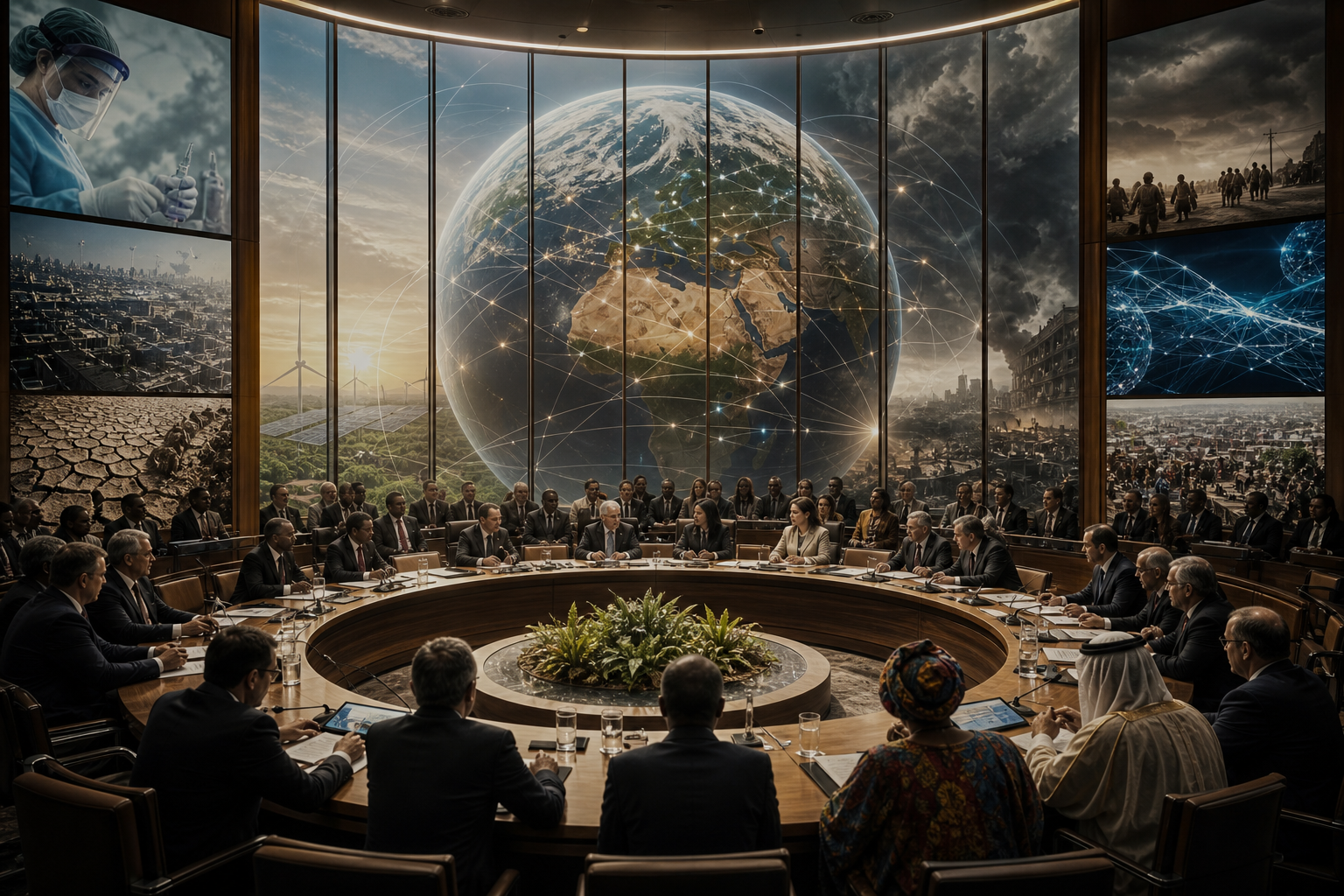
Global leaders at the United Nations have underscored the vital importance of multilateral cooperation to address interconnected worldwide crises. Amid calls for structural reforms, member states emphasized that strengthening international institutions remains essential for global stability and collective problem-solving.