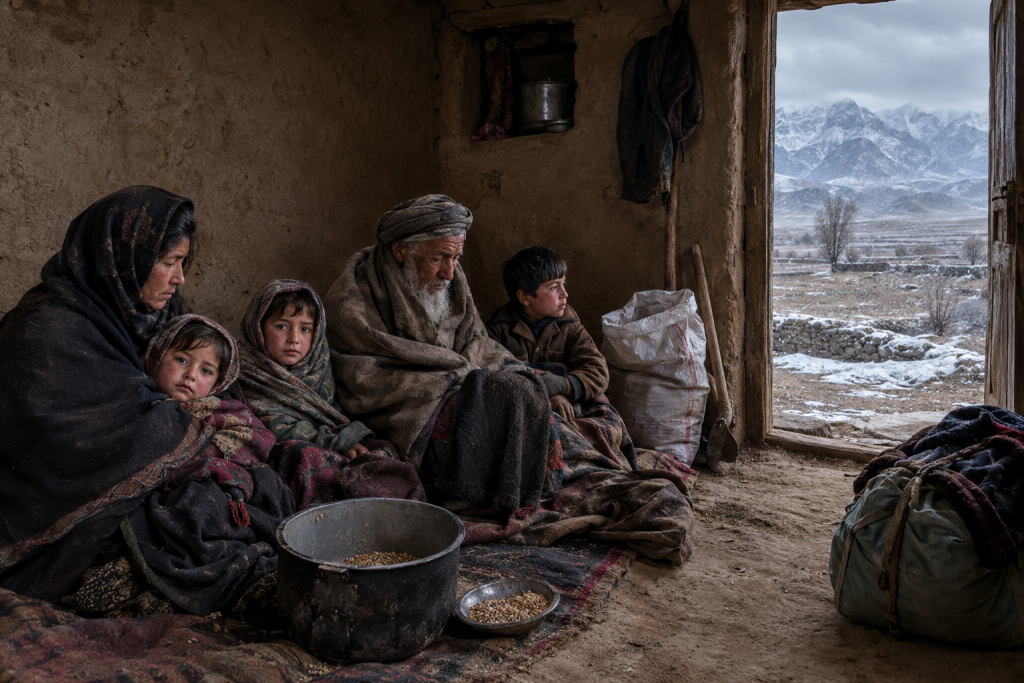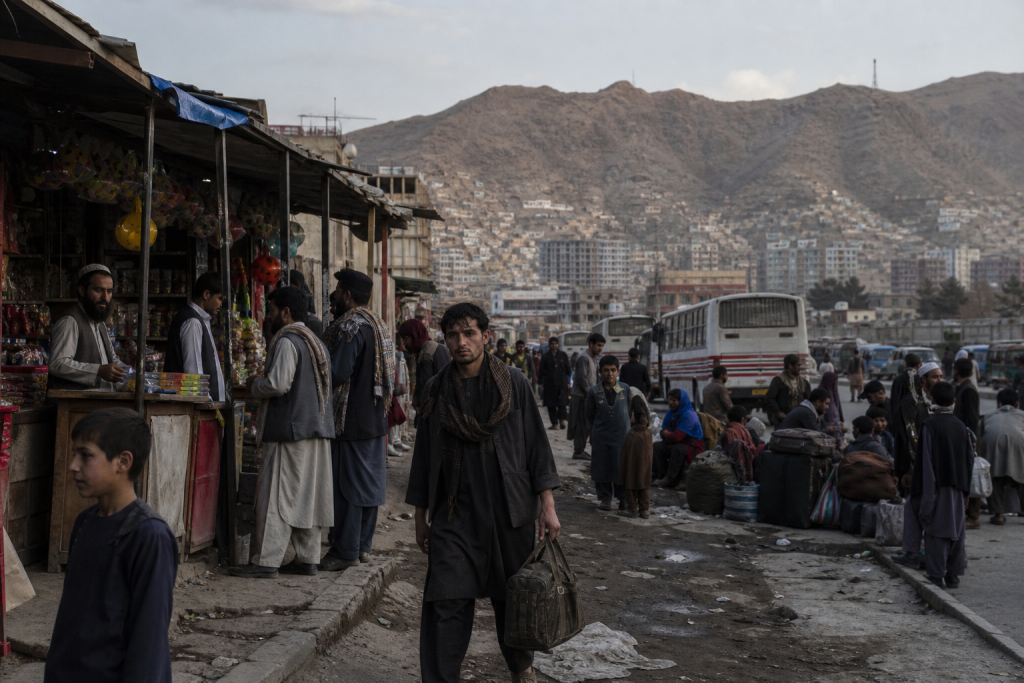

Afghanistan retains broad territorial stability under Taliban control, but localized violence persists. A United Nations report recorded 88 attacks by armed opposition groups across 21 provinces from May to July, while ACLED reported increased political violence in parts of Badakhshan and Herat. Read More
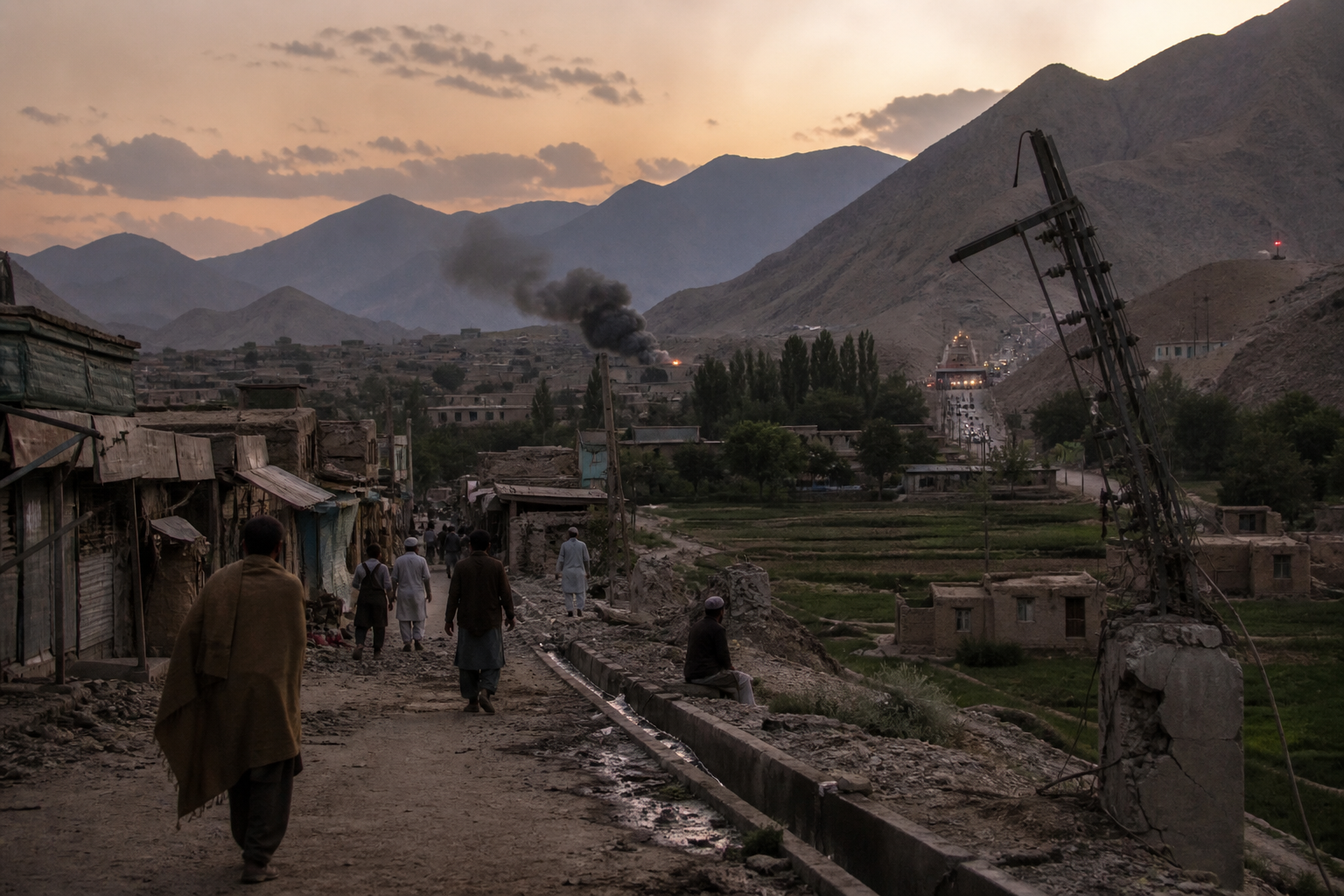
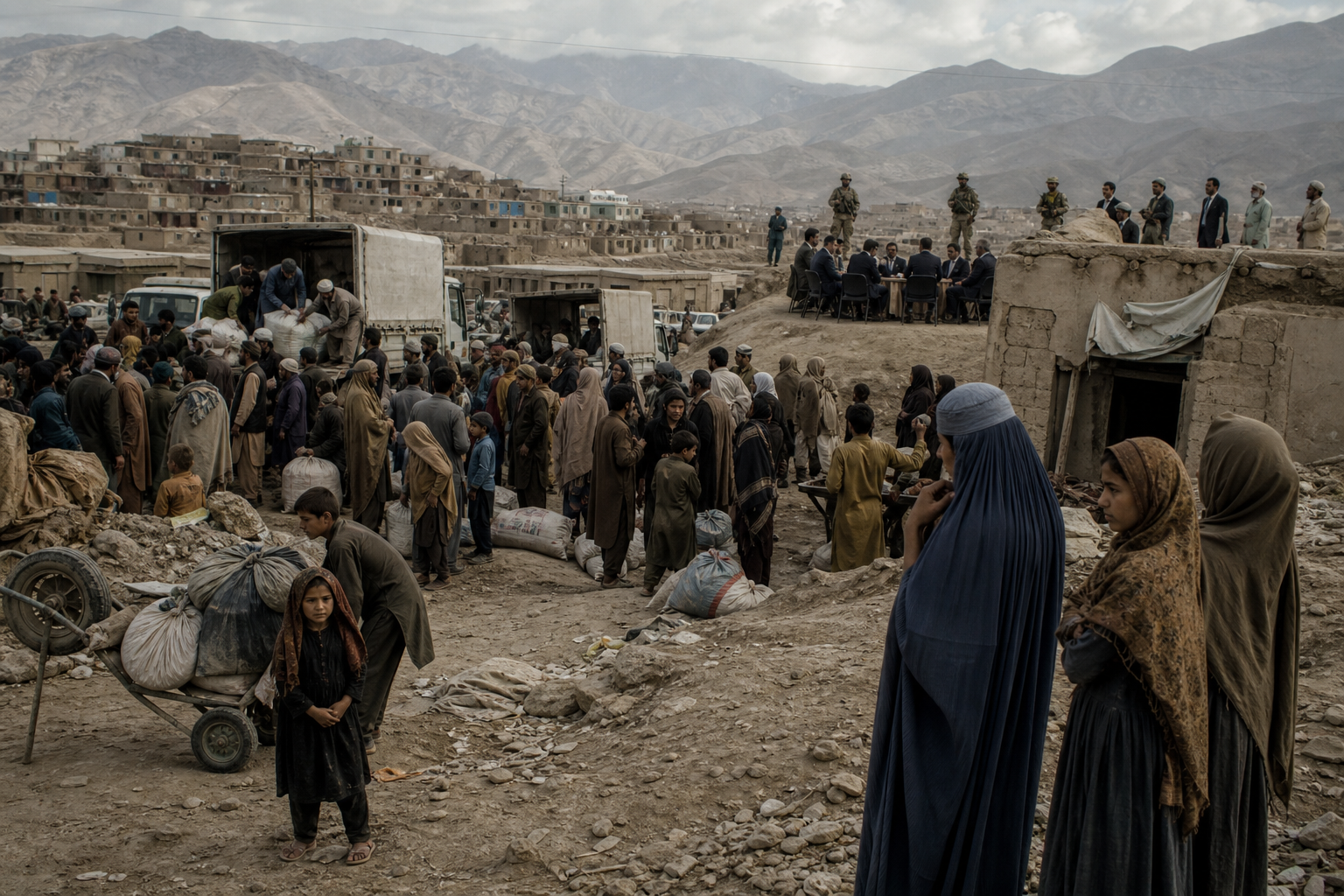
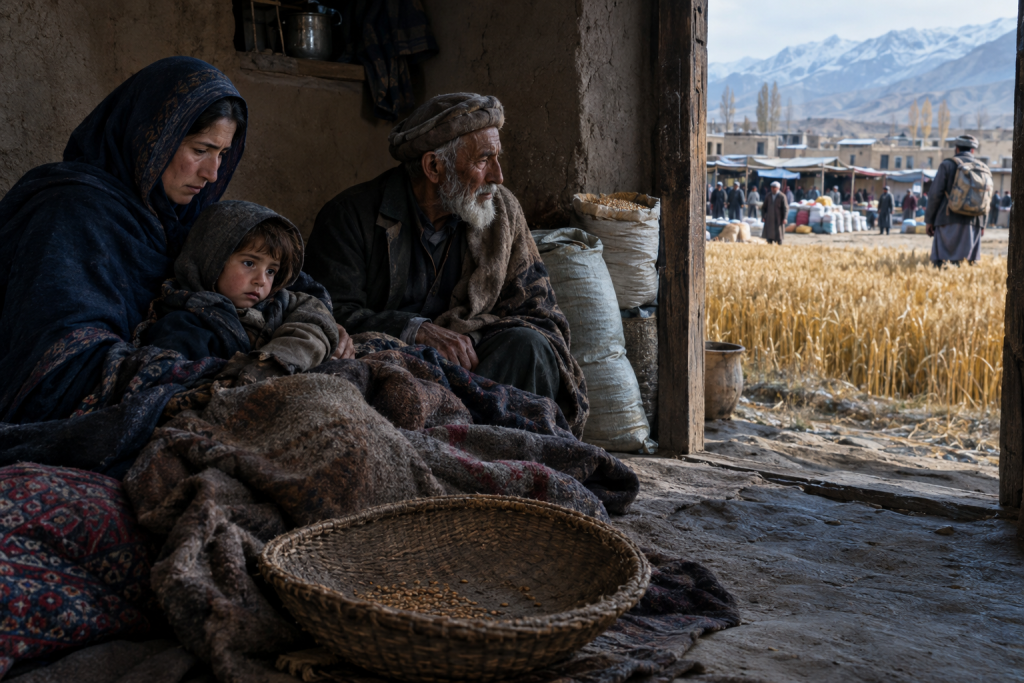
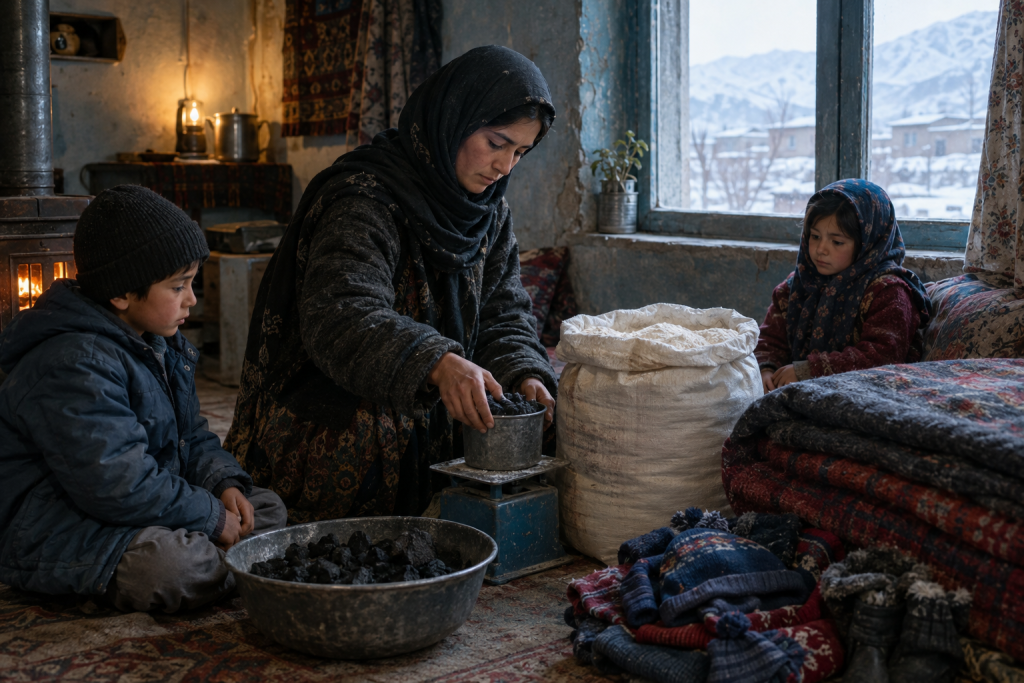
A UN assessment submitted to the Security Council on September 9, 2026, says Afghanistan faces interconnected humanitarian, economic, human rights and security pressures. More than 21 million people need assistance, funding is insufficient, and returns from neighboring countries are straining communities and Read More
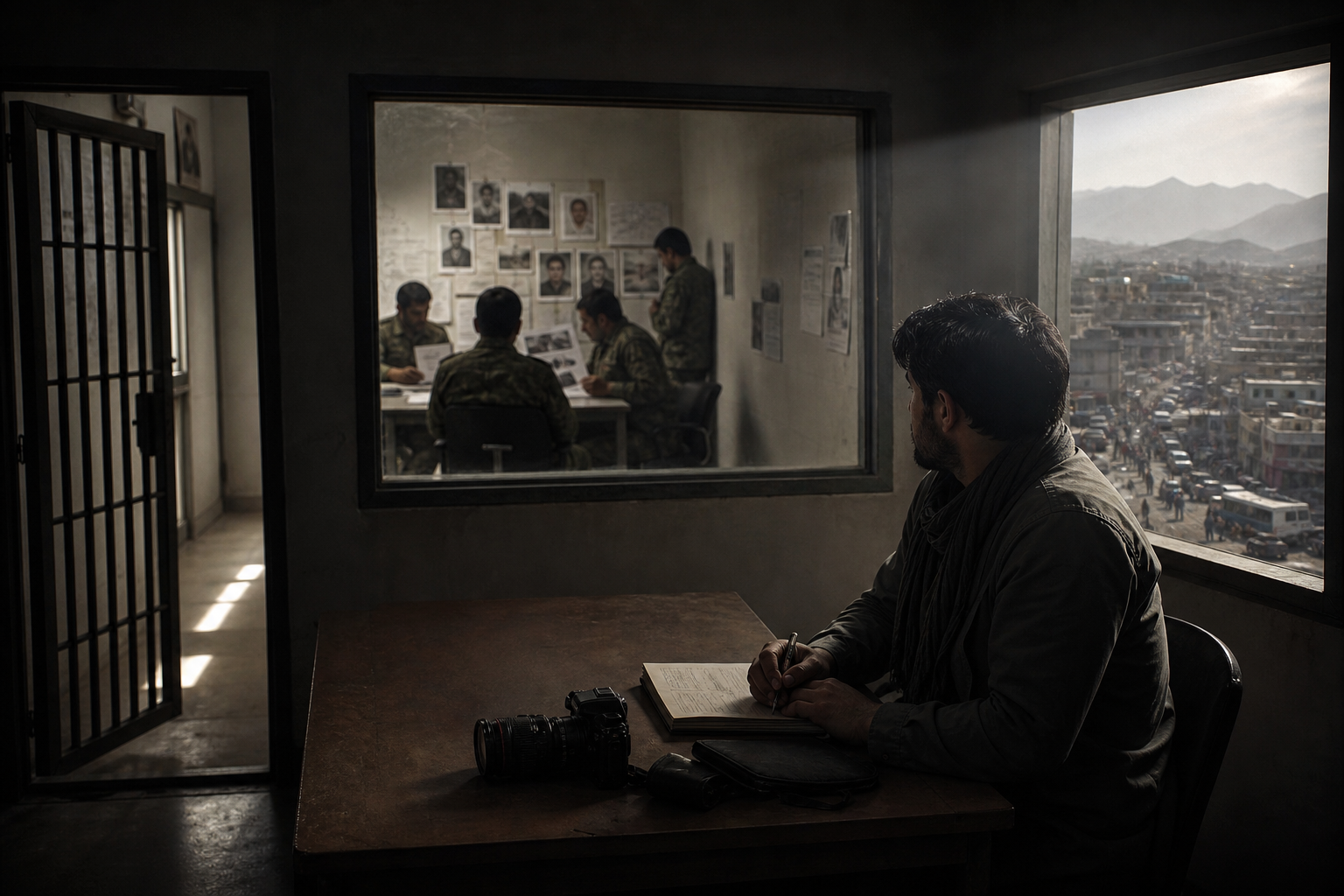
The General Directorate of Intelligence (GDI) is the Taliban authorities’ primary intelligence and security agency. Since 2021, it has gathered information on security threats and investigated opposition, while also becoming central to monitoring criticism and controlling independent media. Human Rights Watch has Read More
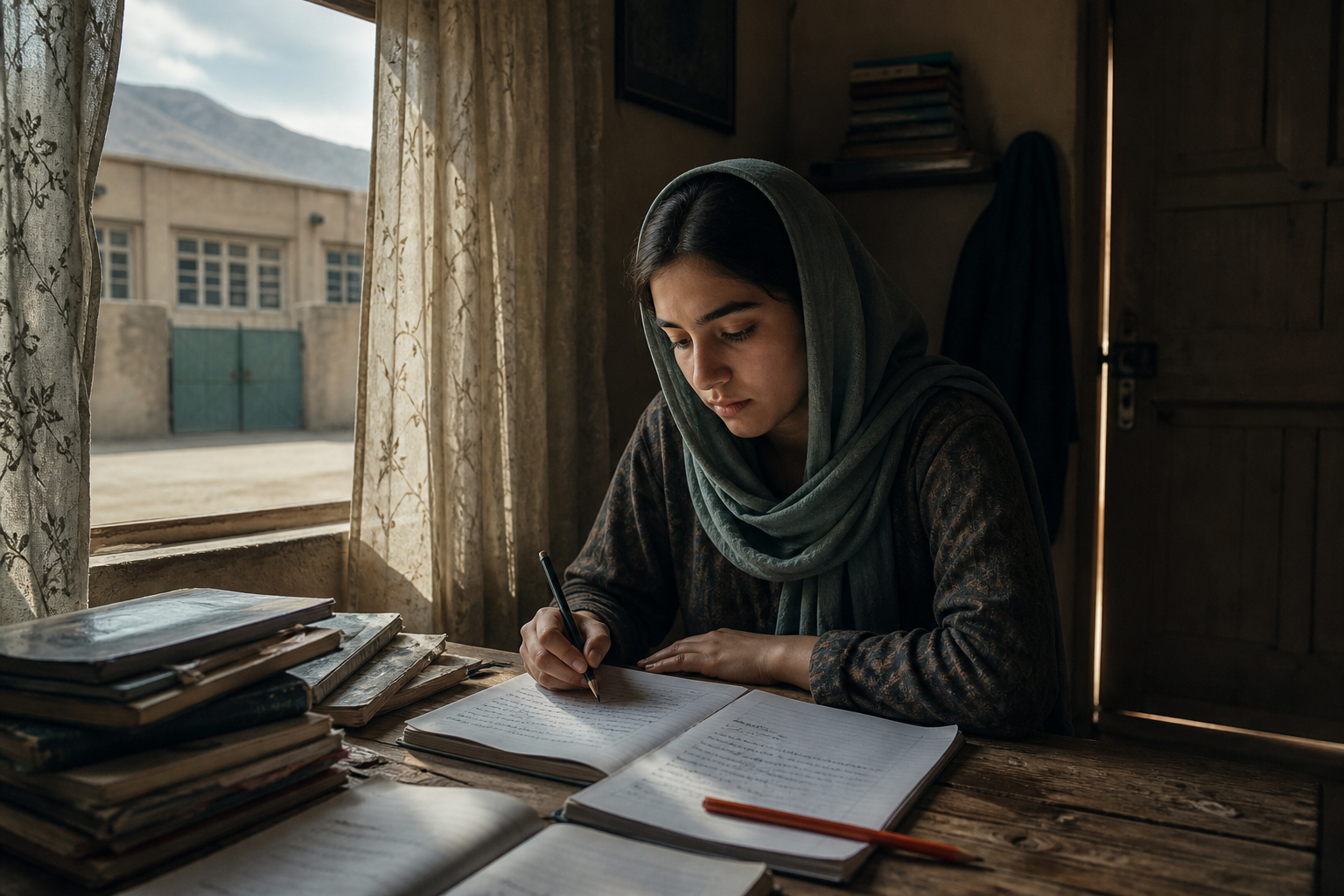
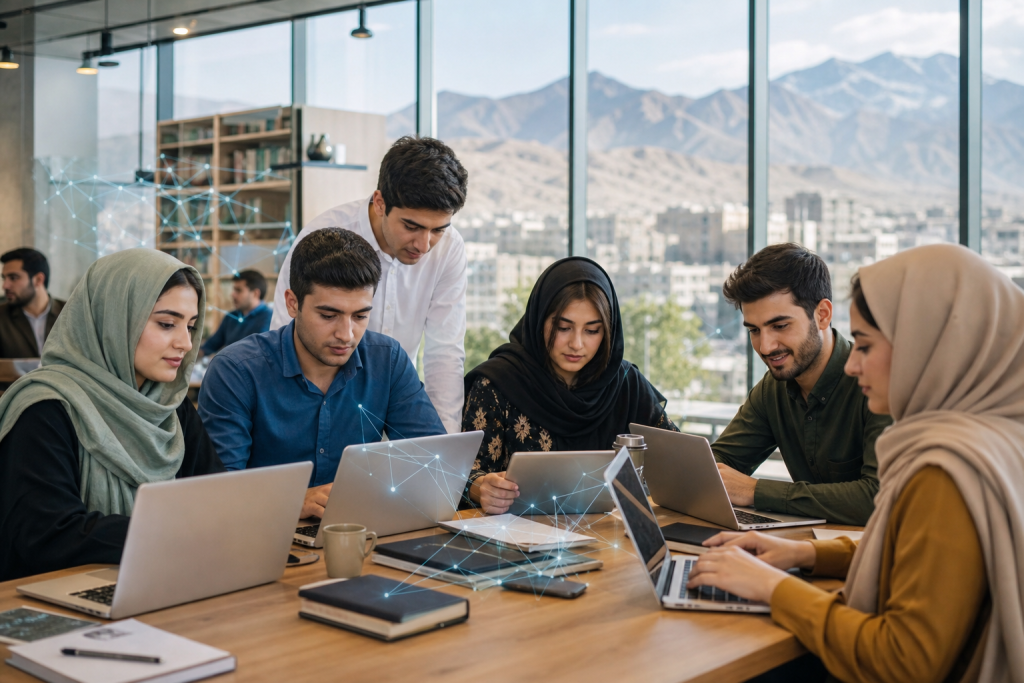
Since 2021, Afghan girls have been barred from secondary education, while women have been excluded from universities since 2022. Restrictions also limit women’s movement, employment, public participation and access to public spaces, leaving many girls dependent on informal or hidden educational opportunities. Read More