
Afghan Girls Are Living in Their Own Country Like Hidden Citizens Under Taliban Rule
Since 2021, Afghan girls have been barred from secondary education, while women have been excluded from universities since 2022. Restrictions also limit women’s movement, employment, public participation and access to public spaces, leaving many girls dependent on informal or hidden educational opportunities.
The restrictions affect Afghanistan’s future by limiting girls’ preparation for professional life and reducing the potential number of women teachers and health workers. The content considers how excluding a generation from education, work and public life could carry significant social and economic consequences.
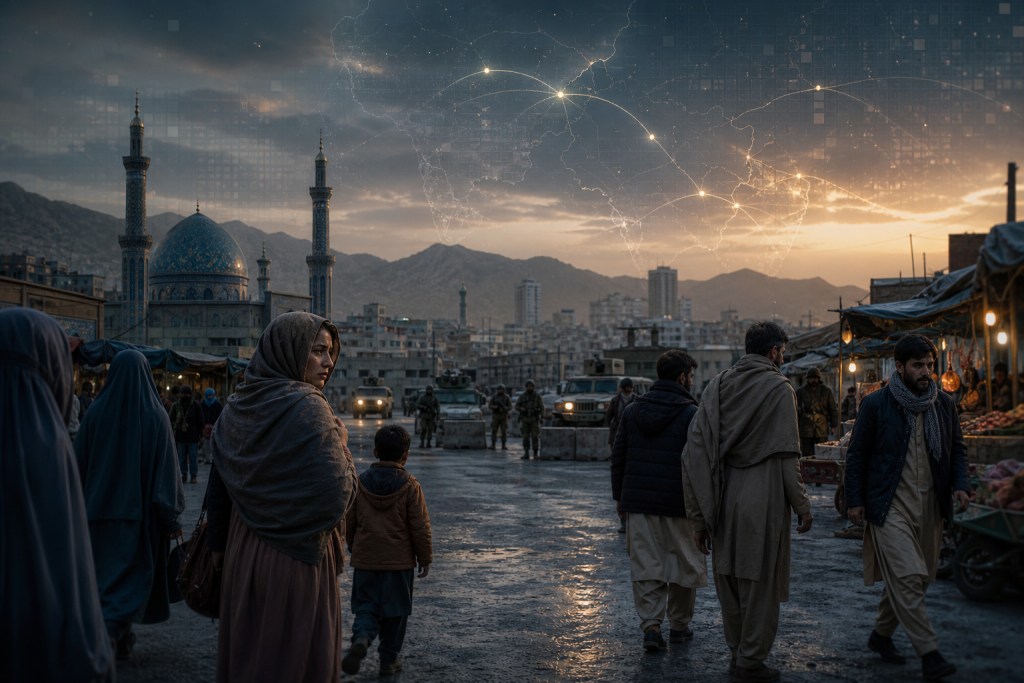
For millions of Afghan girls, life under Taliban rule has increasingly become a life defined by restrictions, silence and limited opportunities. Girls are growing up in their own country while being pushed away from classrooms, workplaces and many parts of public life.
Since September 2021, girls in Afghanistan have been prevented from continuing their education beyond Grade 6. Women have also been excluded from university education since December 2022. According to UNICEF, more than 2.6 million girls have been denied secondary education since 2021, making Afghanistan the only country in the world where secondary and higher education is effectively closed to girls and women.

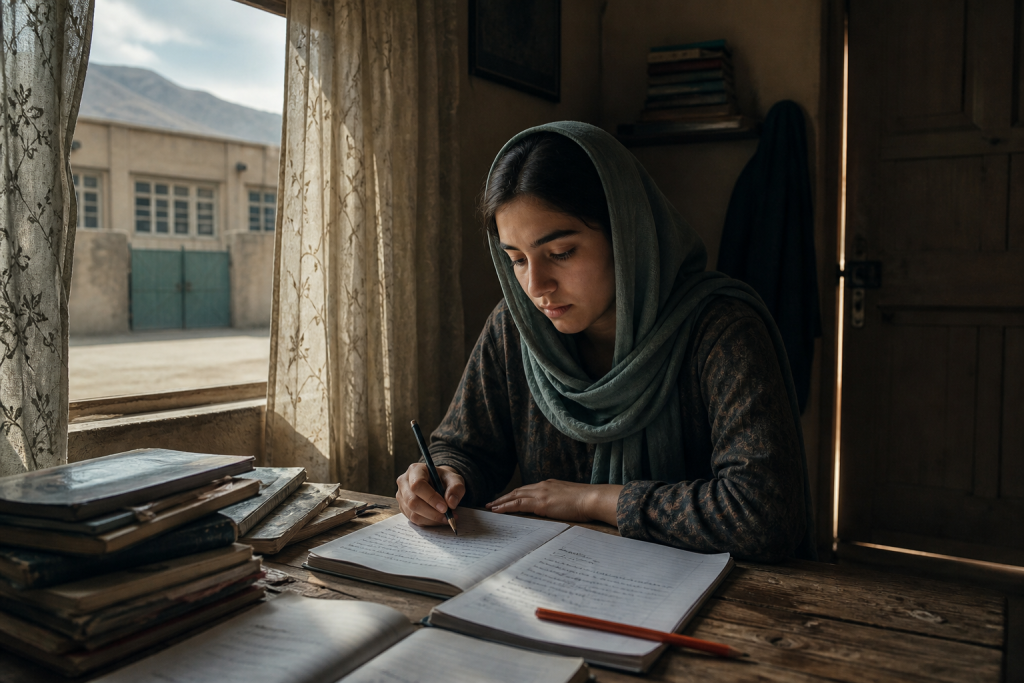
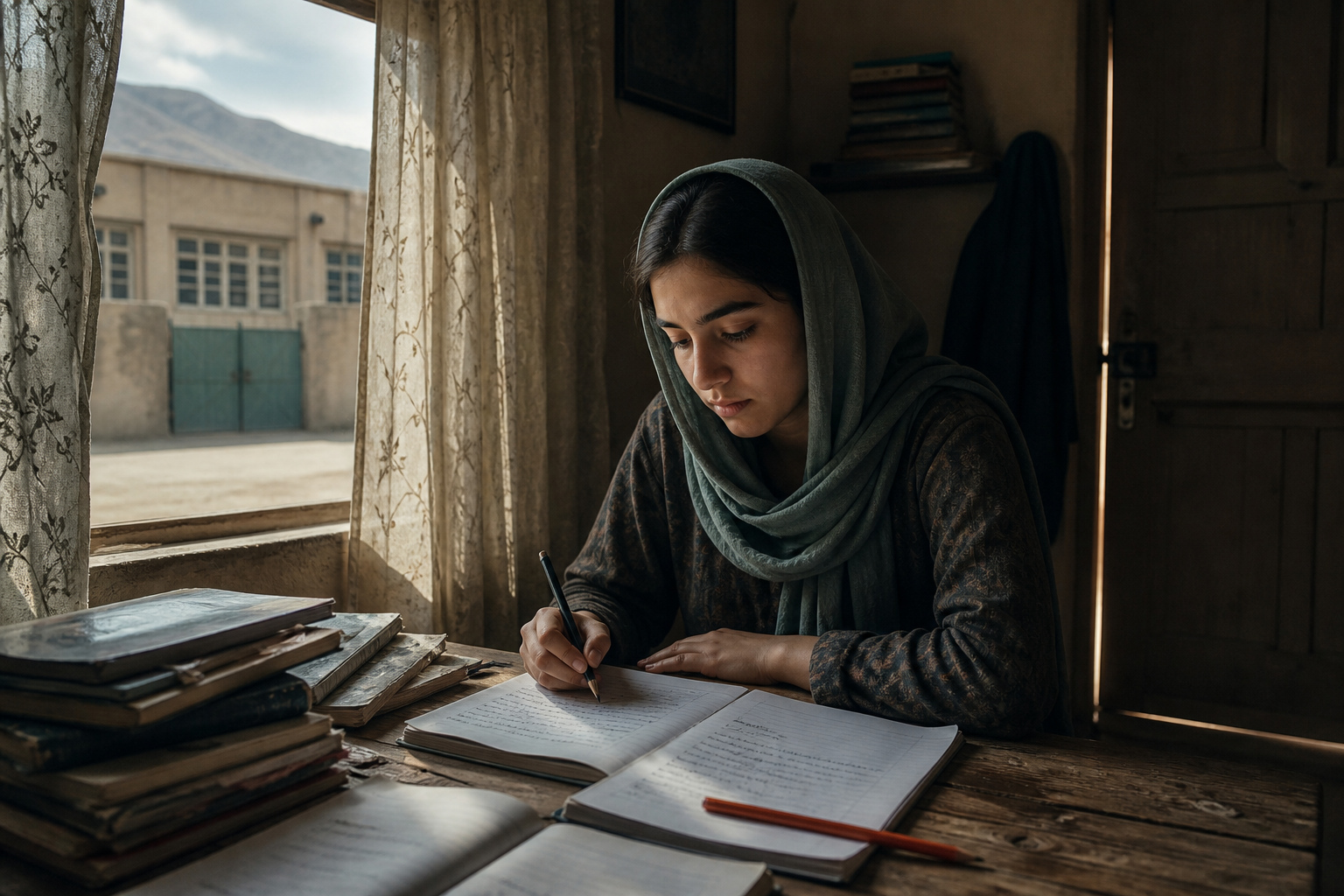
When formal education is closed, girls who still want to learn have had to look for alternative ways to continue studying. Community-based learning and other informal educational opportunities have become important for some children, while some girls and families seek ways to continue education outside the formal system.
This creates a painful contradiction: girls are citizens of Afghanistan, but many cannot participate in the ordinary educational and professional systems that shape the country’s future.
The restrictions also affect more than education. Afghan women and girls face extensive limitations on movement, employment, public participation and access to public spaces. These restrictions have made many girls increasingly dependent on private, informal or hidden spaces to pursue education and maintain their hopes for the future.
The consequences are not limited to today’s students. UNICEF estimates that Afghanistan could lose thousands of women teachers and female health workers if current restrictions continue. Restrictions on women’s education and employment also carry significant economic costs for the country.

For Afghan girls, the issue is therefore bigger than access to a classroom. It is about whether they can participate openly in the society where they were born.
A country cannot fully develop while a large part of its young population is prevented from learning and preparing for the future. Afghan girls continue to demonstrate a desire to study and build their lives, but the formal pathways available to them remain severely restricted.
The growing use of informal and hidden educational pathways reflects a broader reality:
when opportunities disappear from public life, people search for alternative ways to preserve their hopes.
For Afghanistan, the question is no longer only how many girls are out of school. It is what kind of country will emerge when an entire generation of girls grows up without equal access to education, work and public life.