
Rising Fertilizer Prices Put Afghanistan’s 2027 Wheat Harvest at Risk
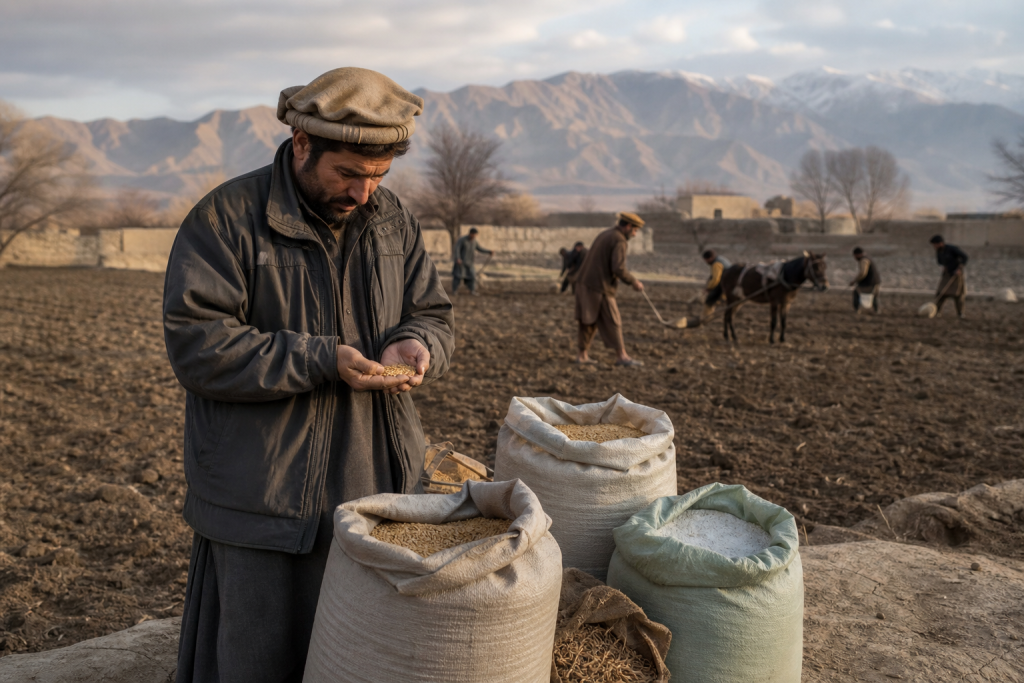
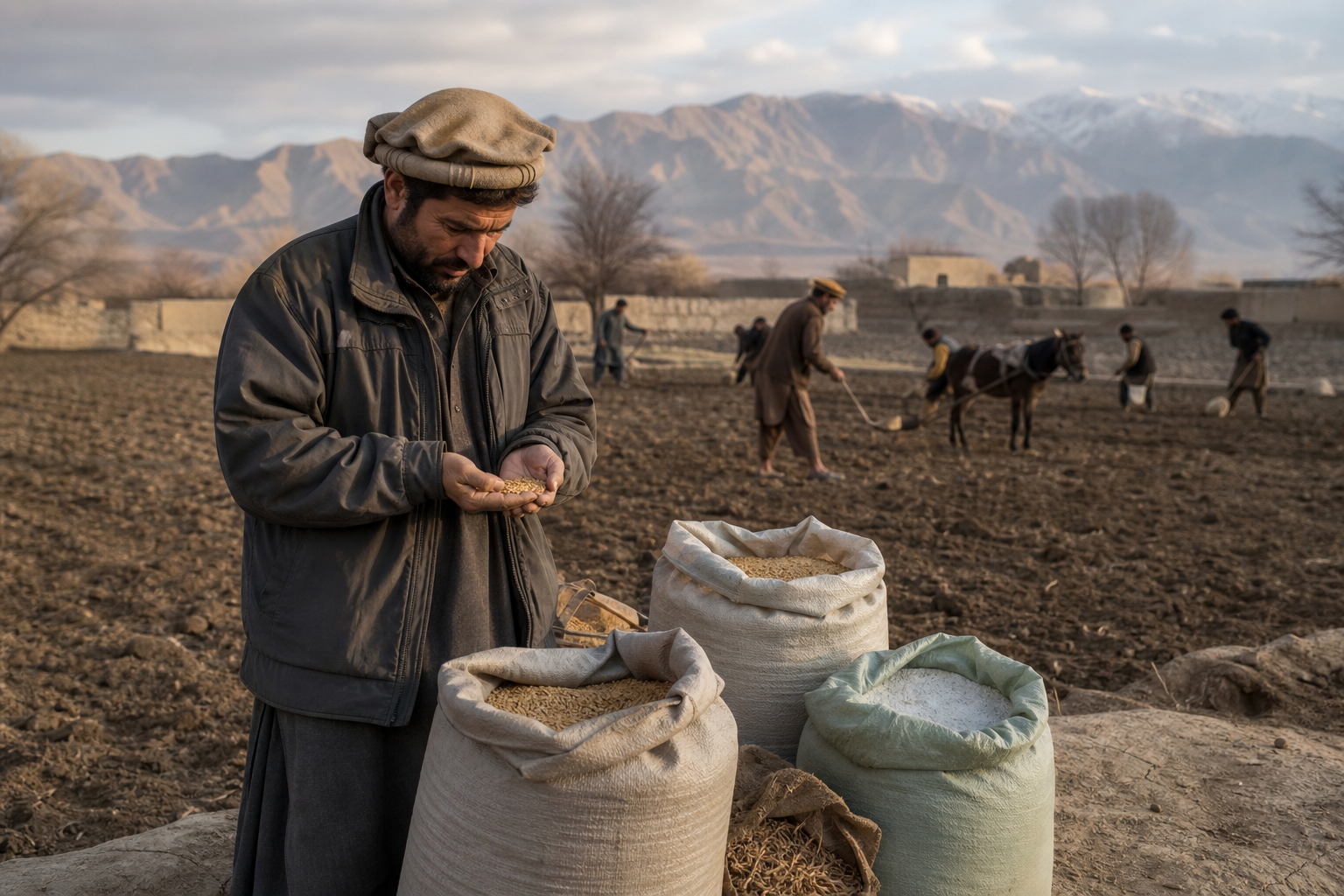
Rising fertilizer prices are threatening Afghanistan’s 2027 wheat harvest as farmers prepare for winter planting. The FAO is seeking $38.3 million to help up to 600,000 farming households purchase fertilizer and certified wheat seed before the planting window closes.
The crisis is driven mainly by affordability rather than a lack of fertilizer. Reduced input use or smaller planting areas could lower wheat production, worsening food insecurity and affecting food prices, rural incomes and employment in a country where most people rely on agriculture.
Afghanistan is facing a new challenge to its food security as rising fertilizer prices threaten the country’s 2027 wheat harvest. The warning comes at a critical time, with farmers preparing for the winter wheat planting season.
The Food and Agriculture Organization of the United Nations (FAO) has called for $38.3 million in urgent support to help up to 600,000 farming households obtain fertilizer and certified wheat seed before the planting window closes.
Wheat is Afghanistan’s most important staple crop, and winter wheat accounts for more than two-thirds of the country’s annual fertilizer demand. Many farmers depend on adequate fertilizer use to achieve productive harvests because much of Afghanistan’s soil has naturally low fertility.

The problem is not simply a shortage of fertilizer. FAO describes it primarily as an affordability crisis. Fertilizer remains available in markets, but higher prices are making it difficult for many small farmers to purchase the quantities they need. Some farmers may respond by using less fertilizer or planting smaller areas, potentially reducing future wheat production.
The latest FAO country assessment also shows that Afghanistan remains vulnerable to food insecurity.
About 13.8 million people were projected to face acute food insecurity between April and November 2026. Wheat flour prices in several markets were also 10 to 20 percent higher year-on-year in August 2026.
The pressure on farmers has wider economic consequences. Agriculture provides food and income for a large share of Afghanistan’s population, meaning higher production costs can affect not only farmers but also food prices, household incomes and rural employment. FAO estimates that about 80 percent of the population relies on agriculture for food and income.

There is also a timing problem. Farmers must make decisions about seed, fertilizer and the amount of land they can cultivate before the winter planting season. FAO has warned that support received too late may not prevent losses because the agricultural window is limited.
Afghanistan’s wheat outlook therefore depends on more than weather conditions. Even if rainfall and soil conditions remain favorable, farmers may struggle to take advantage of them if essential agricultural inputs become unaffordable.
Protecting the 2027 wheat harvest could help reduce future pressure on food supplies and humanitarian assistance. For Afghanistan, ensuring that farmers can afford to plant their fields may be as important as securing the harvest itself.