
After the Blast: Assessing Safety Failures and Supply Risks Following the Kyiv Depot Strike
Kyiv Depot Strike: Casualties, Evacuations and Questions About Safety Protocols
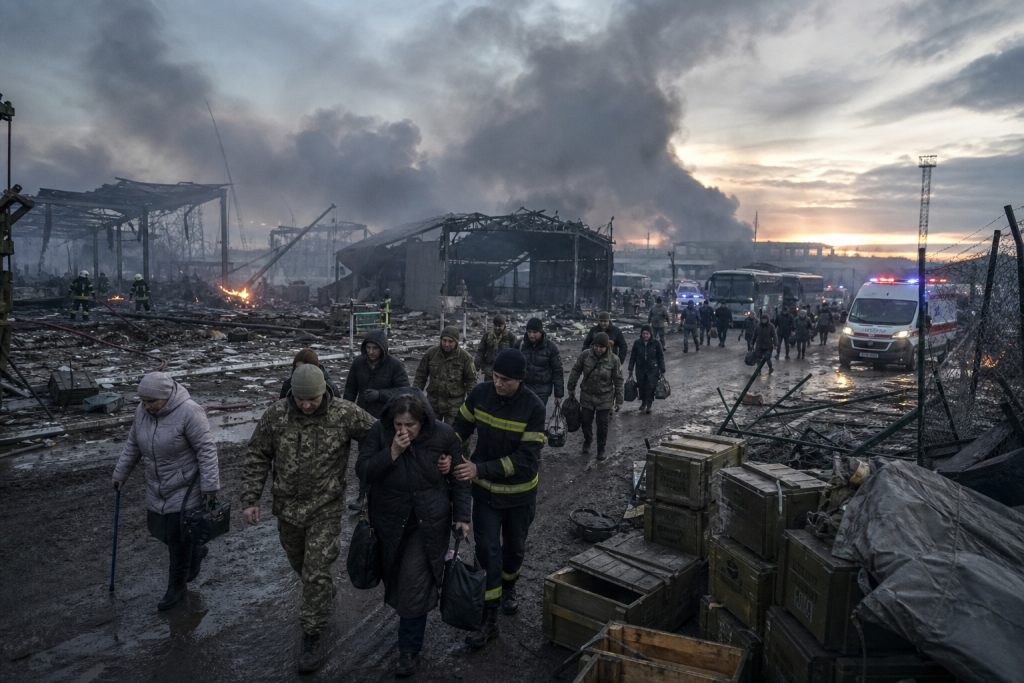
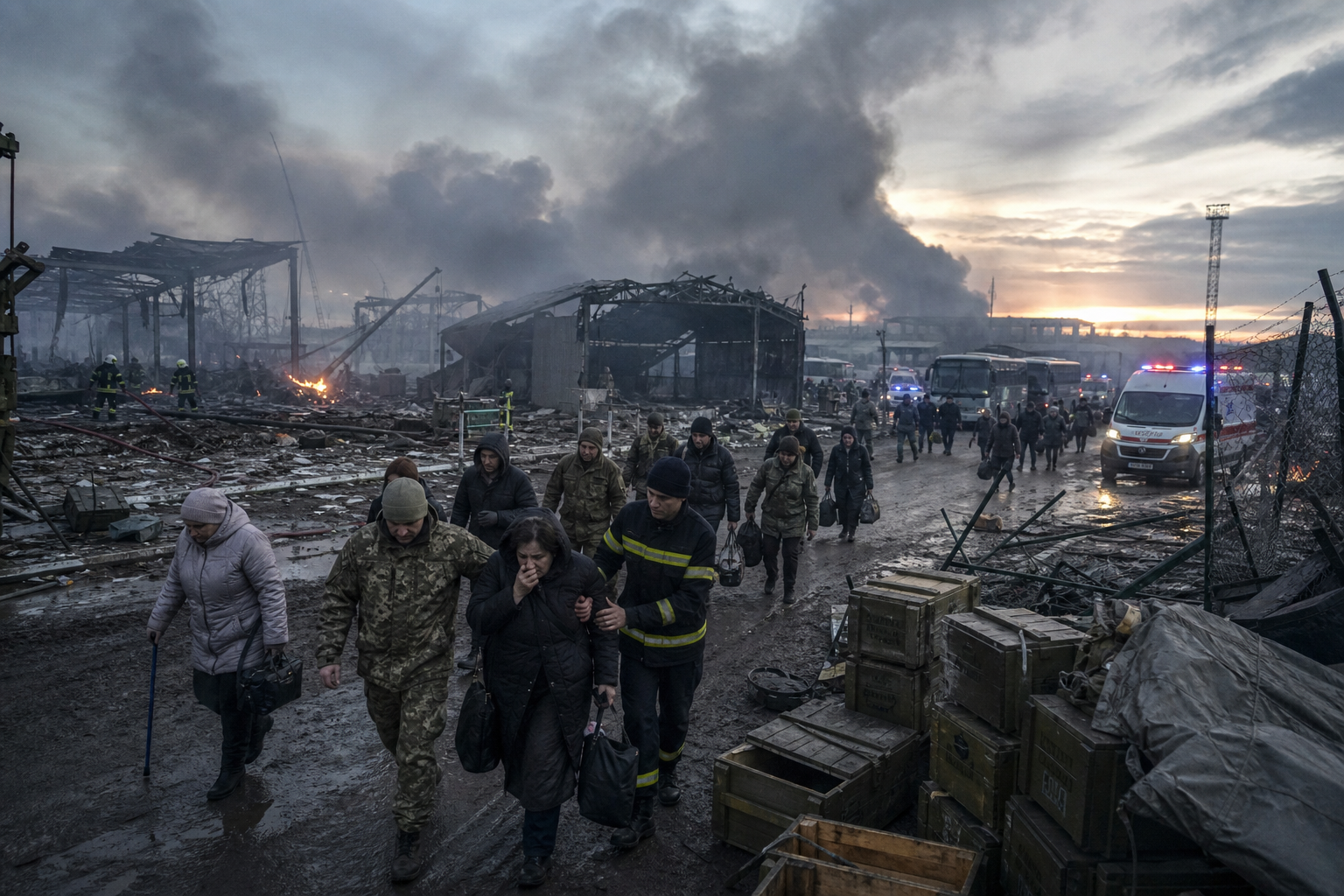
On August 29, 2026 The New York Times and the BBC reported that a strike on a weapons depot near Kyiv killed at least 37 people and forced hundreds to evacuate. Ukrainian authorities, as reported by The New York Times, blamed negligence for the incident; the BBC’s coverage corroborated casualty figures and the scale of displacement. These parallel reports create a factual basis to examine operational safety, the risks of munitions storage in conflict zones, and the wider implications for military logistics and civilian protection.
What the reporting confirms
The New York Times reported that 37 people were killed after a strike on a weapons depot and that Ukraine’s government attributed the incident in part to negligent handling or storage. The BBC reported similar casualty numbers and noted that hundreds were evacuated. Both outlets dated these reports to August 29, 2026. Those are the immediate, attributable facts available from international reporting.

Operational safety in conflict zones
Arms depots in active conflict zones are high-risk facilities. They store munitions whose accidental detonation can produce large blast radii and secondary explosions, posing acute danger to nearby personnel and civilians. The New York Times reported Ukrainian authorities’ assertion that negligence played a role—if confirmed, that raises questions about storage standards, inventory practices, and inspection regimes in wartime conditions.
Negligence allegations can stem from multiple causes: pressure to accelerate handling and distribution of materiel, shortages of trained ordnance personnel, degraded storage infrastructure due to previous damage, or breakdowns in command-and-control protocols. Independent technical assessments will be required to determine causation: whether the initial strike directly detonated unsafe munitions, whether improper segregation of stockpiles magnified the blast, or whether human error during handling precipitated secondary explosions.

Civilian risk and evacuation protocols
The BBC’s reporting that hundreds were evacuated highlights the human-security dimension. Dispersal of munitions storage away from population centers is a fundamental risk mitigation principle; when that is impossible due to geography or logistics, robust evacuation and early-warning systems become essential. The incident underscores the difficulty of protecting civilians and base personnel when high-value military facilities are targeted.
Evacuation outcomes also hinge on local preparedness and communications. Reports that large numbers were moved to safety suggest some emergency planning was in place; however, casualty figures indicate those measures were insufficient to prevent loss of life. For policymakers and military planners, this strike will likely prompt reviews of siting, hardened storage, inventory rotation and emergency medical capacity near depots.

Strategic and supply-chain implications
Beyond the immediate human toll, the destruction of a weapons depot can disrupt supply chains for front-line units. The New York Times’ reporting that Ukraine blamed negligence for the incident complicates the narrative: if negligence, rather than a pure enemy effect, contributed to munitions loss, then the combat readiness impact may be compounded by logistical shortfalls and reduced stock availability.
For international partners supplying materiel, such incidents raise questions about how to assist recipient forces in safe storage and handling. Donor nations often provide not just weapons but training and infrastructure support; this incident may sharpen calls for more comprehensive ordnance safety programs and for investment in hardened or dispersed storage solutions.
Accountability and transparency
Allegations of negligence demand transparent, independent investigation. Ukraine’s authorities have an interest in rapid clarification: to identify systemic failures, implement corrective measures, and maintain public trust. International donors and domestic constituencies will expect credible reporting on causes and planned remedies. The New York Times’ reporting of the negligence claim is a factual signal that such inquiries may follow.
What to watch next
Key next steps include official incident reports detailing sequence of events, forensic assessments of munition types and storage configurations, statements from military leadership on corrective measures, and any external audits by partner militaries or NGOs. Observers should also monitor how this affects frontline operational tempo and whether similar storage vulnerabilities exist elsewhere.
Conclusion
Reporting by The New York Times and the BBC on August 29, 2026 establishes a tragic, high-risk event with both immediate human consequences and broader implications for military logistics, civil protection and international assistance. The combination of confirmed casualties, mass evacuations, and official claims of negligence forms a factual basis for urgent technical investigation and policy response.