
Iran Warns of Retaliation as Gulf Tensions Rise
Iran has warned it will retaliate against any new U.S. attacks and may target energy infrastructure linked to U.S. companies if tensions escalate. The confrontation is centered on the Strait of Hormuz, where Iran plans to establish a restricted maritime zone.
Commercial traffic through the waterway has fallen sharply, contributing to rising oil prices and concerns about global energy supplies. Gulf states, including the United Arab Emirates, are developing alternative export routes as prolonged disruption could affect fuel costs, inflation and economic growth worldwide.
Iran has warned that it will retaliate against any new U.S. attacks as military tensions in the Gulf continue to threaten regional security and global energy supplies. Iranian officials have also warned that energy infrastructure connected to U.S. companies could become a target if the conflict escalates further.
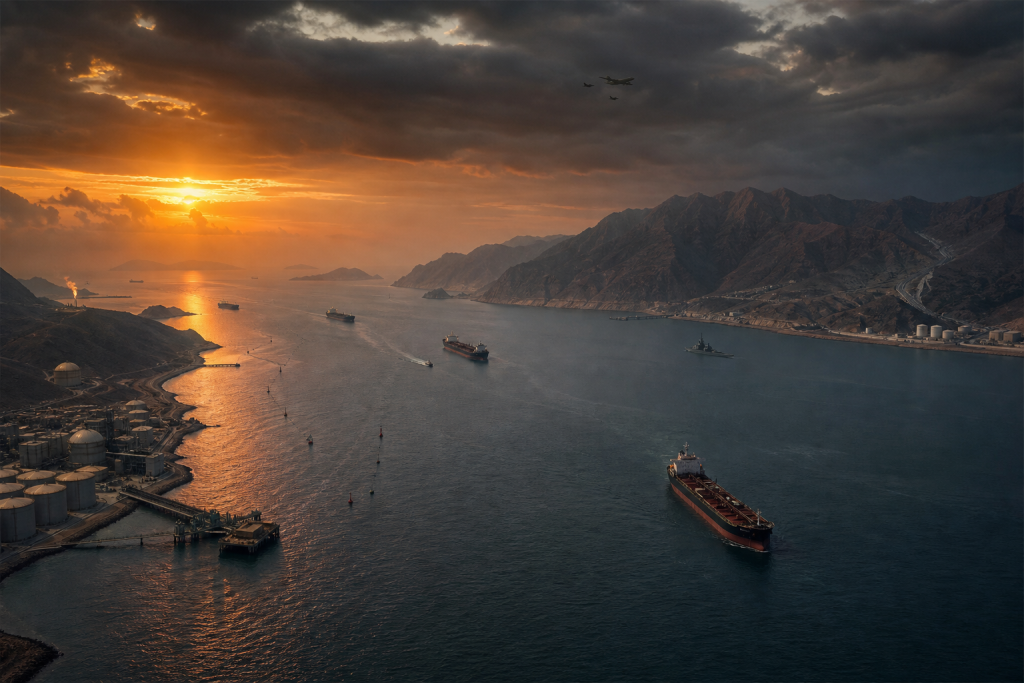
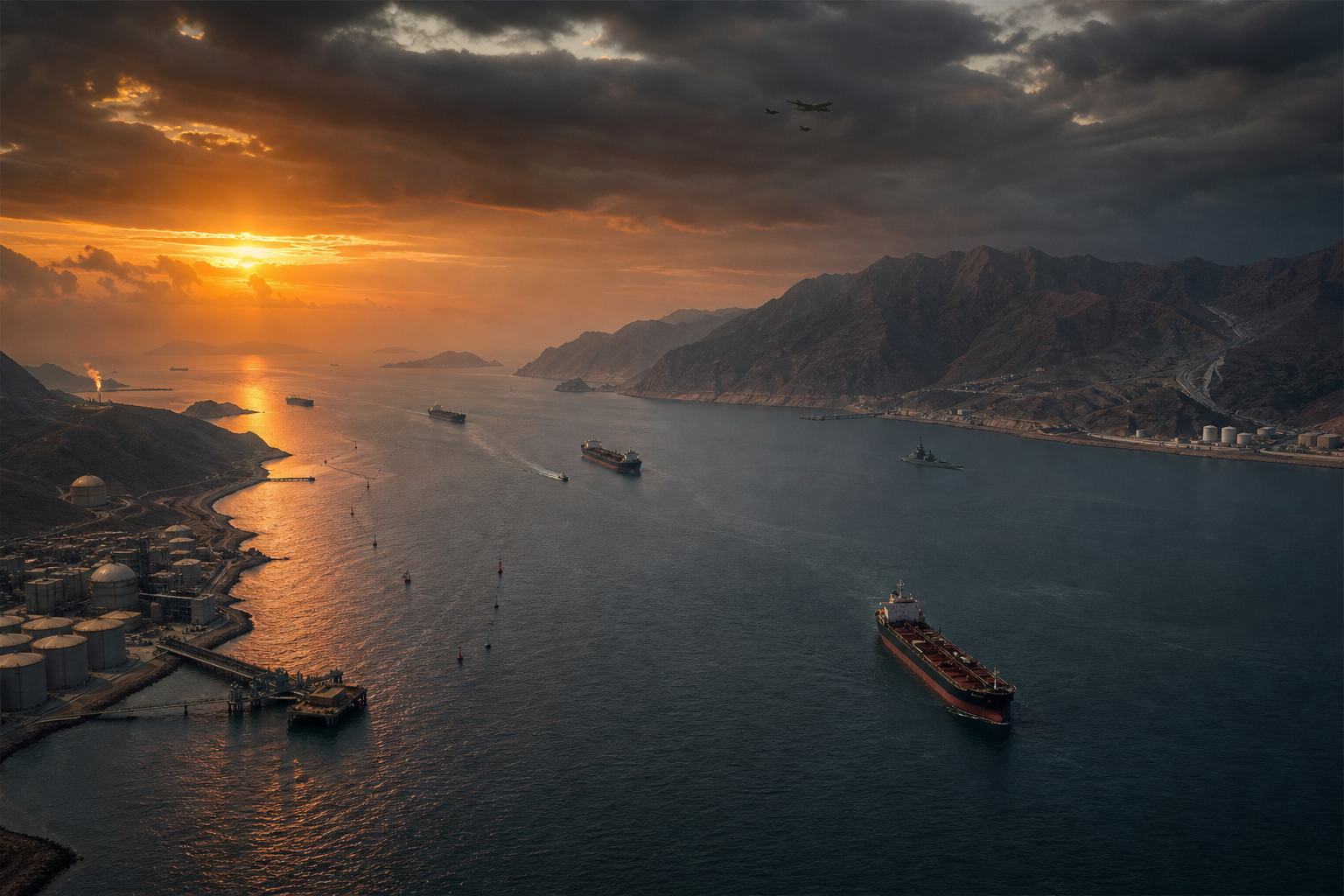
The latest escalation is closely linked to the Strait of Hormuz, one of the world’s most important energy shipping routes. Iran has announced plans for a new restricted maritime zone near the waterway, adding another layer of uncertainty for commercial vessels operating in the region.

Shipping activity through the strait has already fallen sharply. Reuters reported that an average of only about 10 commodity ships passed through the waterway each day during the past 10 days, the lowest level since May. The decline has increased concerns about possible disruptions to international oil and gas supplies.
Energy markets have responded quickly to the growing uncertainty. Brent crude climbed to around $97 a barrel on Monday, approaching the $100 mark as investors assessed the risk of further attacks on tankers and energy infrastructure. Analysts have warned that a deeper disruption could push prices considerably higher.

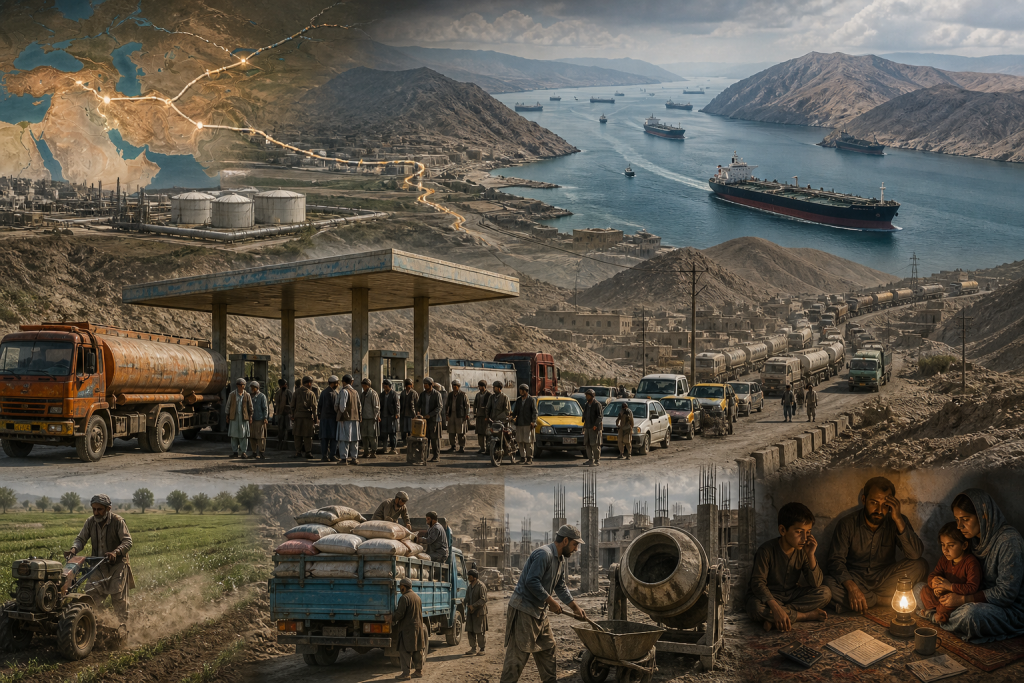
The effects are extending beyond Iran and the United States. Gulf countries are working to protect their economies and maintain energy exports despite the disruption. The United Arab Emirates, for example, is developing alternative export routes, expanding infrastructure and reducing its dependence on the Strait of Hormuz.
The continuing confrontation has therefore become more than a regional military crisis. Any prolonged disruption around Hormuz could affect fuel prices, transportation costs, inflation and economic growth in countries far from the Gulf. With Iran warning of further retaliation and regional states preparing alternative routes, the future of energy shipping remains uncertain.