
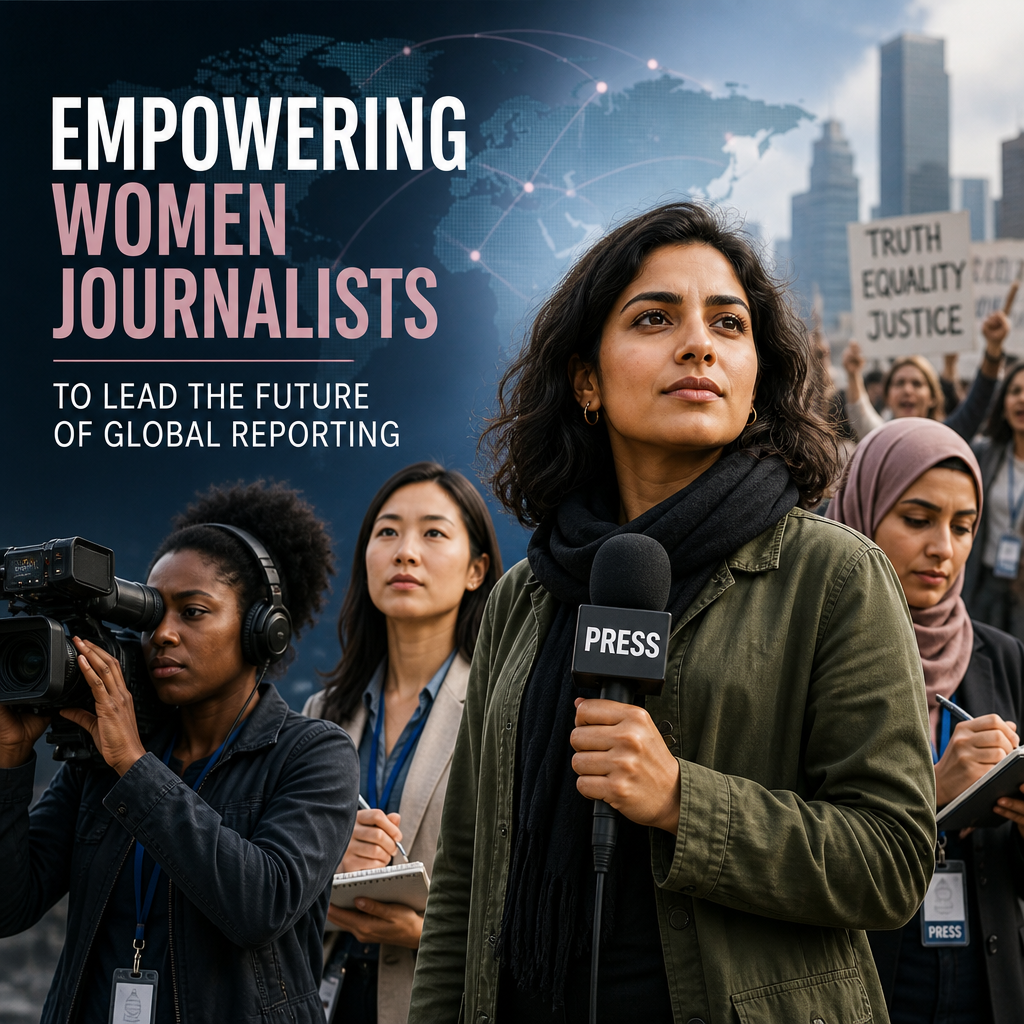
Empowering Women Journalists to Lead the Future of Global Reporting
Empowering Women Journalists to Lead the Future of Global Reporting
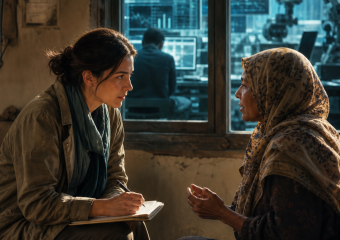
The future of global reporting depends on diverse voices, independent thinking, and courageous journalism. Women journalists are already shaping that future by covering overlooked stories, challenging powerful institutions, and bringing new perspectives to complex issues. Yet across newsrooms and media organizations, many still face barriers that limit their safety, influence, and opportunities for advancement.
Empowering women journalists is not only a matter of fairness. It is essential to building stronger, more accurate, and more representative journalism.
Why Women’s Leadership Matters in Journalism
Women journalists often bring attention to subjects that have historically received limited coverage, including gender-based violence, unequal access to education, reproductive health, caregiving, and the experiences of marginalized communities. Their reporting helps audiences understand how political and economic decisions affect people’s everyday lives.
Leadership also matters because newsroom priorities are influenced by who has a voice in decision-making. When women hold positions as editors, bureau chiefs, correspondents, and media executives, news coverage can become more inclusive and responsive to a wider range of communities.
A newsroom that reflects the society it serves is better equipped to:
- Identify important stories that might otherwise be ignored
- Challenge stereotypes and harmful assumptions
- Build trust with diverse audiences
- Encourage ethical and responsible reporting
- Support more balanced editorial decisions
Breaking Down Barriers
Despite their contributions, women journalists continue to encounter discrimination, unequal pay, limited promotion opportunities, and harassment. In many parts of the world, threats and violence are especially serious for women reporting on politics, conflict, corruption, or human rights.
Online abuse has created another major challenge. Women journalists are frequently targeted with sexualized threats, coordinated harassment, and attempts to discredit their work. These attacks can affect their mental health, professional confidence, and willingness to cover important stories.
Media organizations must treat these risks as workplace and press freedom issues. Effective support can include:
- Clear policies against harassment and discrimination
- Confidential systems for reporting misconduct
- Legal and psychological support for journalists facing threats
- Digital security training and protective technology
- Transparent pay structures and promotion criteria
- Flexible working arrangements for journalists with caregiving responsibilities
Creating safer workplaces allows women journalists to focus on reporting rather than constantly defending their right to participate.
Investing in Skills and Leadership
Empowerment requires more than encouragement. Women journalists need access to practical resources, professional networks, and leadership development opportunities.
Training in investigative reporting, data journalism, multimedia storytelling, cybersecurity, and artificial intelligence can help journalists adapt to a rapidly changing media environment. Mentorship is equally valuable. Experienced editors and reporters can provide guidance on negotiating assignments, navigating newsroom politics, building sources, and pursuing leadership roles.
Building Stronger Professional Networks
Networks connect journalists with opportunities, expertise, and solidarity. Women-focused journalism organizations, regional press associations, and international fellowships can help reporters share knowledge and collaborate across borders.
These connections are especially important for freelance journalists and those working in underrepresented regions. Access to grants, equipment, training, and international platforms can make it possible for them to produce ambitious investigations that might otherwise remain untold.
Technology as a Tool for Greater Independence
Digital tools are transforming how global reporting is researched, produced, and distributed. Women journalists can use technology to reach audiences directly, verify information, protect sources, and collaborate with colleagues around the world.
However, technology must be paired with safety and ethical awareness. Strong passwords, secure communication platforms, multi-factor authentication, and careful management of personal information can reduce digital risks. News organizations should provide this support as a standard part of professional development rather than placing the responsibility entirely on individual journalists.
Technology can also make journalism more accessible. Mobile reporting tools, podcasts, newsletters, and social media platforms allow women journalists to build independent audiences and challenge traditional gatekeepers.
A Shared Responsibility
Empowering women journalists is not the responsibility of women alone. Editors, media owners, journalism schools, governments, technology companies, and audiences all have a role to play.
News organizations must measure progress through meaningful outcomes, including representation in senior positions, pay equity, retention rates, and responses to harassment. Journalism schools should encourage women to pursue investigative, political, international, and technology-focused reporting. Audiences can support credible journalism by subscribing to independent outlets and rejecting online abuse.
The goal is not simply to place more women in newsrooms. It is to create media environments where women can lead, take risks, receive recognition, and shape the future of the profession.
Leading the Future of Global Reporting
Women journalists are already redefining global reporting through persistence, insight, and innovation. With stronger institutional support, they can lead even more effectively and ensure that journalism reflects the full complexity of the world.
A media industry that empowers women becomes more representative, resilient, and trustworthy. By removing barriers and investing in women’s leadership, society strengthens not only journalism but also the public’s ability to understand events, question authority, and participate in democratic life.