
Afghanistan Continues Fight Against Polio
Afghanistan launched its first nationwide polio vaccination campaign of 2026 in April, reaching approximately 12.8 million children under five and providing vitamin A to younger children. The campaign responds to continued wild poliovirus transmission, with four cases recorded by July.
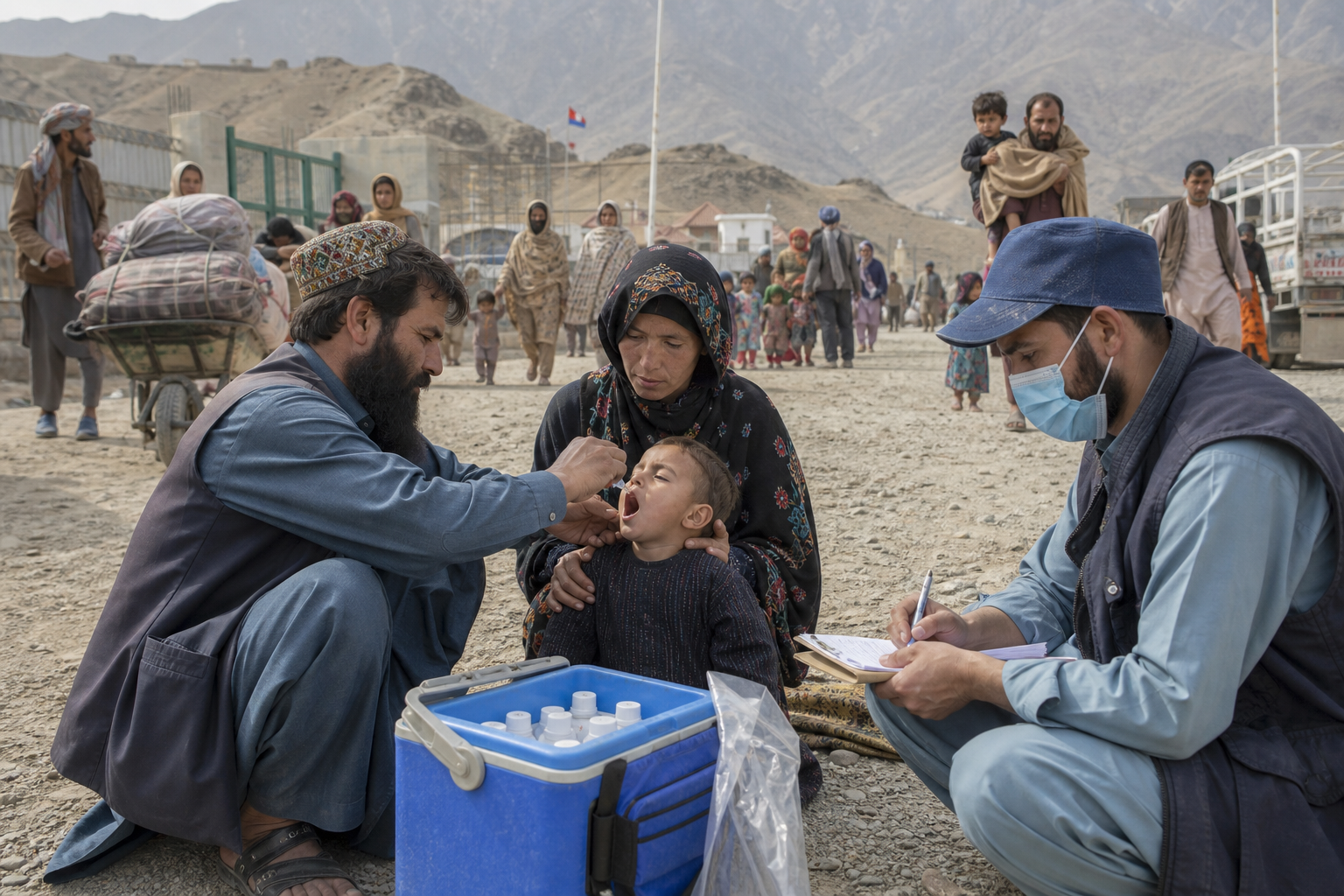
Health teams face challenges including population movement, difficult terrain and limited access. Afghanistan and Pakistan are coordinating vaccination and surveillance efforts, including at border crossings, to reach missed children and reduce cross-border transmission.
Afghanistan is continuing its nationwide effort to protect children from polio as health workers and international partners expand vaccination campaigns across the country. The campaign remains an important public-health priority because Afghanistan is still one of the few places in the world where wild poliovirus transmission continues.
In April 2026, Afghanistan launched its first nationwide polio vaccination campaign of the year, reaching about 12.8 million children under the age of five. Vitamin A was also provided to children between six and 59 months as part of the campaign. The large-scale effort was designed to strengthen children’s immunity and reduce the risk of further transmission.

The latest figures show that the disease has not yet been completely eliminated. WHO data recorded four wild poliovirus type 1 cases in Afghanistan by July 2026. The continued detection of the virus means vaccination and disease surveillance remain essential, particularly in areas where children may be difficult to reach.
Reaching every child remains one of the biggest challenges for health teams. Population movement, difficult terrain, limited infrastructure and access problems can prevent some children from receiving every recommended dose. To address these gaps, vaccination teams also work at border crossings and other transit locations where children and families are moving between Afghanistan and Pakistan.

The cooperation between Afghanistan and Pakistan is particularly important because the two countries form a connected epidemiological area for polio transmission. WHO says vaccination campaigns in both countries are being coordinated to reduce the possibility of the virus moving across the border and reaching communities with insufficient immunity.
Afghanistan’s fight against polio depends on sustained vaccination, accurate disease monitoring and cooperation with local communities. Protecting children requires reaching those who are regularly missed by campaigns and maintaining public confidence in vaccines. Continued efforts could help reduce transmission and bring Afghanistan closer to the long-term goal of ending polio.