
ISIS-K Remains a Growing Security Threat in Afghanistan
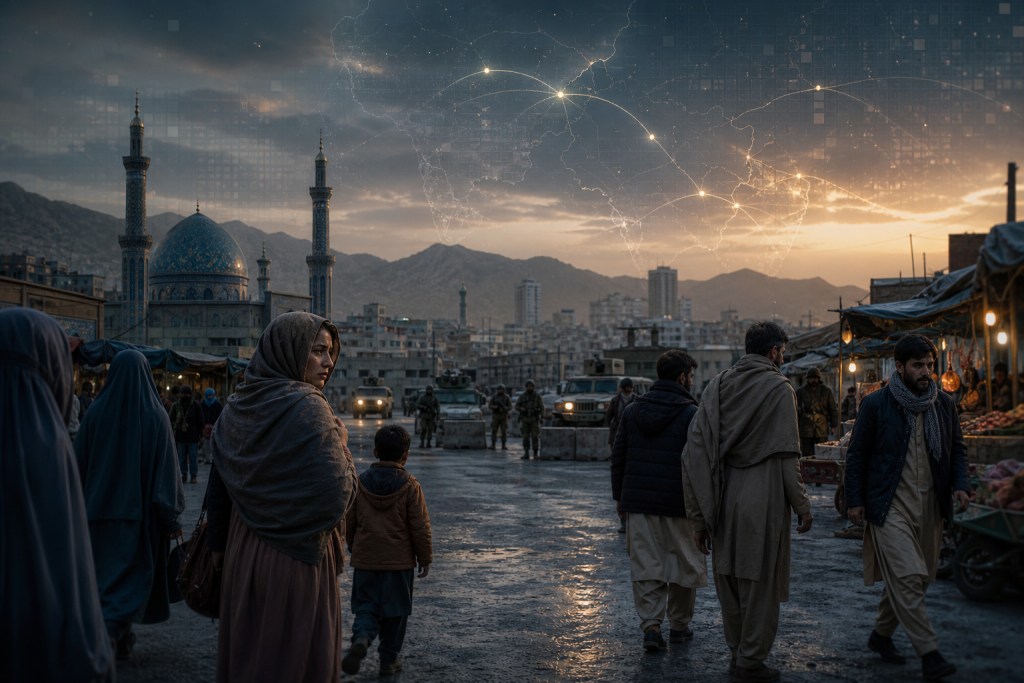
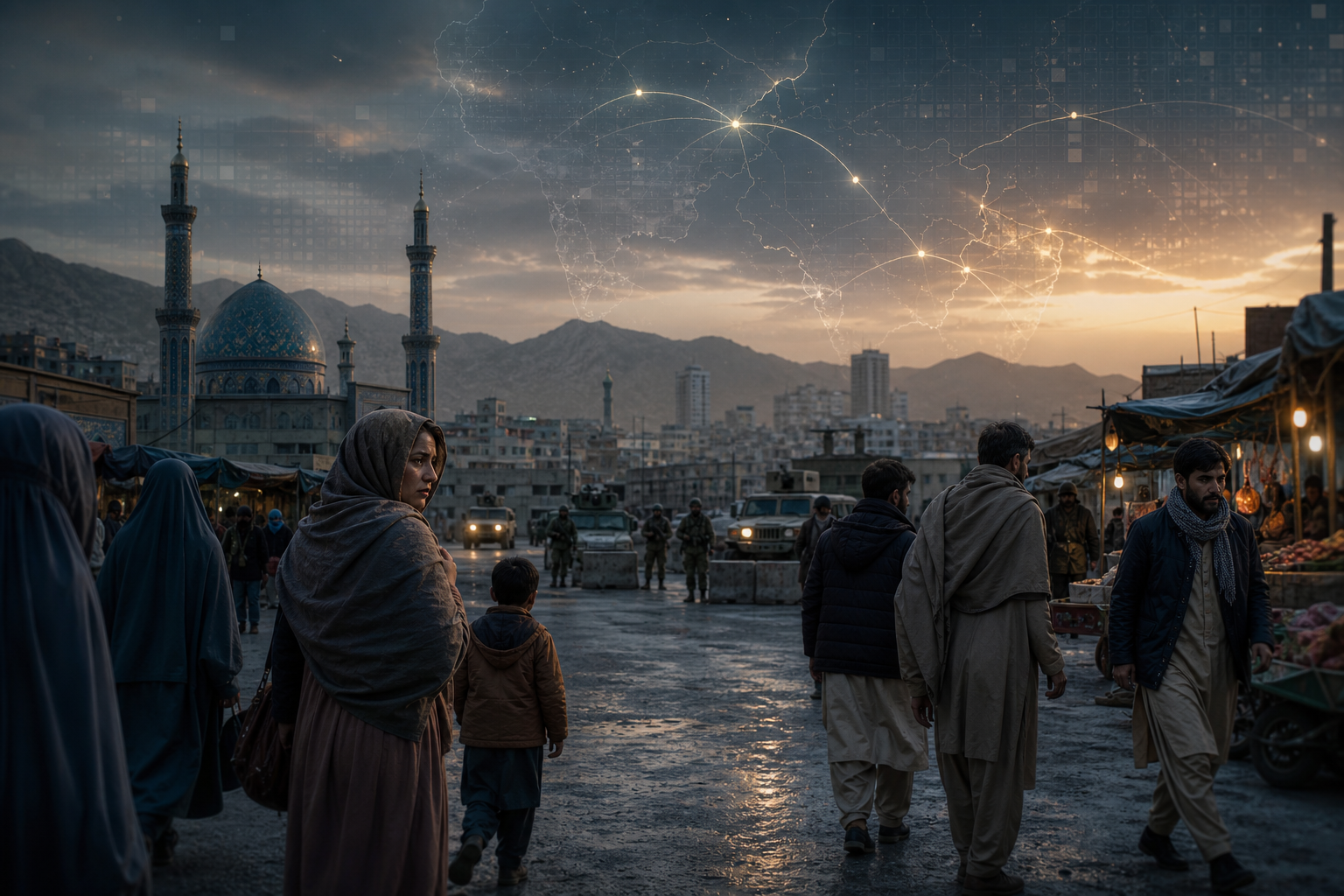
ISIS-K remains a significant security threat in Afghanistan despite sustained pressure from security operations. The group continues to target civilians and religious communities, maintain operational networks, and use online propaganda to spread its ideology and recruit supporters.
International monitoring organizations remain concerned about ISIS-K’s potential cross-border connections and regional impact. Experts emphasize combining security measures with efforts to counter recruitment, propaganda, radicalization, and socioeconomic conditions that may support extremism.
The Islamic State Khorasan Province (ISIS-K) continues to be regarded as a significant security threat in Afghanistan. Although the group has faced sustained pressure from security operations, international assessments indicate that it retains networks capable of organizing attacks and maintaining an extremist presence.
ISIS-K has repeatedly targeted civilians and religious communities in Afghanistan. The group has claimed responsibility for deadly attacks in public places, highlighting the continuing security risks faced by ordinary people. Such attacks have also increased concerns among international observers about the group’s ability to operate inside the country.

The group has also relied on online propaganda to promote its extremist ideology and attract supporters. Social media and encrypted communication platforms can allow extremist networks to reach individuals beyond the areas where their members are physically active.
International monitoring organizations continue to follow the activities of ISIS-K closely. While estimates of the group’s strength vary and its exact number of active members is difficult to establish, analysts agree that it retains an operational capability and remains a concern for Afghanistan and neighboring countries.

The presence of ISIS-K has broader regional implications. Neighboring countries remain concerned that extremist networks operating in Afghanistan could develop cross-border connections. These concerns have made the activities of ISIS-K an important issue in regional security discussions.
Security experts say that confronting ISIS-K requires both immediate security measures and longer-term efforts to prevent recruitment. Countering extremist propaganda, improving access to education and employment, and reducing conditions that can contribute to radicalization are considered important elements of a broader strategy.
Despite continued pressure, ISIS-K remains an active security concern, keeping Afghanistan’s internal stability and regional security under close international attention.