
China’s AI Race Moves Beyond Models as Alibaba Builds Its Own Computing Stack
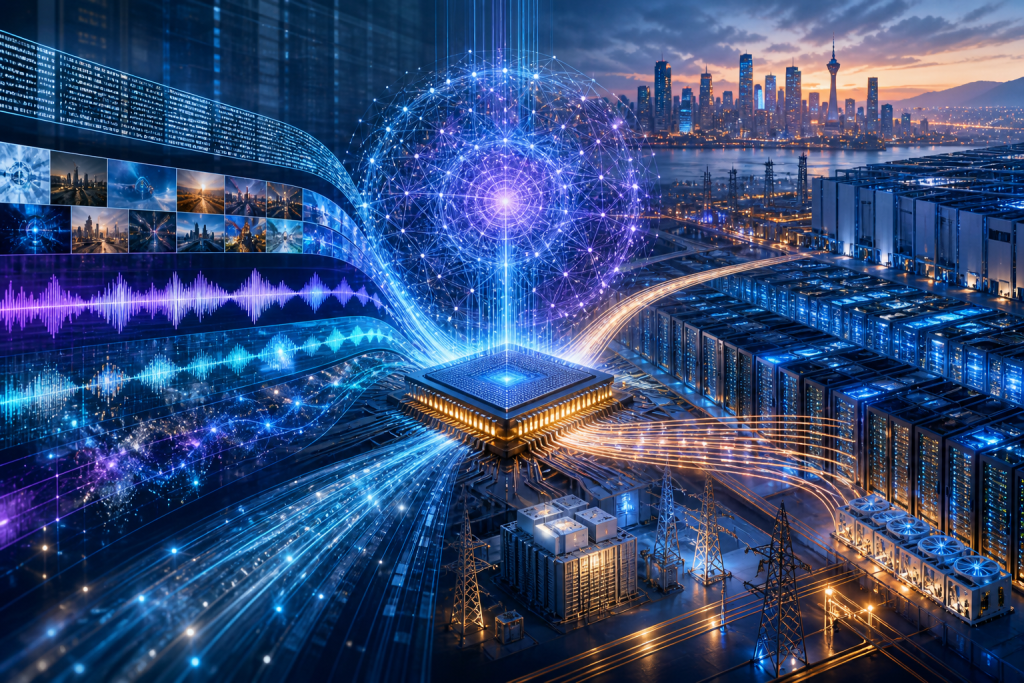
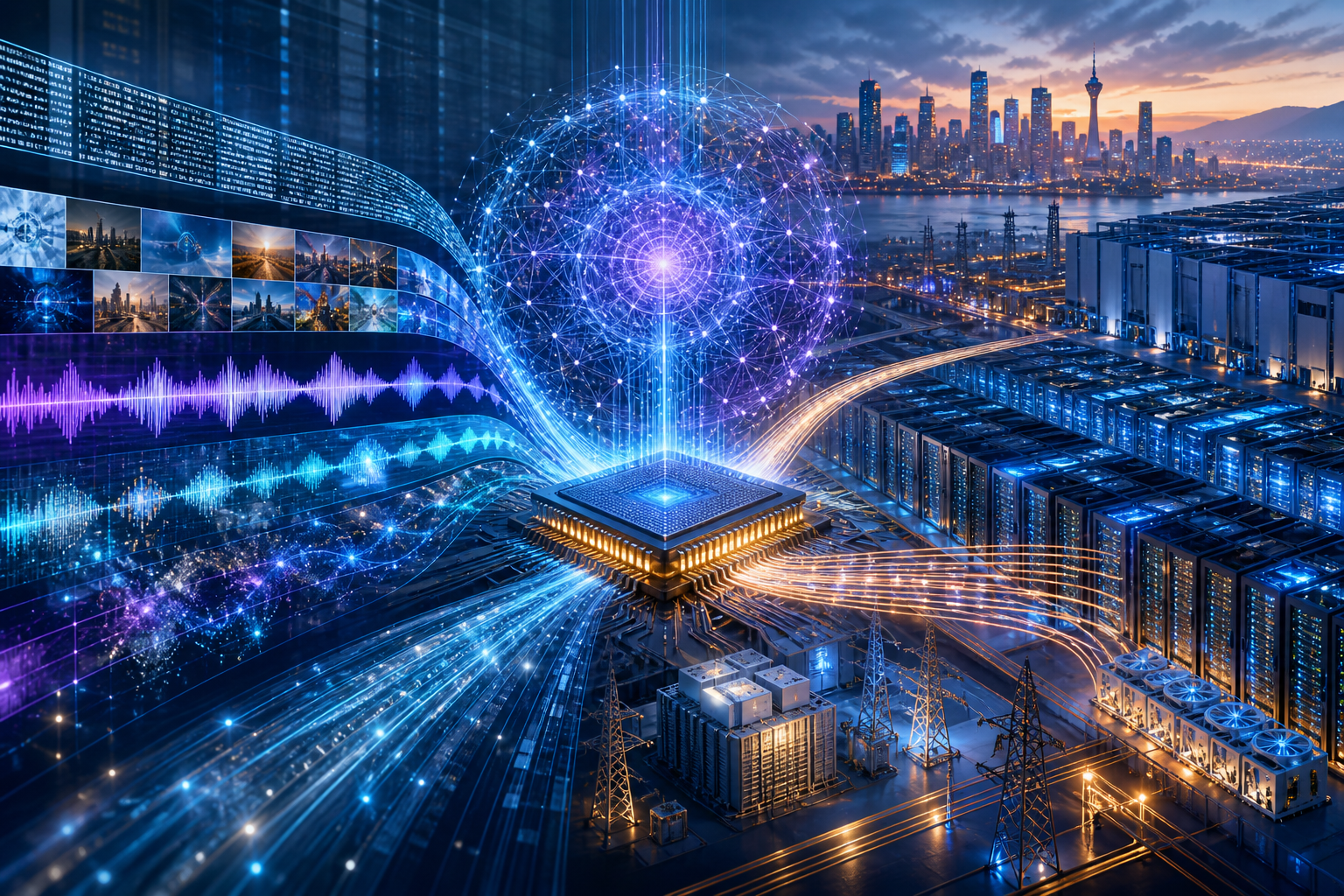
Alibaba is expanding its AI strategy beyond software models by developing a future system with up to 10 trillion parameters, multimodal capabilities, a new in-house processor, and expanded data-center infrastructure.
Its Zhenwu V900 chip is intended for AI training and deployment, with production expected in 2027. Alibaba aims to exceed 20 gigawatts of global data-center capacity by 2032, reflecting China’s push to build domestic AI technology ecosystems.

Alibaba is expanding its artificial intelligence ambitions with a strategy that goes beyond developing larger software models. The Chinese technology company has announced plans for a new generation of AI systems, a powerful in-house processor and a major expansion of the computing infrastructure needed to run increasingly demanding applications.
At the center of the plan is a future AI model that could contain between 5 trillion and 10 trillion parameters. That would represent a major increase from Alibaba’s current flagship model and reflects the company’s effort to build systems capable of handling more complex and longer-running tasks. The company has also described multimodal AI as an important direction, allowing systems to work with information such as text, images, voice and other forms of human communication.
Alibaba is also developing the hardware needed to support this expansion. Its semiconductor division has introduced the Zhenwu V900, a new AI chip that the company says delivers roughly three times the performance of its previous generation. The processor is designed for both training advanced AI models and running them for users, with commercial production expected in 2027.
The company’s plans extend further into data centers. Alibaba has set a long-term goal of expanding its global data-center capacity to more than 20 gigawatts by 2032. Such infrastructure requires enormous amounts of computing power and electricity, highlighting how the rapid growth of AI is increasingly becoming an infrastructure challenge as much as a software race.
The announcements come as Chinese technology companies continue developing domestic alternatives to advanced AI hardware and systems. Restrictions on access to some high-end foreign chips have increased pressure on Chinese firms to strengthen their own semiconductor and computing capabilities. Alibaba’s approach shows how companies are attempting to control more parts of the AI supply chain, from models and processors to cloud infrastructure.
The next stage of the competition will not be determined simply by which company builds the largest model. Performance, efficiency, access to computing resources, software ecosystems and the ability to turn AI into useful products will also matter. Alibaba’s latest plans suggest that the global AI race is increasingly becoming a competition to build entire technology ecosystems rather than individual chatbots.