
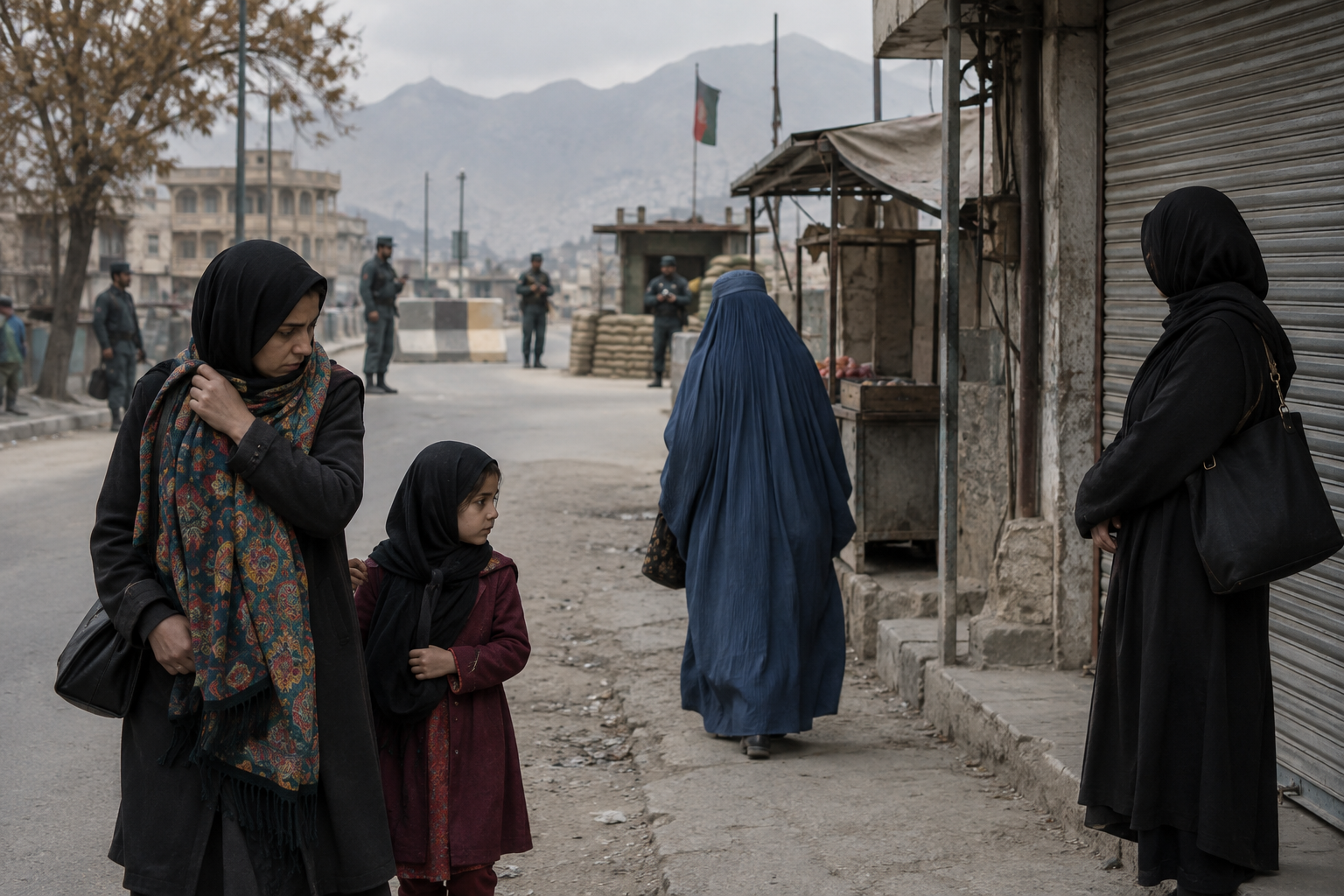
UN Raises Alarm After 53 Afghan Women and Girls Detained Over Dress Code Rules
UNAMA reported that 52 women and one girl were arrested or detained in Kabul and Herat between July and September 2026 over alleged dress-code violations, including visible hair, makeup, colorful scarves, or appearing without a male guardian. All were reportedly released after several hours.
The United Nations also cited reports of verbal abuse, beatings, and threats, warning that additional cases may be unreported. UNAMA urged Afghanistan’s de facto authorities to end discriminatory enforcement and respect women’s freedom of movement, expression, and dignity.
KABUL, Afghanistan — October 12, 2026
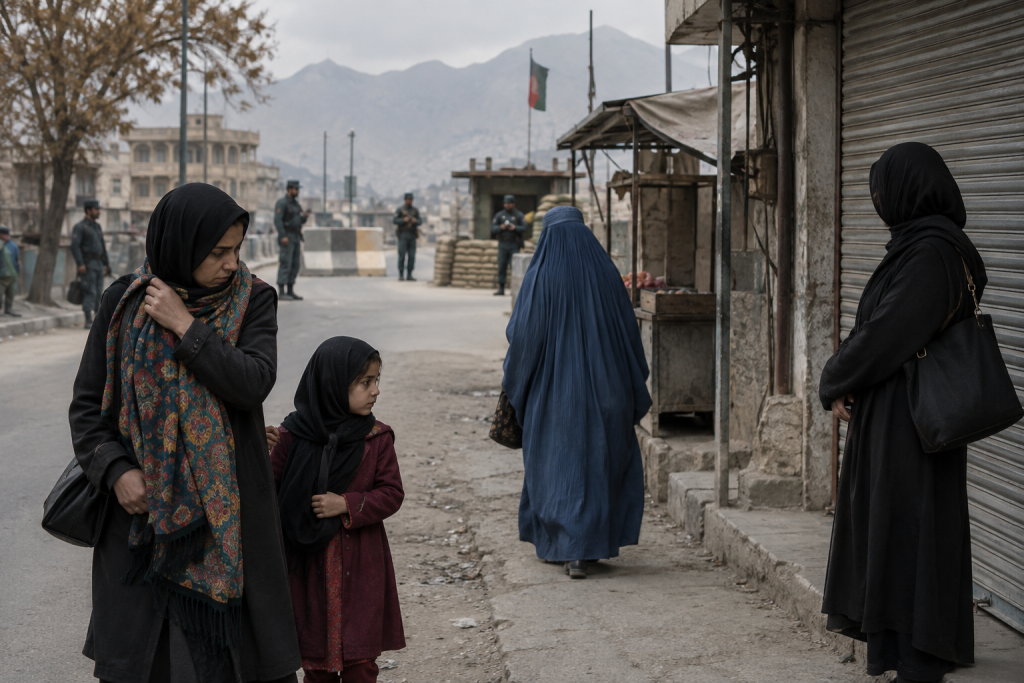
At least 52 women and one girl were arrested or detained in Kabul and Herat between July and September over alleged violations of dress code requirements, the United Nations Assistance Mission in Afghanistan (UNAMA) reported on October 8.

The findings have renewed concerns about restrictions affecting Afghan women and girls, including their freedom of movement and ability to participate in everyday public life.
What Happened?

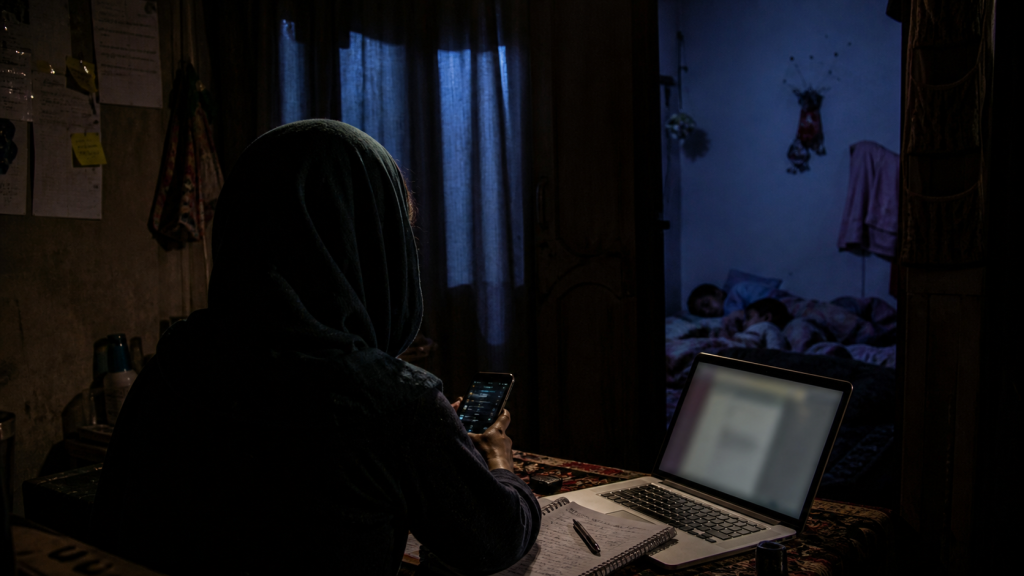
According to UNAMA, the reported cases involved allegations including wearing colorful scarves or makeup, having visible hair, not wearing a chador, or appearing in public without a mahram, a male guardian.
The UN mission said the women and girl were released after spending several hours in detention.

Other women reportedly faced threats of arrest.
UNAMA warned that the actual number of cases could be higher because fear, stigma, and protection concerns may prevent some incidents from being reported.
Reports of Abuse Raise Further ConcernsThe United Nations also expressed concern about reports of verbal abuse, beatings, and threats targeting women, including female shopkeepers.
The findings highlight the impact that enforcement of public dress requirements can have on women’s daily lives, personal autonomy, and ability to work or move around their communities.
UNAMA called on the authorities to end discriminatory enforcement practices and respect the rights and dignity of women and girls.
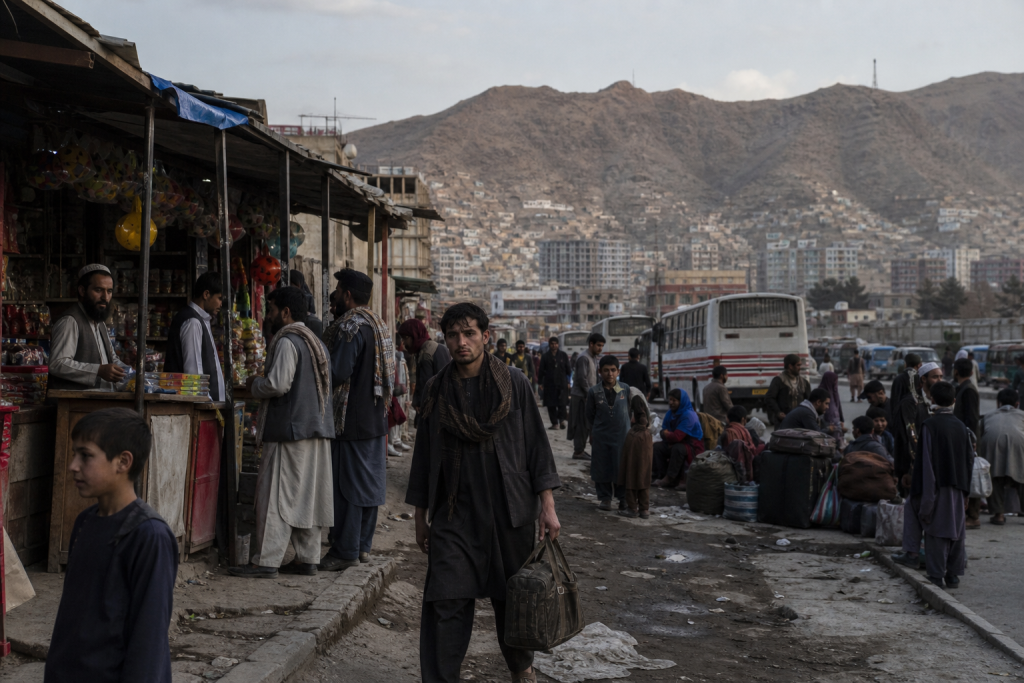
Why This Matters for AfghanistanFor many Afghan women, access to education, employment, healthcare, and public spaces is already affected by restrictions imposed since the Taliban returned to power in August 2021.
The latest findings add to continuing international concerns about women’s rights and the ability of Afghan women and girls to participate fully in society.
The issue also has implications for Afghanistan’s international engagement, as human rights remain a central subject in discussions about the country’s future and relations with the international community.
What Happens Next?
UNAMA has urged the de facto authorities to respect freedom of movement, freedom of expression, and other fundamental rights.
As of the publication of the UN statement on October 8, the authorities had not publicly responded to the findings cited in the report by The Associated Press.
The reported cases cover July through September 2026.
They should not be interpreted as a complete count of all women detained across Afghanistan during that period.
Source: United Nations Assistance Mission in Afghanistan (UNAMA).
Official report: https://unama.unmissions.org/en/press-releases/unama-expresses-concern-over-de-facto-authority-arrests-of-afghan-women-and
Additional reporting: https://apnews.com/article/b0638ad6beecb7073267d6f97d80082d
Editorial note: This article summarizes findings attributed to UNAMA.
Allegations and reported incidents are presented as documented by the organization, rather than as independently verified in every individual case.