No Name, No Face, No Fear: The Afghan Women Running the World’s Most Dangerous Newsroom
Rukhshana Media, founded by Zahra Joya in 2020, operates from exile with a network of women reporters working secretly inside Afghanistan. The journalists use pseudonyms, encrypted communications, and other security measures after the Taliban barred women from public speaking and sharply restricted press freedom.
Despite risks including arrest, torture, death, and retaliation against families, the agency continues reporting on forced marriages, sexual violence, and the exclusion of women from public life. Most women journalists in Afghanistan have lost their jobs, while only a small minority can work openly.
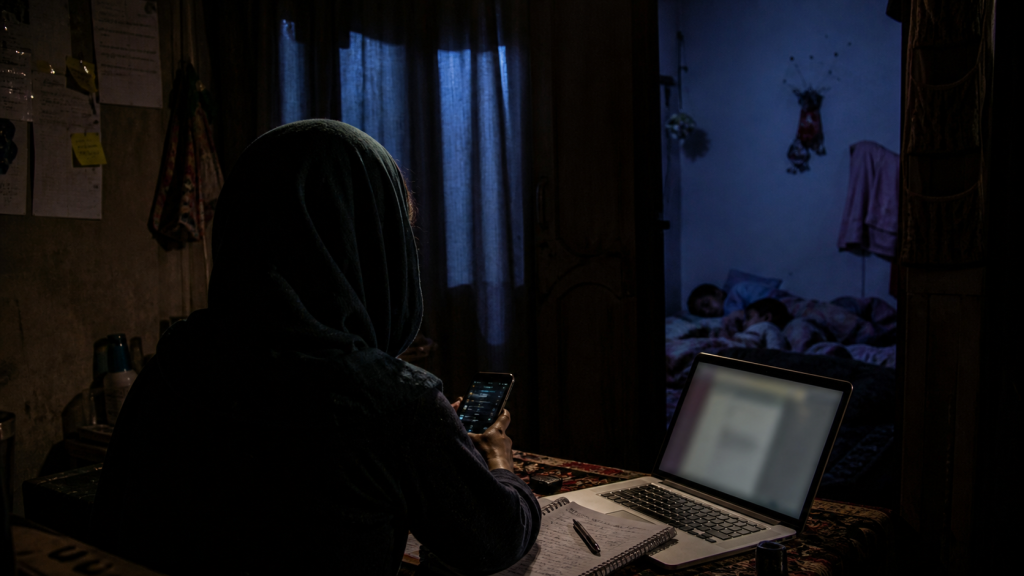
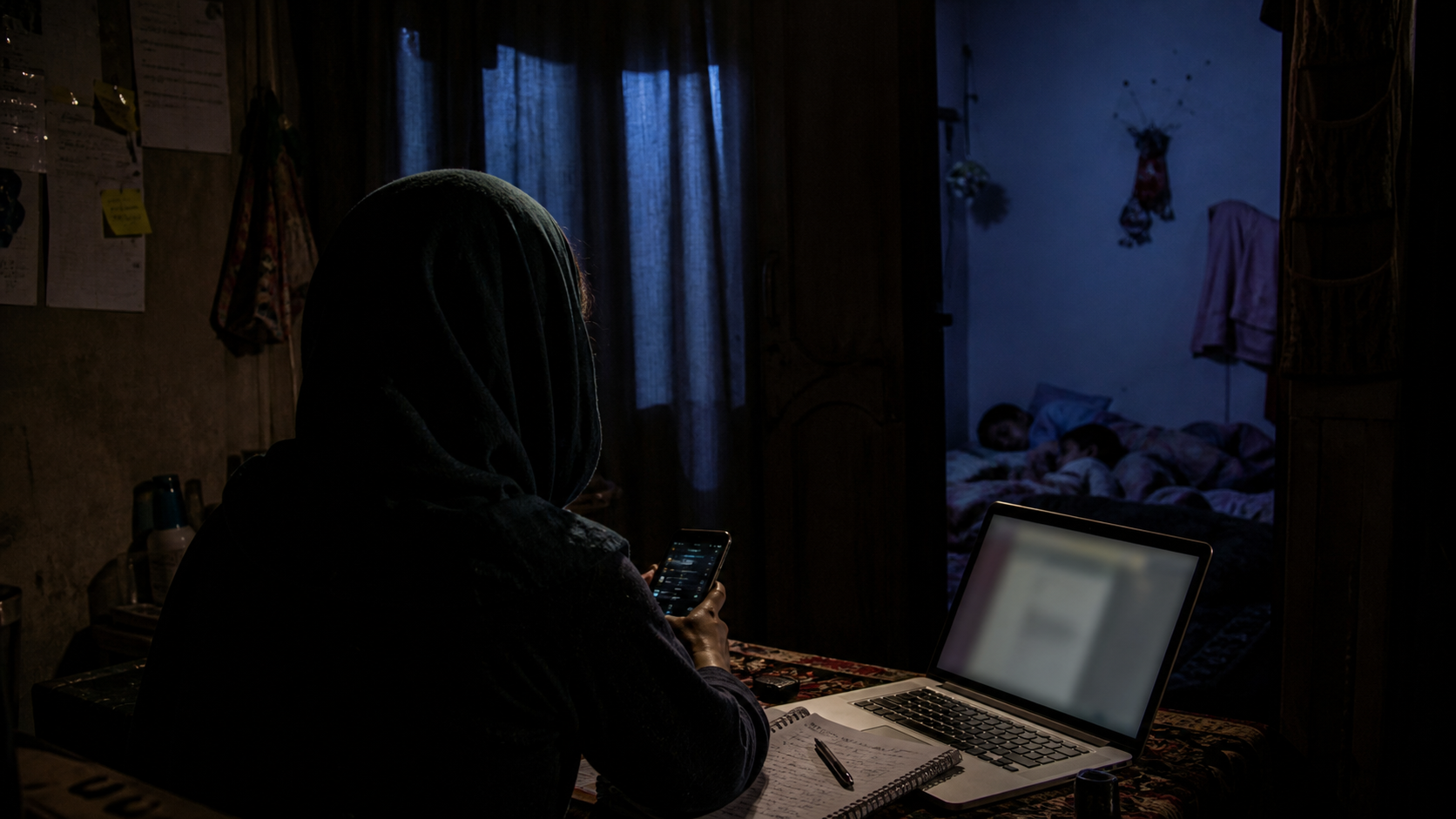
They file stories from shuttered rooms while their families sleep. They use their mothers’ phones to avoid detection. They erase every email, every call log, every trace of their work before dawn. And they do it all under a regime that has banned them from speaking in public.
These are the women of Rukhshana Media, one of Afghanistan’s first female-led news agencies, operating from exile while a network of reporters remains inside the country. Founded by journalist Zahra Joya in December 2020, the agency is named after a young woman stoned to death by the Taliban in 2015.
The numbers tell part of the story. Within months of the Taliban’s takeover in August 2021, 80 percent of women journalists in Afghanistan lost their jobs. By 2024, press freedom in the country had plummeted to 178th in the world rankings. A 2025 survey found that only 6.9 percent of women journalists can work openly. More than 32 percent work in complete secrecy.
Joya herself knows the cost of visibility. As a child under the first Taliban regime, she disguised herself as a boy named Mohammed to attend school, cutting her hair and wearing her cousin’s clothes. She fled Afghanistan in 2021 after receiving death threats and now runs the agency from London.
From exile, she coordinates a team of nine women reporters inside Afghanistan who do not know each other’s identities. They publish under pseudonyms. They communicate through encrypted channels. They meet sources rarely, and sometimes never reveal their true identities even to the people they interview.
One reporter, known only as Maryam, was named Thomson Foundation’s Young Journalist of the Year in 2024. She could not attend the ceremony. When her win was announced, the foundation replaced the live broadcast with a message explaining that her name could not be mentioned due to the restrictions imposed on women by the Taliban.
For me, this is not just a job, it is a responsibility. And that is why I am not afraid to do my work, Maryam told the Columbia Journalism Review.
The risks are not abstract. If discovered, these journalists face arrest, torture, or death. Their families could face retaliation. The Taliban has questioned relatives of newsroom founders, seeking details about how the operations work.
Despite the danger, the work continues. Rukhshana’s stories have been published in partnership with Time magazine, The Guardian, and the Fuller Project. They document forced marriages, sexual violence in Taliban prisons, and the systematic erasure of women from public life.
The rate of suicide attempts is so high, particularly among young women, Joya said at the International Journalism Festival in 2025. The Taliban have issued over 80 decrees banning women from every part of society.
For these women, journalism is not a career. It is resistance. And they refuse to be erased.