
Afghan Girls Face Another Year Without Education: A Generation at Risk
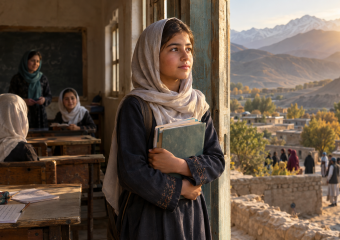
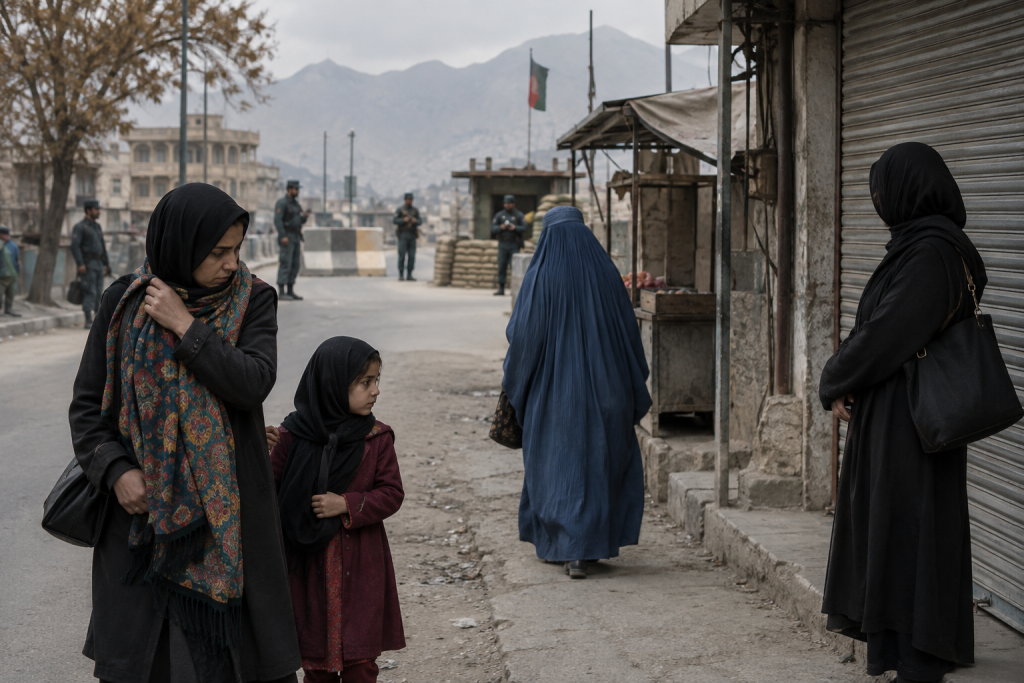
Afghanistan remains the only country where girls and women are barred from secondary and higher education. Since 2021, millions of girls have been unable to continue beyond primary school, limiting future employment opportunities and contributing to shortages of skilled women.
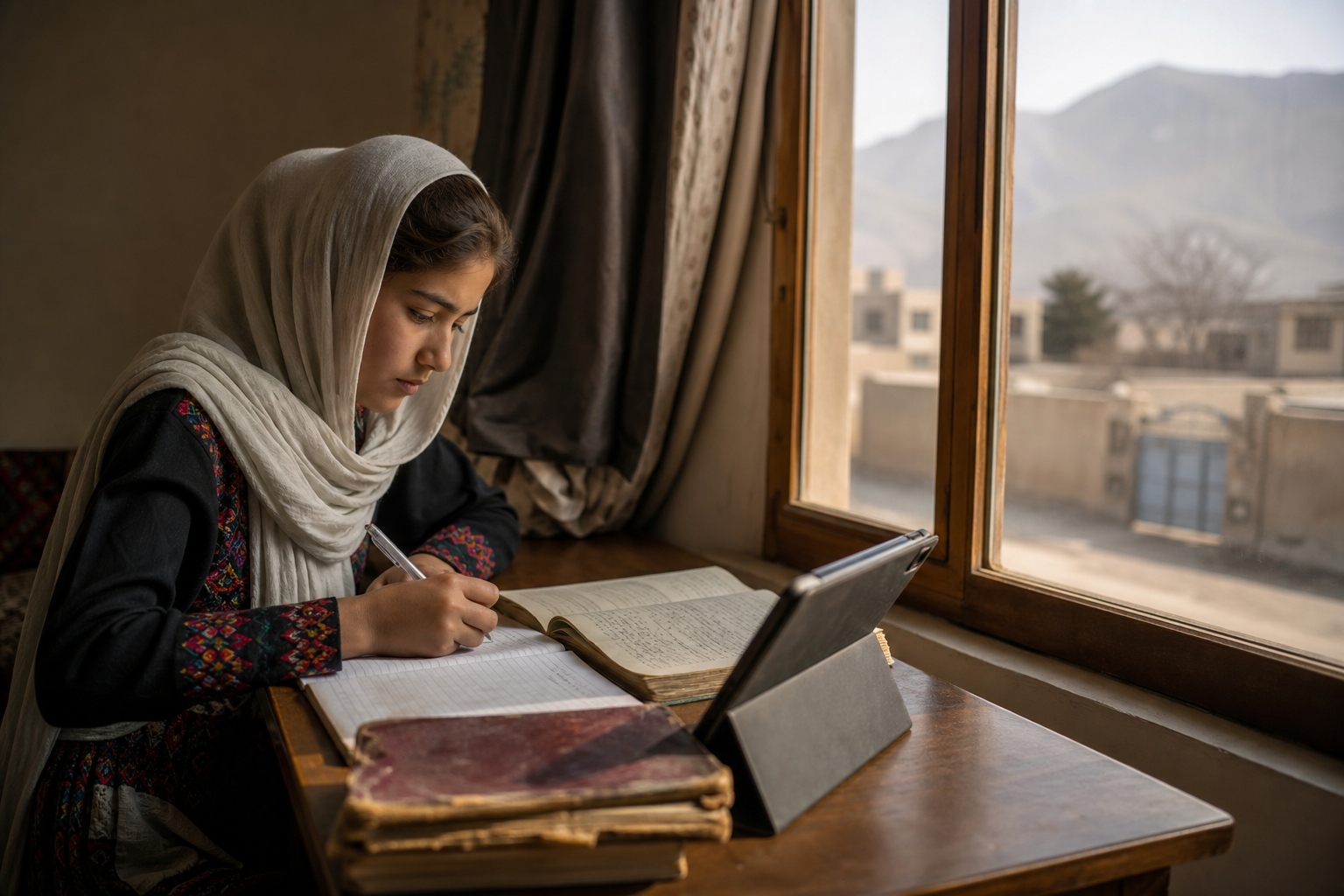
Many girls continue learning through books, online resources, community programs and independent study. UNICEF and UNESCO have called for their full and safe access to education, citing its importance to Afghanistan’s social and economic development.
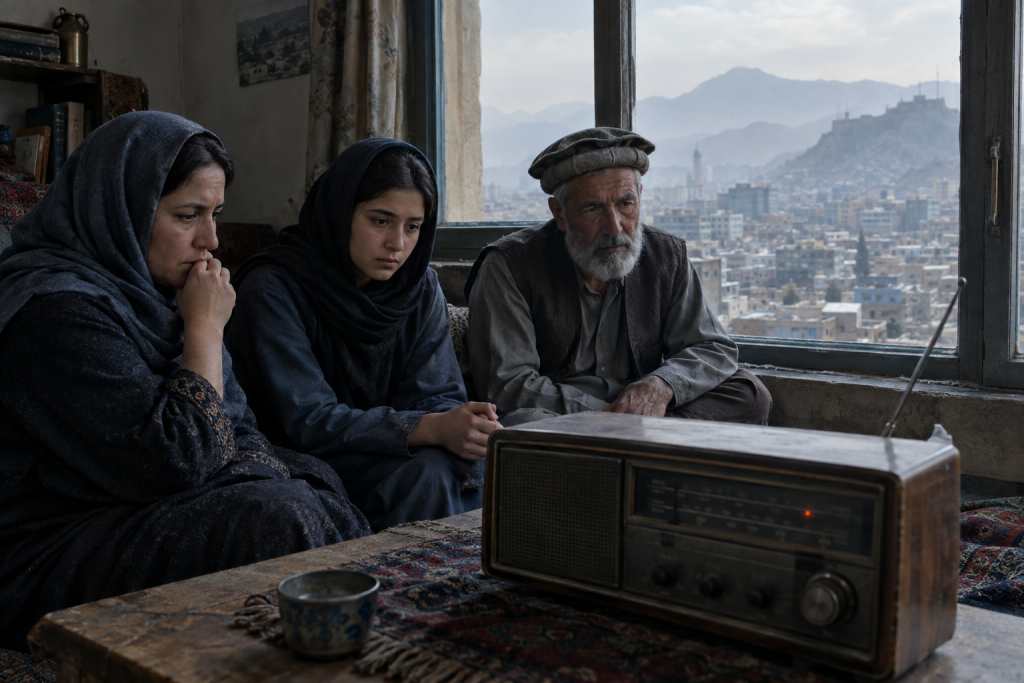
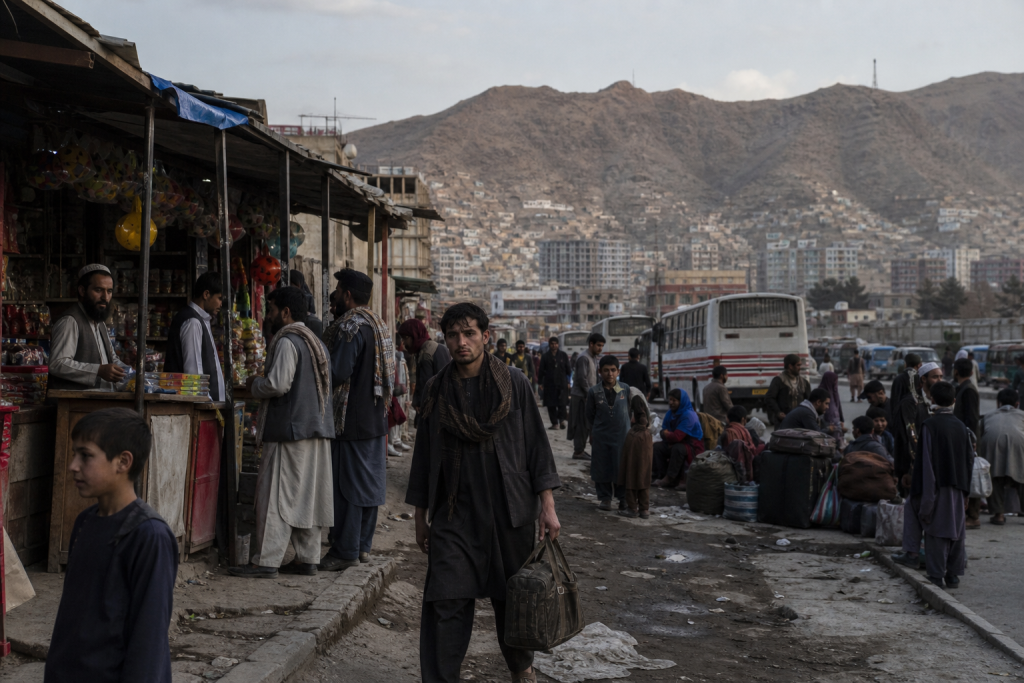
Millions of Afghan girls continue to face severe restrictions on their education, raising growing concerns about the future of a generation and the long-term development of Afghanistan.
According to UNICEF and UNESCO, Afghanistan remains the only country in the world where girls and women are prohibited from secondary and higher education. Since 2021, millions of girls have been unable to continue their studies beyond primary school.
The consequences extend beyond the classroom. Limited access to education can reduce future employment opportunities and contribute to shortages of skilled women in important sectors such as education, healthcare and other professional fields.
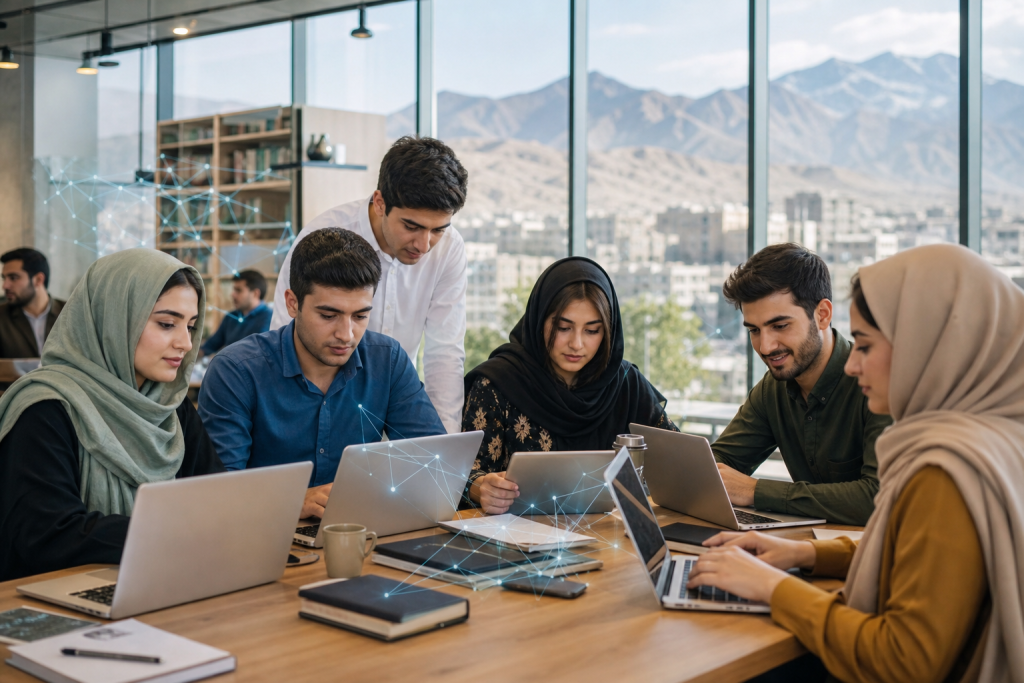
Despite these challenges, many Afghan girls continue to seek alternative ways to learn through books, online resources, community-based programs and independent study. Their determination demonstrates the continuing importance of education in their lives.

UNICEF and UNESCO have repeatedly called for girls’ full and safe access to education, emphasizing that educating girls is essential not only for their individual futures but also for the social and economic development of Afghanistan.
For Afghan girls, another year without education means another year of opportunities delayed. Protecting their right to learn remains an investment in the future of the entire country.