
The Future of Global Trade in 2026: Opportunities and Challenges
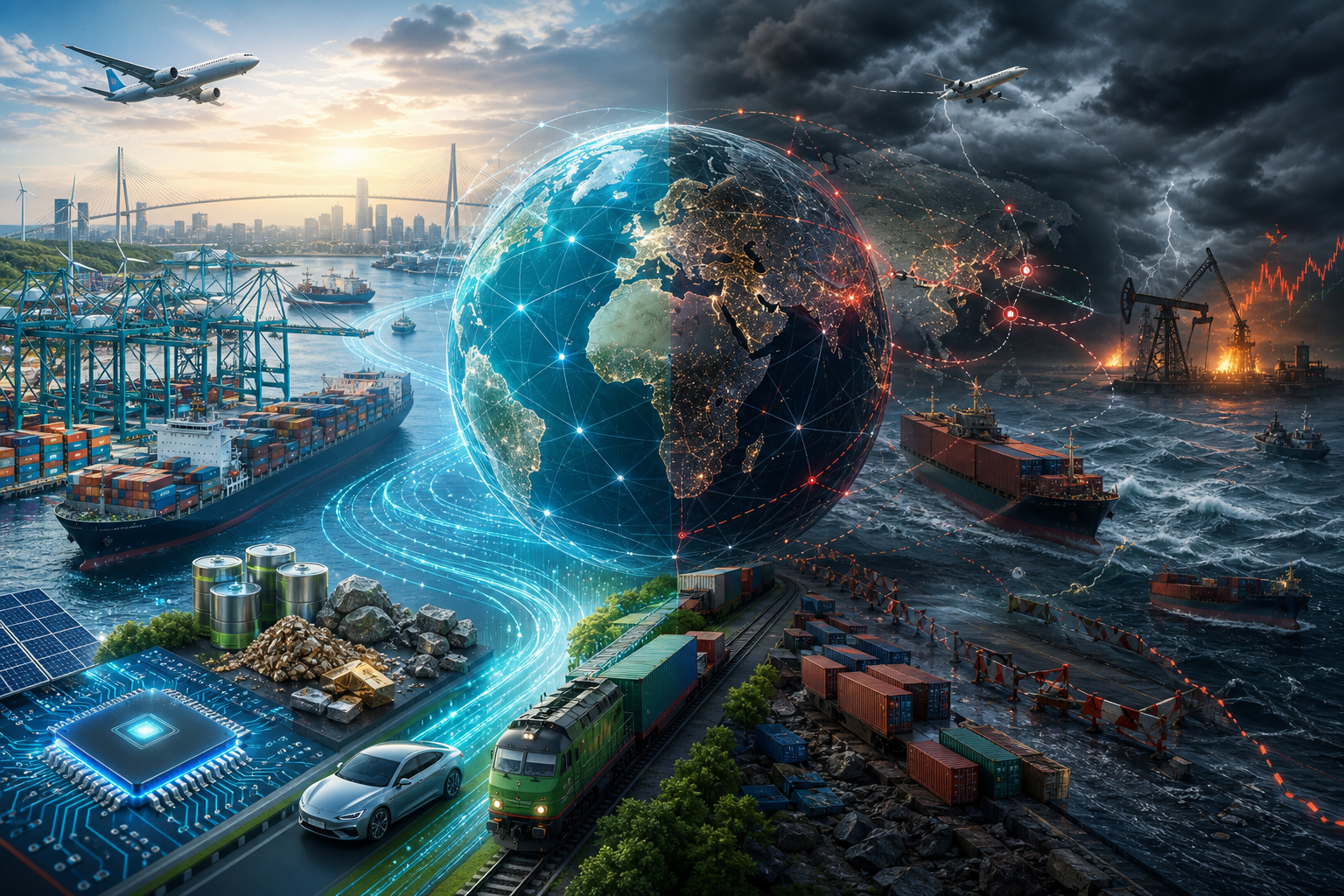
Global trade is changing in 2026 amid economic uncertainty, shifting policies, supply-chain pressures and technological development. Goods and services trade have grown, partly because of higher energy and transportation prices, while businesses are diversifying suppliers and markets to reduce disruption risks.
Technology sectors, including semiconductors, batteries, critical minerals, electric vehicles and AI-related products, are creating new opportunities. However, geopolitical uncertainty may slow merchandise trade growth, making infrastructure, digital capabilities, clear policies and international cooperation important for future participation and resilience.
Global trade remains an important part of the world economy, connecting businesses, consumers and governments across borders. In 2026, however, the international trading environment is changing as countries respond to economic uncertainty, evolving trade policies, supply-chain pressures and rapid technological development.
According to UN Trade and Development (UNCTAD), global goods trade reached an estimated $13.7 trillion in the first half of 2026. Services trade also recorded strong growth compared with the same period in 2025. UNCTAD noted that higher prices, particularly for energy and transportation, contributed to the increase in the value of global trade.

These developments are encouraging businesses to rethink their international supply chains. Companies are increasingly looking for alternative suppliers and markets to reduce their exposure to disruptions. This could lead to more diversified and flexible supply networks in the coming years.
Technology Creates New Opportunities
Technology is becoming an increasingly important driver of international commerce. UNCTAD reported strong growth in several technology-related sectors during the first quarter of 2026. Semiconductor trade increased significantly, while critical minerals, batteries, information and communications technology products, and electric vehicles also recorded notable growth.
Artificial intelligence is contributing to this transformation. The World Trade Organization (WTO) has reported strong demand for products that support AI development, including advanced electronic components. This growing demand is creating opportunities for economies involved in technology manufacturing, digital infrastructure and related services.

A Changing Trade Environment
Despite growth in several sectors, international trade remains sensitive to geopolitical and economic developments. The WTO has projected slower merchandise trade growth in 2026 compared with 2025, reflecting continuing uncertainty and disruptions affecting global commerce.
For developing economies, these changes present both challenges and opportunities. Investment in infrastructure, education, digital capabilities and reliable trade connections could help countries participate more effectively in emerging global industries.
Looking Ahead
The future of global trade will depend on how governments and businesses respond to these changes. Clearer policies, stronger infrastructure, diversified supply chains and international cooperation could help reduce uncertainty and support sustainable economic growth.

Global commerce is unlikely to remain exactly as it was in previous years. Technology, changing consumer demand and evolving supply chains are likely to play an increasingly important role.
For businesses and governments, adaptability will be essential. Those that can respond responsibly to changing markets while maintaining reliable international partnerships may be better prepared for the next stage of global trade.
Sources: UN Trade and Development (UNCTAD); World Trade Organization (WTO).