
Preserving the Heritage of Ariana: Centuries of Cultural Milestones
The Heritage of Ariana: Preserving Centuries of Cultural Milestones in the Modern Era
Ariana’s cultural landscape tells a story written across centuries: marketplaces, music, craftsmanship, and community rituals that have shaped local identity. The Heritage of Ariana: Preserving Centuries of Cultural Milestones in the Modern Era explores how this layered past is being kept alive amid rapid modernization and global pressures.
A living archive of traditions
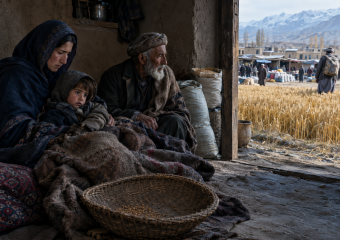
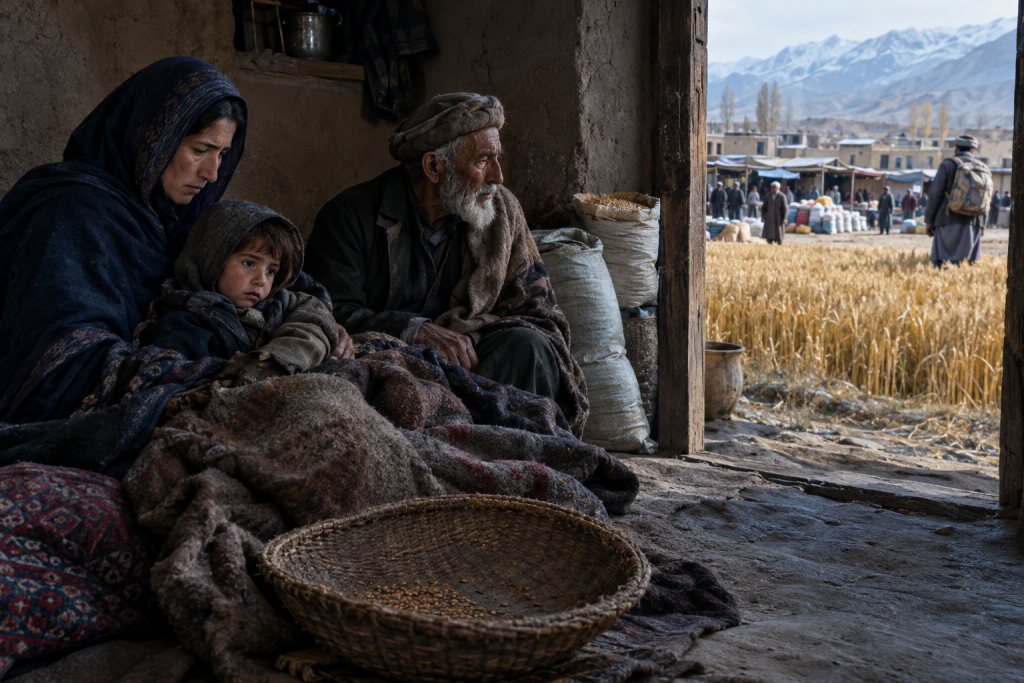
Heritage is not only monuments and museums. It lives in the rhythms of daily life: family recipes handed down through generations, seasonal festivals that mark agricultural cycles, and artisanal techniques practiced in workshops. These intangible traditions are as important to Ariana’s identity as its architectural landmarks.

Preserving these practices means understanding them as dynamic—capable of adapting while retaining core meaning. When elders teach young people a craft or a song, they sustain a thread that connects past and present.
Key cultural milestones to protect
- Architecture: Historic homes, mosques, and public spaces reflect centuries of design, materials, and social organization. Their conservation preserves urban memory and craftsmanship skills.
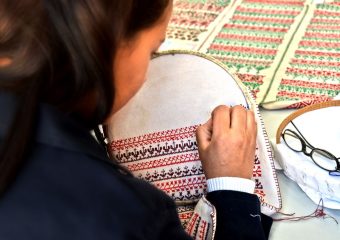
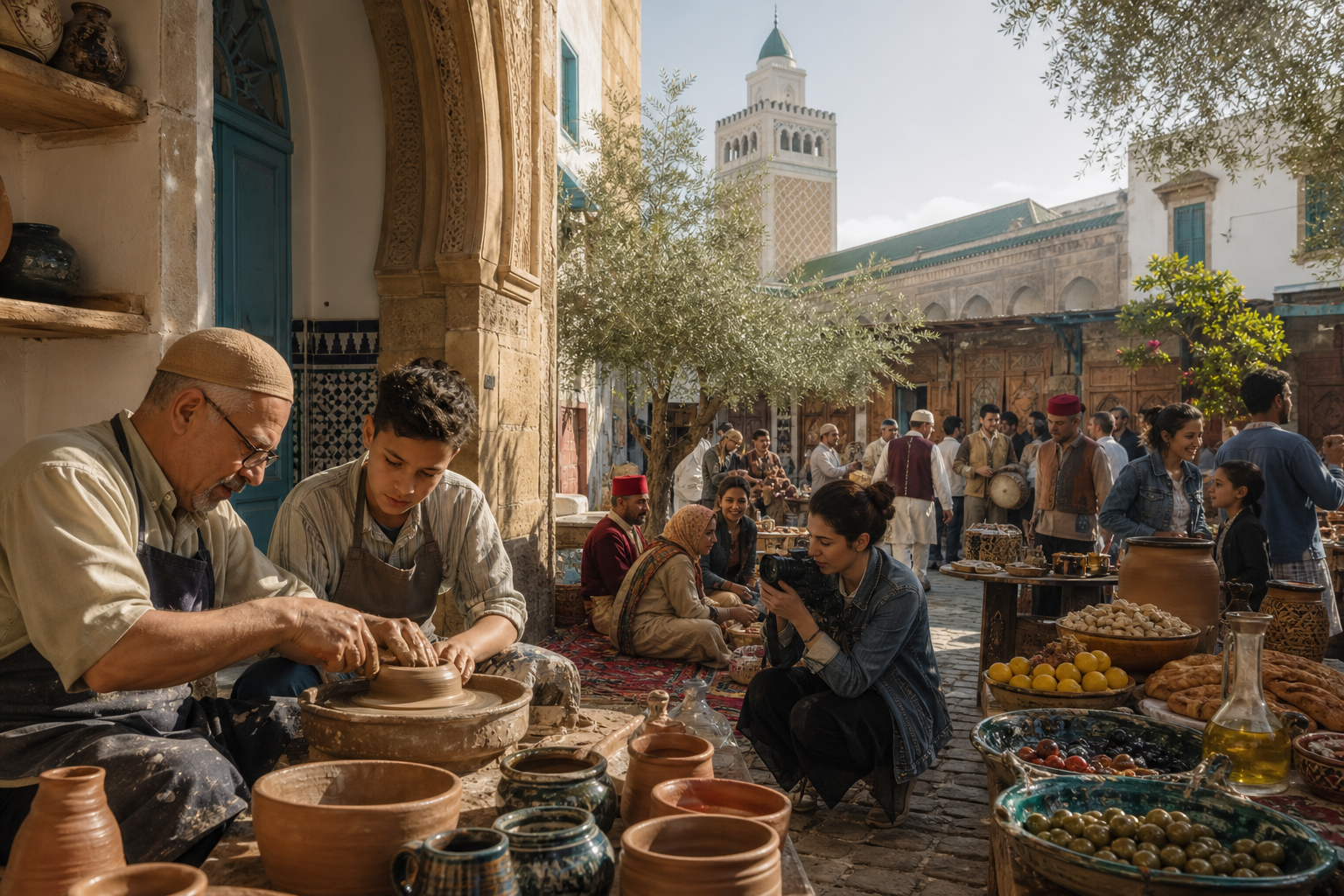
- Crafts and trades: Pottery, weaving, metalwork, and other trades carry unique techniques and aesthetics. Protecting workshops sustains livelihoods and continuity.
- Intangible heritage: Oral histories, music, dance, and ritual practices encode values and collective memory. Documenting and teaching these forms ensures they remain part of community life.
- Culinary traditions: Local recipes and food systems are living records of geography, trade, and family life. Protecting these includes safeguarding ingredients and farming knowledge.
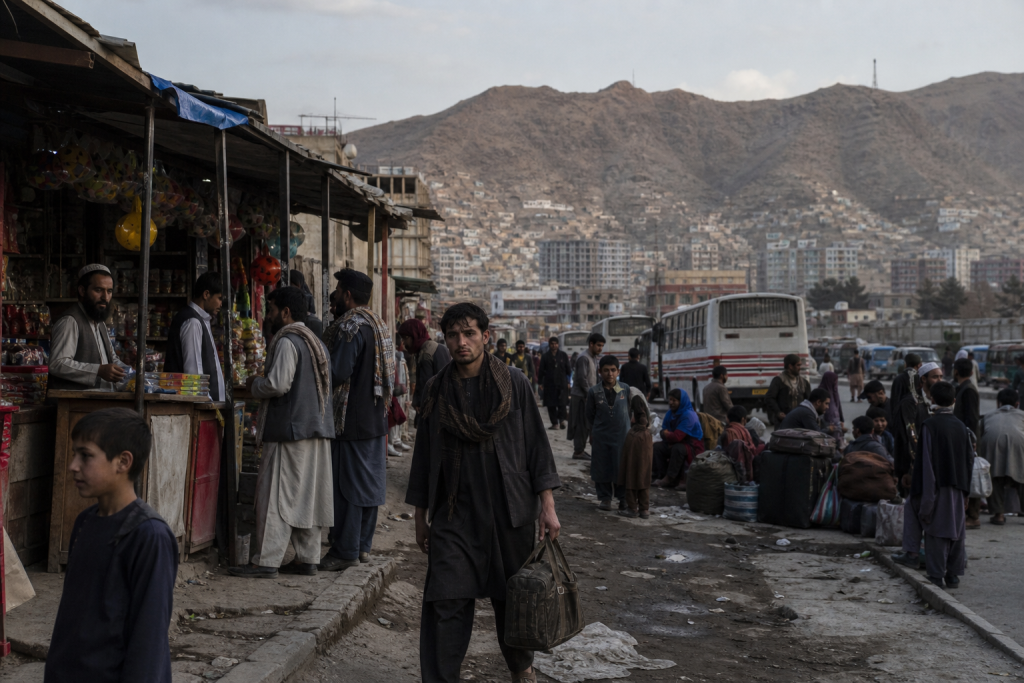
- Public festivals and markets: Seasonal fairs and traditional markets are hubs of social interaction and cultural exchange. Maintaining them sustains local economies and identity.
Challenges in the modern era
Modern life brings several pressures that threaten the heritage of Ariana:

- Urbanization: Expansion and redevelopment can erase historic neighborhoods and displace traditional workshops.
- Economic change: Younger generations may seek work outside traditional trades, leading to skill loss.
- Tourism pressures: While tourism can fund conservation, unchecked tourism can commodify and dilute traditions.
- Climate and environmental risks: Changing weather patterns and environmental degradation can damage historic fabric and diminish agricultural practices tied to heritage.
- Digital shifts: New media can overshadow local storytelling modes unless integrated thoughtfully.
Recognizing these threats is the first step toward effective, sustainable action.
Strategies for preservation
A mix of legal protection, community empowerment, and modern technology makes preservation viable:

Legal and architectural protections
- Enact heritage zoning and restoration incentives.
- Commission expert assessments before redevelopment.
- Encourage adaptive reuse of historic buildings to keep them functional and economically viable.
Community-led initiatives
- Support apprenticeships pairing master artisans with young learners.
- Fund local festivals and market programs that prioritize authenticity.
- Create community archives for oral histories, recipes, and craft patterns.
Education and youth engagement
- Integrate local heritage into school curricula and extracurricular programs.
- Offer internships and small grants for youth-led cultural projects.
- Organize intergenerational workshops to transfer skills and stories.
Digital preservation and promotion
- Record high-quality audio and video of music, crafts, and oral histories.
- Build online databases and virtual tours to broaden access while reducing physical impact.
- Use social media to celebrate living traditions and connect diaspora communities.
Examples of impactful approaches
- Restoration projects that pair conservation professionals with local craftsmen ensure authenticity while reviving traditional techniques.
- Small-scale cooperative models for artisans provide business training, shared workspaces, and market access without sacrificing cultural integrity.
- Mobile cultural programs bring performances and workshops into neighborhoods, keeping traditions visible and interactive.
A role for visitors and residents
Preserving the heritage of Ariana is a collective responsibility. Residents can champion local enterprises, attend cultural events, and pass on traditions to younger generations. Visitors can practice respectful tourism—choosing authentic experiences, prioritizing local guides and artisans, and supporting conservation efforts financially or through advocacy.
Conclusion
The Heritage of Ariana: Preserving Centuries of Cultural Milestones in the Modern Era requires thoughtful balance. By combining legal safeguards, community leadership, education, and digital tools, Ariana can keep its past active and meaningful in the present. Protecting these cultural milestones not only honors history but also enriches future generations with identity, creativity, and resilience.