
Ariana Region: Untold Story from Ancient Crossroads to Modern Hub
From Ancient Crossroads to Modern Hub: The Untold Story of the Ariana Region
The Ariana region, nestled just north of Tunis, has long been more than a satellite of a capital city. From ancient trade arteries to a rapidly evolving metropolitan area, Ariana’s story is one of continuity and reinvention. This post traces the region’s journey—its layered past, cultural richness, agricultural roots, and emerging role as a modern hub.
A Crossroads Through the Ages
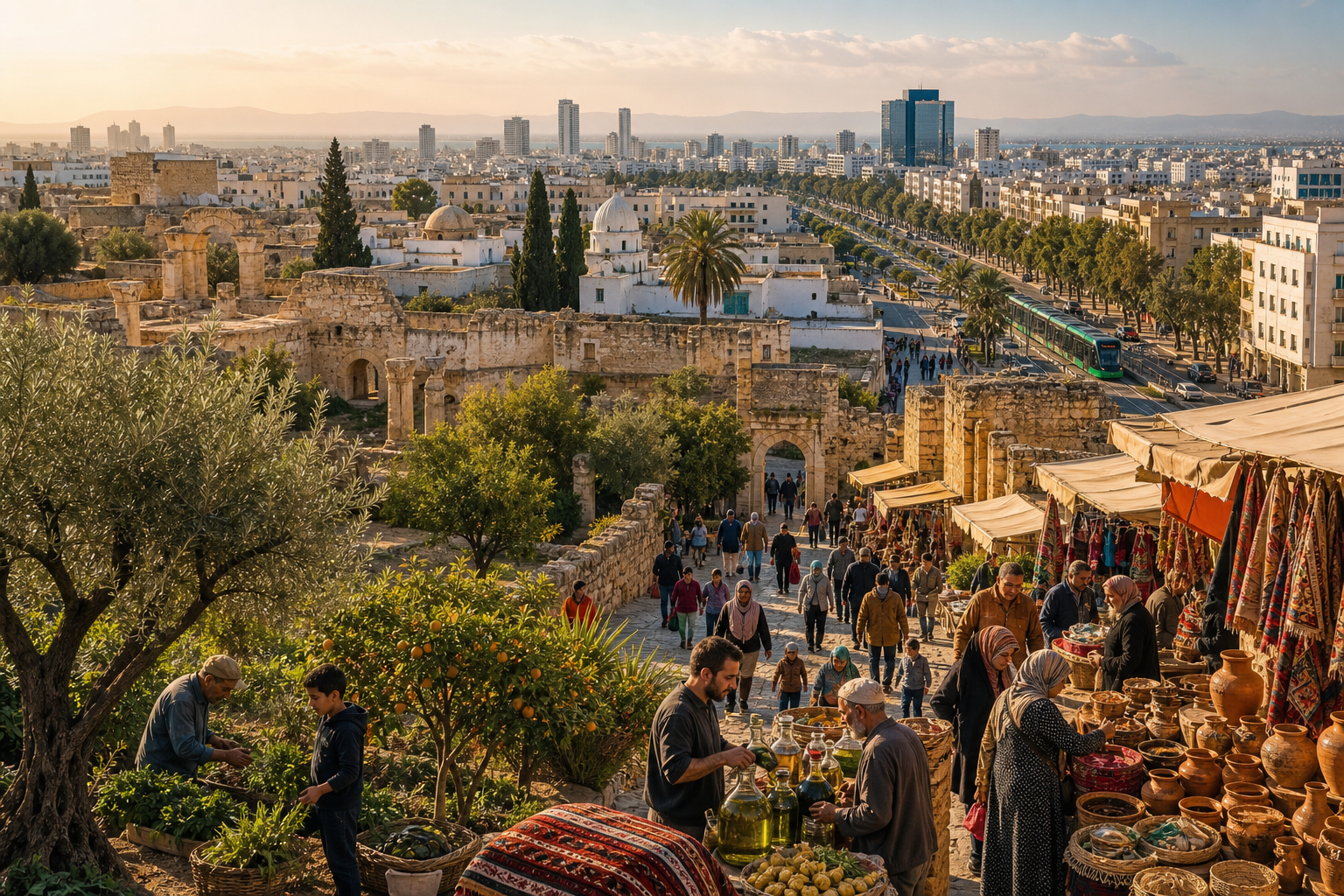
Positioned where Mediterranean commerce met inland routes, the Ariana region was an intersection of cultures and goods long before modern maps existed. Ancient traders, soldiers, and settlers passed through and left traces. Over centuries, successive civilizations—Phoenician traders, Romans, Islamic dynasties, Ottoman administrators, and European colonizers—shaped the region’s landscape and institutions.

Rather than a single dominant identity, Ariana developed as a mosaic. Roads and pathways connected ports to hinterlands, allowing ideas and commodities to flow. That history of movement set the stage for the region’s later urban and economic growth.
Layers of Cultural Heritage
Ariana’s cultural fabric is diverse and quietly resilient. Traditional crafts, culinary practices, and communal life reflect influences that have been absorbed and reinterpreted across generations.

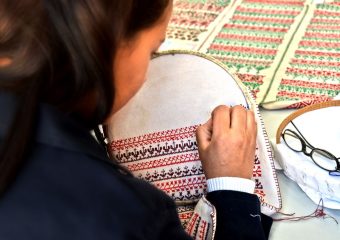
- Handicrafts and textiles: Local artisans have kept craft traditions alive through weaving, pottery, and decorative woodwork, often blending traditional motifs with contemporary tastes.
- Culinary traditions: The region’s food is rooted in Mediterranean ingredients—olive oil, citrus, seasonal vegetables—prepared in techniques passed down within families and markets.
- Festivities and communal life: Local festivals, market days, and religious observances bring neighborhoods together, preserving oral histories and social rituals.
Archaeological sites and historic neighborhoods offer glimpses into these layers, where old masonry sits beside modern construction, and narrow lanes still echo with centuries of daily life.
Agricultural Roots and Local Economy
For much of its history, Ariana’s economy was shaped by the land. Fertile soils supported orchards, olive groves, and vegetable production that supplied nearby urban centers. Small-scale farmers and market gardeners were the backbone of local trade.

Even as urbanization progressed, agriculture retained symbolic and economic importance. Community markets and roadside stalls continued to link city dwellers with fresh produce, while traditional food-processing—olive pressing, preserves, and artisanal products—remained part of the region’s economic mix.
Urbanization and the Modern Hub
In recent decades, Ariana has transformed from agricultural hinterland into an integral part of the Greater Tunis metropolitan area. Key features of this transformation include:
- Residential expansion: New neighborhoods and housing developments grew to accommodate a rising population and the commuting workforce.
- Infrastructure and connectivity: Improved road networks, public transport links, and proximity to Tunisian transport hubs have integrated Ariana more tightly into national and regional systems.
- Economic diversification: Industry parks, small manufacturing, services, and a growing startup scene reflect a shift toward a mixed urban economy.
This evolution has made Ariana both a place where residents live and where businesses locate, making it a functional hub rather than a peripheral suburb.
Balancing Growth and Preservation
Rapid change brings challenges. Urban sprawl can pressure green spaces and heritage sites, while social shifts demand thoughtful planning.
Local initiatives—both public and private—have focused on:
- Protecting cultural sites and traditional neighborhoods.
- Creating public parks and recreational spaces to maintain quality of life.
- Supporting artisanal producers and local markets to preserve cultural economy.
- Encouraging sustainable development practices to balance growth with environmental stewardship.
These efforts aim to retain the region’s unique character even as it modernizes.
Looking Ahead: A Region Reinvented
The Ariana region’s journey from an ancient crossroads to a contemporary hub is ongoing. Its strategic location, layered heritage, and dynamic population give it the potential to model balanced regional development: blending history and innovation, preserving local identity while embracing modern opportunities.
For visitors and residents alike, Ariana offers more than commuter convenience. It invites exploration—through local markets, neighborhood streets, and community traditions that reveal the untold story of a place where past and present meet. As development continues, the key will be crafting a future that honors the region’s roots while opening new avenues for economic and cultural life.