
Why Ariana’s Regional Stability Matters for International Markets
Why the World is Looking Back at Ariana: Regional Stability and Its Impact on International Markets
Ariana has re-entered the global conversation—not because of a single headline event, but due to a broader reassessment of how regional stability shapes international markets. Governments, investors, and multinational companies are increasingly attentive to the ripple effects that localized political and security dynamics can have on trade, capital flows, and commodity prices. Understanding why Ariana matters helps clarify larger lessons about risk, opportunity, and interconnected markets.
Ariana’s strategic position and why it matters
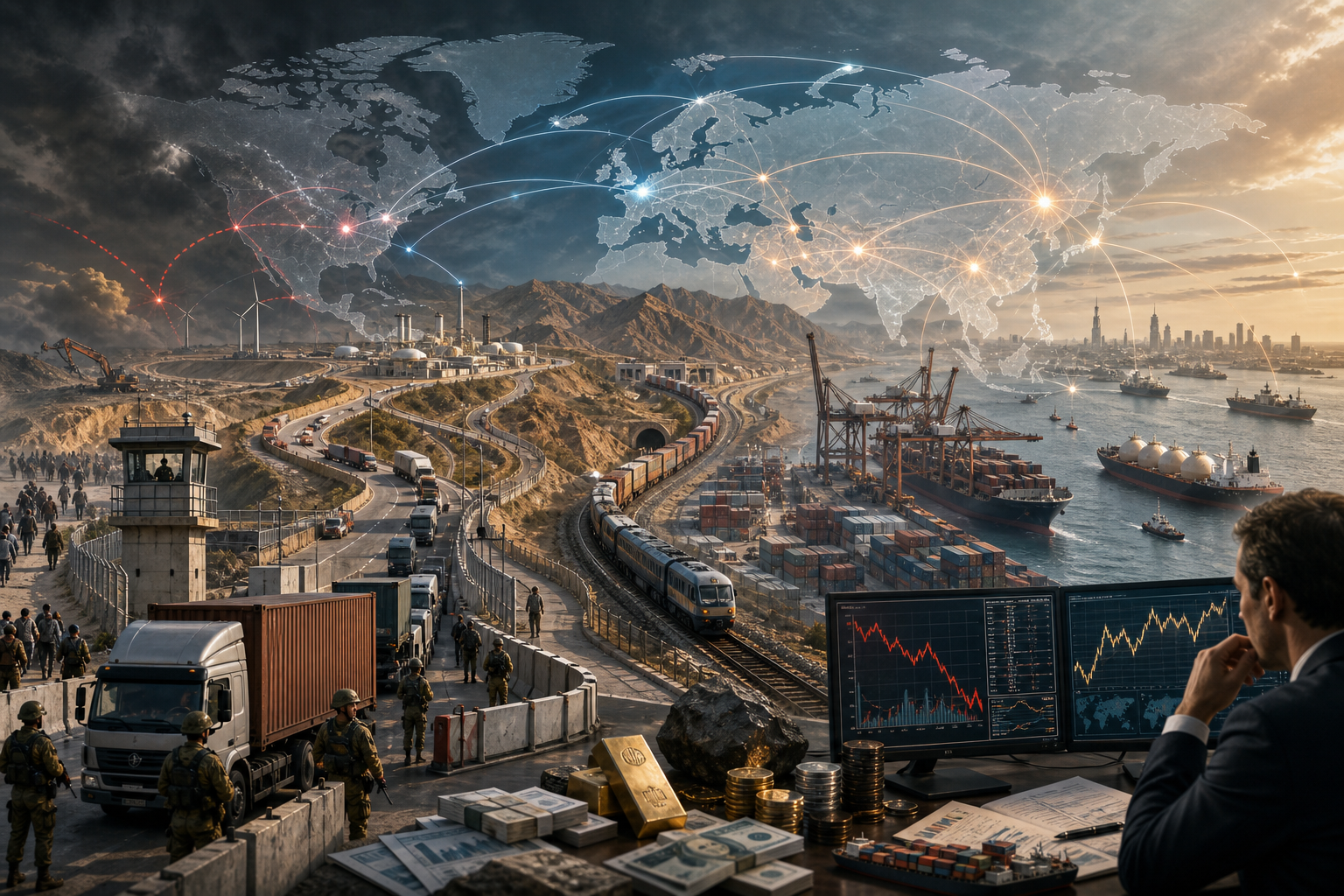
Ariana sits at a crossroads of trade routes and regional alliances. Its geographic location and infrastructure links—ports, rail corridors, and border crossings—mean that disruptions there can quickly affect supply chains across neighboring countries and beyond. Even without being a major global exporter, a country’s position in logistics and transit can amplify its economic relevance.

Beyond geography, Ariana’s natural resources, labor pool, and nascent industries attract foreign direct investment (FDI). When political signals change—whether through governance reforms, security incidents, or shifts in diplomatic alignment—investors recalibrate the risks they assign to assets in and around Ariana. That recalibration appears in currency movements, bond yields, and cross-border investment flows.
How regional stability in Ariana transmits to markets
Market reactions to developments in Ariana follow several predictable channels:

-
Trade and supply chains: Delays or closures of transit routes raise costs and force rerouting. This can increase shipping times and freight rates, affecting prices for manufactured goods and raw materials globally.
-
Commodity prices: If Ariana is a source or transit route for key commodities (energy, minerals, agricultural products), instability can tighten supply expectations and push commodity prices upward.
-
Financial markets: Increased political risk is priced into sovereign bonds and local currencies. Higher risk premiums can force governments and companies to pay more to borrow, slowing investment and growth.
-
Investment flows: Uncertainty reduces appetite for long-term commitments. FDI can be paused or redirected to more stable jurisdictions, affecting job creation and local economic development.
-
Insurance and logistics costs: Elevated security risk raises insurance premiums for shipping and projects, which feeds into end consumer prices and business margins.
Spillover effects beyond Ariana
Instability rarely remains contained. Regional neighbors may experience:
- Refugee and migration pressures that stress public services and labor markets.
- Cross-border trade reductions that harm export-dependent economies.
- Heightened military spending or border security investments that divert public resources.
- Political contagion as domestic actors in neighboring states react, sometimes by shifting policies toward riskier or more protectionist stances.
For international markets, these spillovers mean that investors and firms must look beyond headline events to the broader geopolitical ecosystem surrounding Ariana.

What market participants are watching
Analysts and decision-makers focus on a few measurable indicators to assess the likely market impact:
- Political risk indices and conflict-monitoring data.
- Movements in Ariana’s currency and sovereign bond spreads.
- Trade volumes through key transit nodes and port throughput statistics.
- Commodity export and transit volumes connected to Ariana.
- Announcements of sanctions, aid packages, or military support from major powers.
These indicators help quantify risk and shape scenarios for hedging, diversification, and contingency planning.
Practical implications for businesses and policymakers
Businesses with exposure to the region should consider:
- Stress-testing supply chains and identifying alternative routes or suppliers.
- Increasing visibility into inventory and logistics to respond quickly to disruptions.
- Adjusting contractual terms to account for higher insurance and transport costs.
Policymakers and investors can respond by:
- Supporting regional stability through diplomatic engagement and development assistance that addresses root causes of instability.
- Creating financial instruments—such as risk-sharing facilities—that lower the cost of capital for infrastructure projects in transit-critical areas.
- Encouraging transparency and governance reforms in Ariana to reduce uncertainty and attract long-term investment.
Conclusion
The renewed attention on Ariana underscores a simple truth: regional stability is a cornerstone of predictable international markets. Even countries that are not economic powerhouses can exert outsized influence through strategic geography, resource links, or political dynamics. For global investors, businesses, and policymakers, the lesson is to monitor regional flashpoints proactively, integrate geopolitical risk into planning, and build resilient systems that can absorb localized shocks. In a tightly connected world, what happens in Ariana no longer stays in Ariana—it moves through markets, borders, and balance sheets across the globe.