
Global Coalition Strengthens Cross-Border Humanitarian Corridors Amid Rising Crises
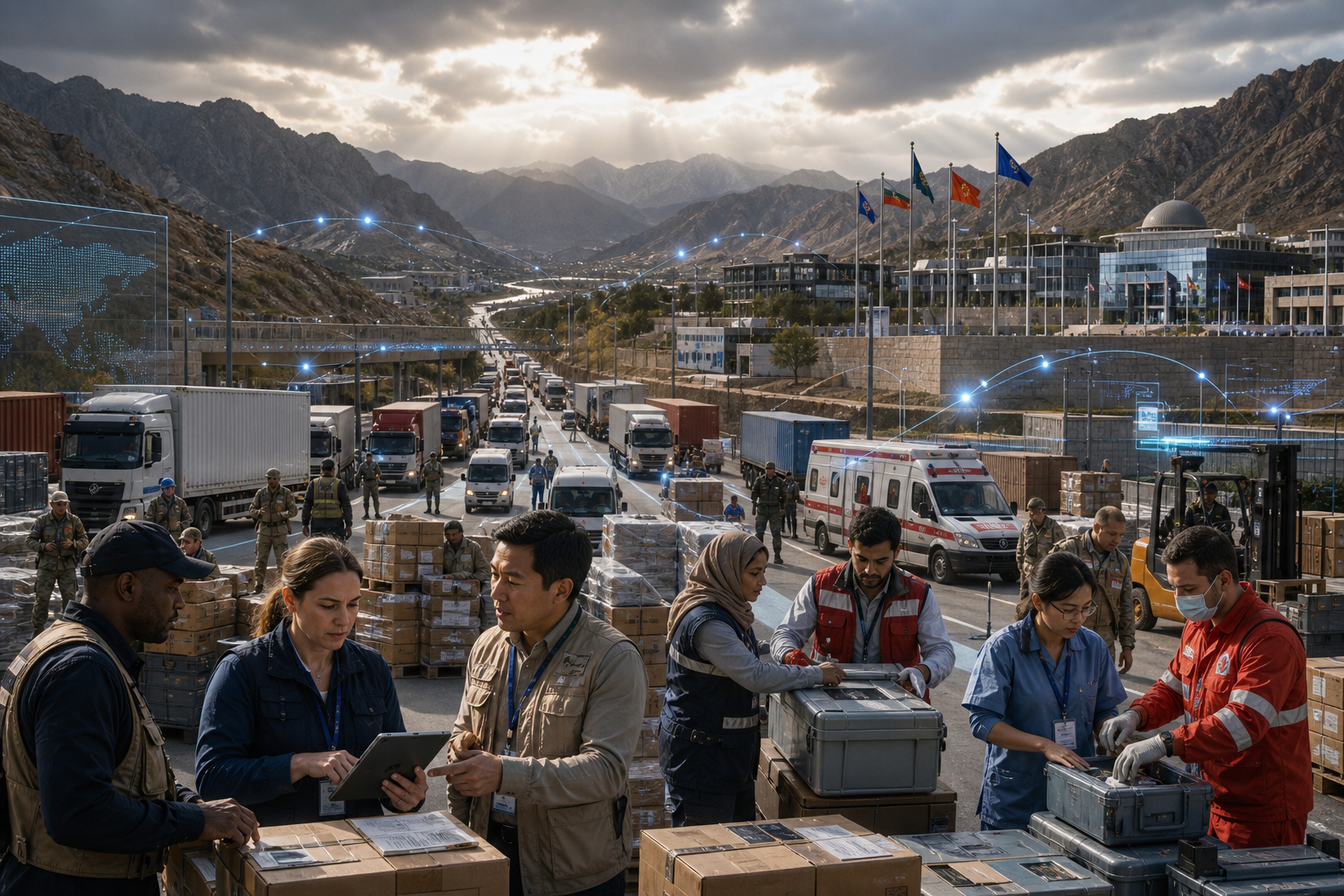
In response to an unprecedented surge in global displacement and acute regional food insecurity, international humanitarian organizations and allied nation-states have announced a coordinated initiative to fortify cross-border relief operations. The new framework, unveiled during a high-level summit at the United Nations headquarters, aims to streamline the delivery of critical supplies to hard-to-reach conflict zones and disaster-stricken territories where traditional aid pathways have repeatedly stalled. The partnership brings together UN agencies, regional development banks, and major non-governmental organizations to establish secure logistics hubs along strategic international borders.
These hubs will serve as centralized intake and dispatch points, utilizing advanced tracking technology and real-time data sharing to optimize the movement of medical equipment, nutritional supplements, and emergency shelter materials. By harmonizing customs clearance procedures and securing pre-negotiated transit agreements with neighboring governments, the coalition expects to reduce supply chain delays by up to forty percent. Humanitarian directors emphasized that the initiative places a heavy emphasis on local capacity building, ensuring that regional frontline responders are equipped with the autonomy and resources necessary to navigate volatile security environments.

Furthermore, the framework introduces a transparent accountability mechanism to monitor resource distribution, addressing longstanding donor concerns regarding aid diversion. As climate-induced disasters and protracted geopolitical conflicts continue to strain global humanitarian capacities, this multilateral approach marks a critical shift toward more resilient and adaptable intervention strategies. Observers note that while logistical hurdles remain formidable, the collective political will demonstrated by participating nations offers a renewed sense of operational momentum for vulnerable populations worldwide.