
Global Coalitions Strengthen Cross-Border Humanitarian Aid Amid Escalating Crises
In an era defined by overlapping geopolitical tensions, climate-induced disasters, and protracted conflicts, international organizations and regional governments are fundamentally transforming cross-border humanitarian efforts.
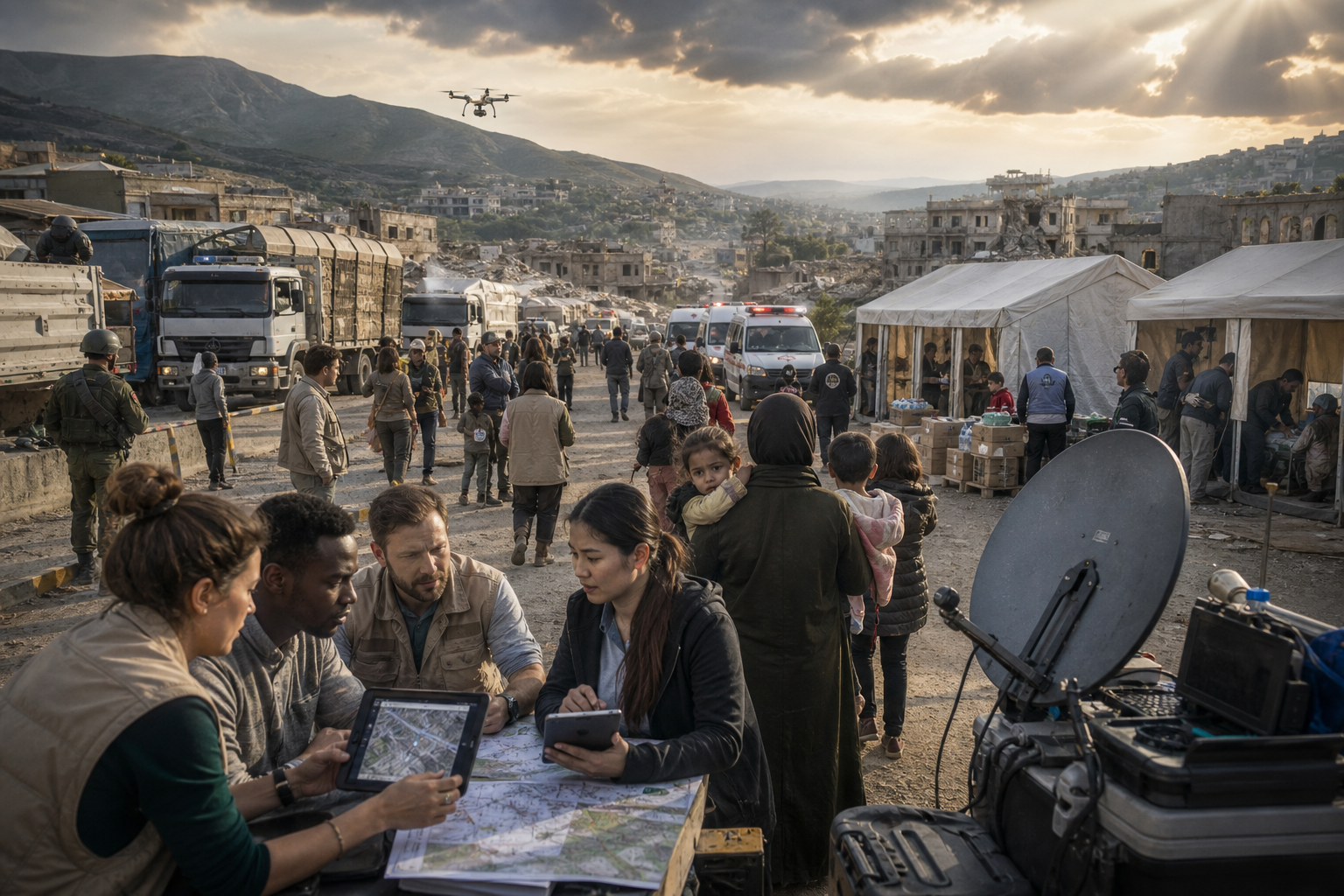
Recognizing that traditional aid delivery models often face severe bureaucratic and logistical bottlenecks, humanitarian agencies are forging innovative coalitions to ensure life-saving assistance reaches vulnerable populations in hard-to-reach areas. Recent high-level summits in Geneva have underscored the urgent need for streamlined logistics, shared intelligence, and enhanced cooperation between state actors and local non-governmental organizations (NGOs).

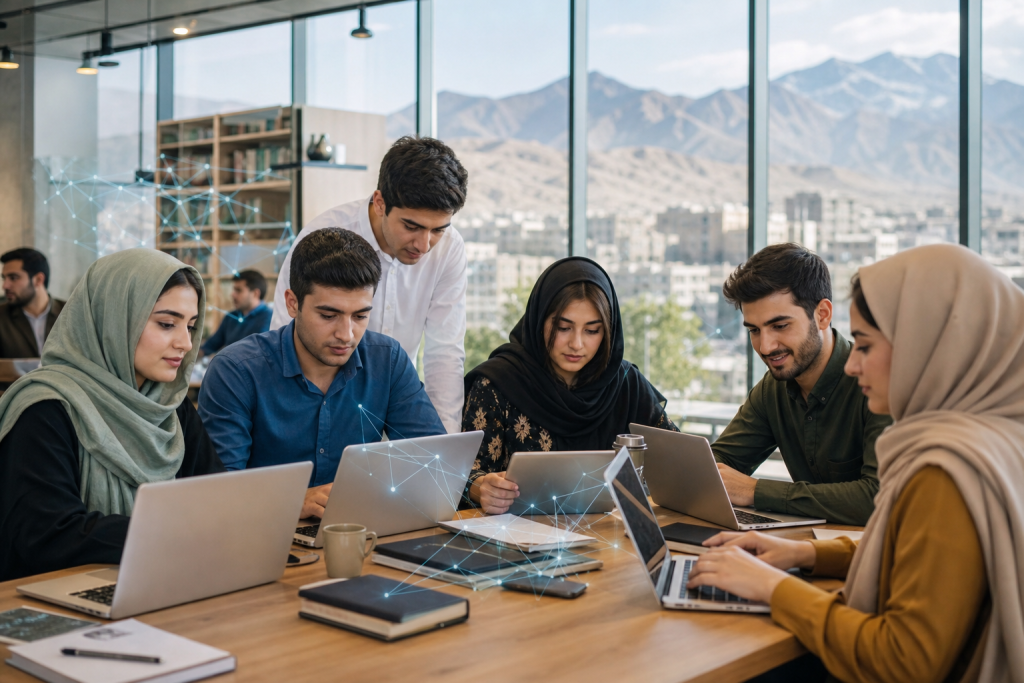
A cornerstone of this modern approach is the leverage of advanced digital technologies. Real-time data sharing platforms now allow logistics coordinators to track supply chains across volatile borders, minimizing delays and ensuring transparency in resource allocation. Furthermore, agencies are increasingly relying on localized networks, empowering communities on the ground to distribute aid efficiently where international personnel cannot safely tread.
Financial architectures are also evolving. Donors are shifting toward flexible, multi-year funding models that enable humanitarian groups to pivot rapidly in response to sudden-onset emergencies without waiting for emergency bureaucratic reallocations. Despite these advancements, significant hurdles remain.

Border closures, visa restrictions for aid workers, and escalating security threats continue to jeopardize humanitarian corridors in several critical regions. United Nations officials have repeatedly called for absolute respect for international humanitarian law, emphasizing that aid delivery should never be politicized or used as a strategic lever in conflicts.
As the international community looks toward the remainder of the decade, the success of global humanitarian efforts will hinge on sustained multilateral cooperation and unwavering political will.

By breaking down traditional jurisdictional silos and prioritizing human dignity above geopolitical disputes, stakeholders hope to build a more resilient and responsive global safety net for millions of displaced and distressed individuals worldwide.