
Ariana Global News: Preserving Central Asian Pottery: Female Artisans Keeping Silk Road Ceramics Alive
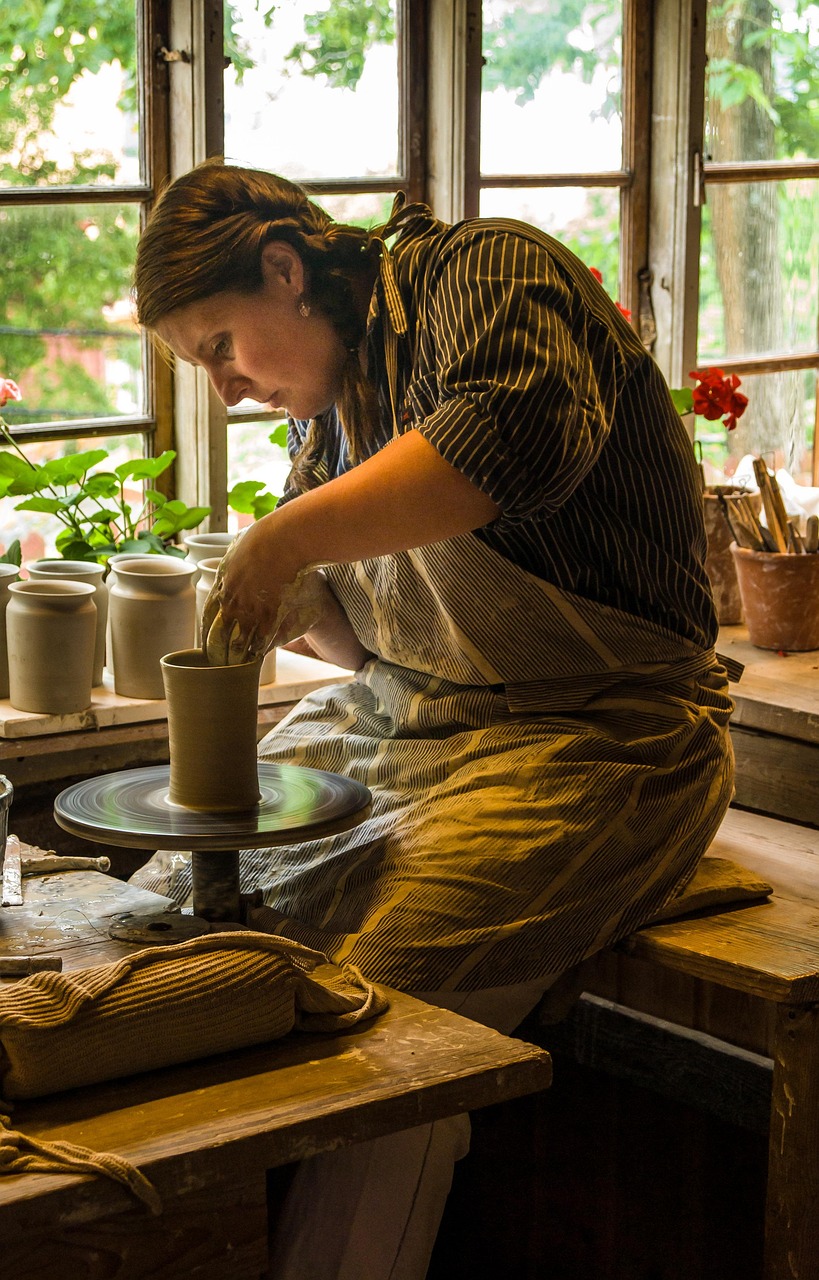
For centuries, pottery has been an important part of Central Asian cultural heritage. From handmade bowls and water vessels to colorful decorative tiles, ceramics reflect the creativity, history, and daily lives of communities along the ancient Silk Road. Today, female artisans continue to help preserve these traditions, passing valuable skills to younger generations while finding new ways to keep traditional craftsmanship alive.
The Historical Legacy of Central Asian Pottery

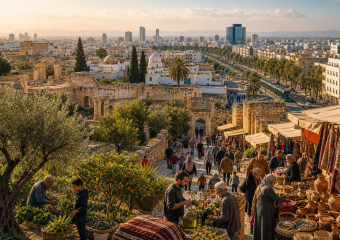
The Silk Road connected communities across Asia, the Middle East, and Europe through trade and cultural exchange. Along these routes, merchants exchanged not only silk and spices but also artistic ideas, decorative patterns, and craft techniques. Pottery became an important part of this shared cultural history.
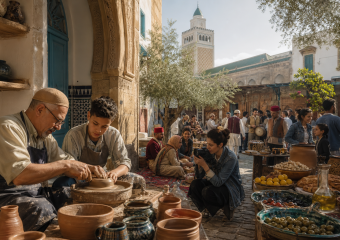
Historic cities such as Herat, Samarkand, and Bukhara are associated with rich artistic traditions. Craftspeople created plates, bowls, jars, and ceramic tiles decorated with geometric shapes, floral patterns, and vivid colors. These objects served practical purposes while expressing the artistic identity of their communities. Traditional pottery therefore remains an important way to understand the history and creativity of the region.

Women as Guardians of Traditional Craftsmanship
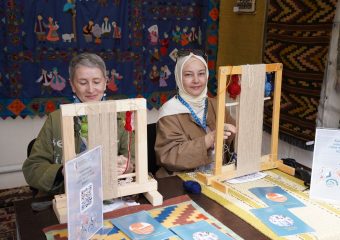
Women artisans contribute to preserving traditional crafts through their knowledge, creativity, and dedication. In some communities, skills are passed from mothers to daughters and from experienced artisans to younger learners. These skills may include preparing materials, shaping clay, decorating ceramic surfaces, and recognizing traditional patterns.

Pottery requires patience and experience. Artisans must understand how clay behaves, how objects should be shaped, and how designs can be applied to create beautiful and useful products. Their knowledge represents more than a technical skill; it also carries family memories and cultural traditions.
By continuing to practice and teach these techniques, women help ensure that traditional pottery remains part of everyday life. Their work connects younger generations with the artistic heritage of their ancestors.
Challenges Facing Female Artisans
Despite its cultural importance, traditional pottery faces several challenges. Handmade ceramics must compete with factory-produced goods that are often cheaper and easier to find. Artisans may also struggle to access materials, suitable workshops, training, and reliable markets.
Women can face additional barriers when seeking business opportunities or promoting their work beyond their local communities. Without sufficient income and support, some may find it difficult to continue practicing their craft. Younger generations may also choose other careers if traditional pottery does not provide a sustainable livelihood.
Supporting female artisans requires recognizing the value of their work and creating fair opportunities for them to earn income from their skills.
Preserving Pottery for Future Generations
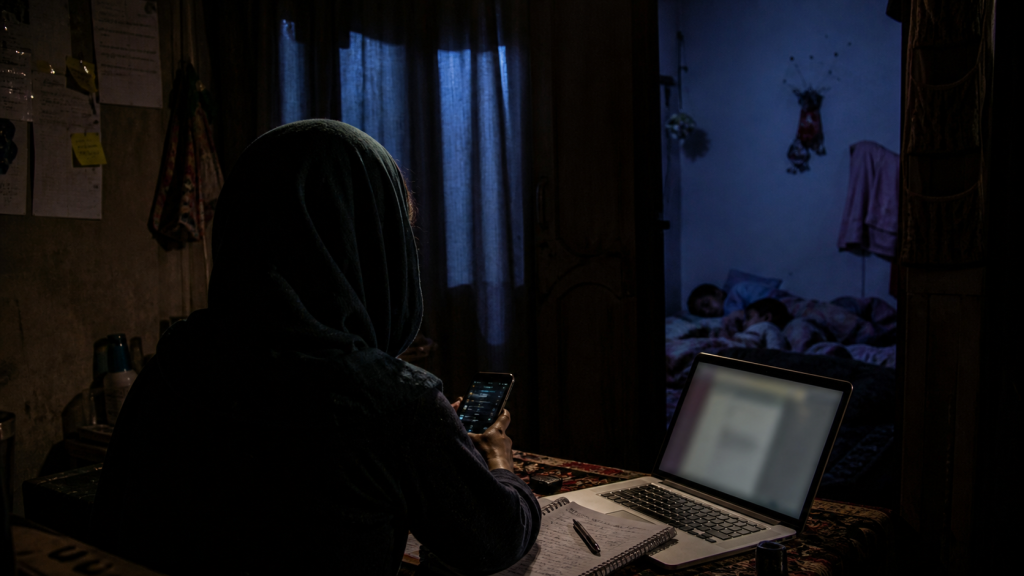
Modern technology can help traditional artisans reach wider audiences. Websites, social media, and online marketplaces allow craftspeople to display their ceramics, share their stories, and connect with potential customers. Photographs and videos can also document traditional methods and help introduce younger people to the craft.
Local workshops, cultural organizations, and educational programs can further support the preservation of pottery by creating opportunities for artisans to teach and learn from one another. These efforts should respect local traditions and ensure that artisans receive proper recognition and fair payment.
Central Asian pottery is more than a handmade product. It represents centuries of creativity, cultural exchange, and community knowledge. By supporting female artisans and encouraging younger generations to learn their skills, communities can help keep the ceramic traditions of the Silk Road alive for years to come.