
Next-Generation AI and Machine Learning Breakthroughs Redefine Technological Horizons
Recent advancements in artificial intelligence and machine learning are rapidly transforming the global technological landscape, shifting the paradigm from theoretical models to deeply integrated, practical applications.
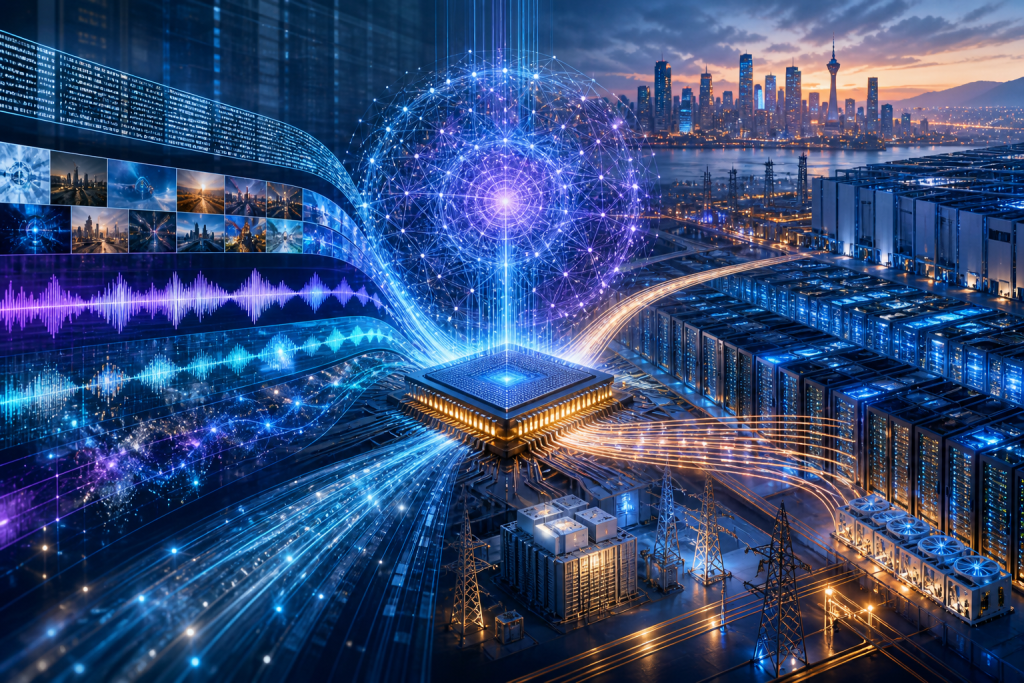
Researchers and engineers have unveiled a series of groundbreaking architectures that dramatically enhance reasoning capabilities, energy efficiency, and multimodal understanding. Unlike previous iterations that relied heavily on static datasets, modern systems leverage advanced self-supervised learning algorithms to process vast streams of unstructured data with unprecedented autonomy.

One of the most significant milestones in recent months is the emergence of highly efficient neural networks capable of executing complex cognitive tasks on edge devices rather than resource-intensive cloud servers. This decentralization not only drastically reduces operational latency but also mitigates privacy concerns by keeping sensitive user data local.
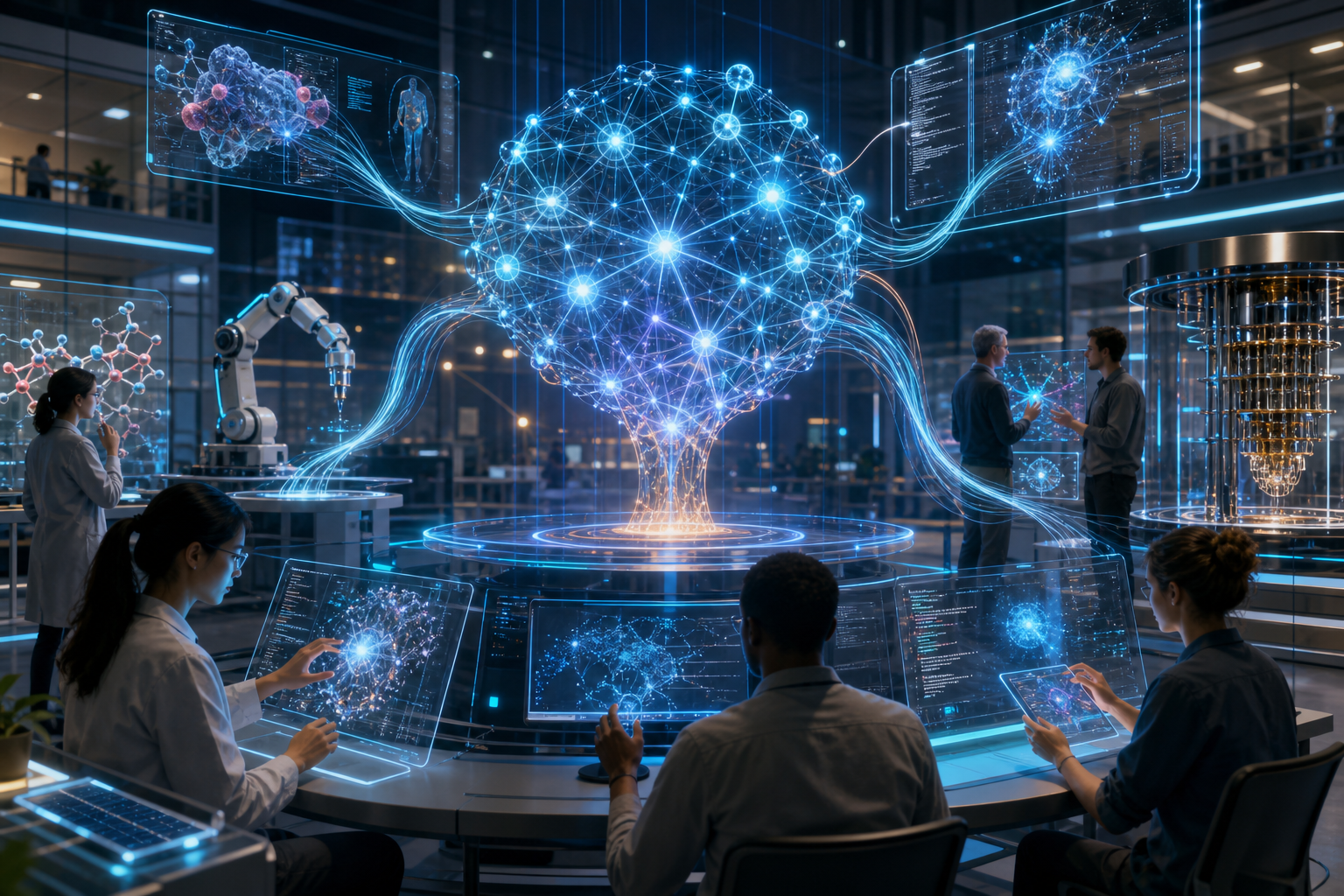
Furthermore, interdisciplinary breakthroughs bridging machine learning with quantum computing and biotechnology have opened up entirely new frontiers.

In the biomedical sector, AI-driven predictive modeling has accelerated drug discovery timelines from years to mere weeks, enabling researchers to simulate molecular interactions with remarkable precision.
Meanwhile, software development life cycles are undergoing a revolution as automated coding assistants evolve from simple autocomplete tools into collaborative engineering partners capable of architecture design and rigorous bug remediation. Industry leaders emphasize that these breakthroughs underscore a crucial transition toward more sustainable and adaptable artificial intelligence.

As regulatory frameworks evolve concurrently to ensure ethical deployment and algorithmic transparency, the focus is shifting firmly toward human-centric innovation. Organizations worldwide are now racing to incorporate these advanced tools into their core operations, signaling the dawn of a new era where intelligent systems act as foundational pillars for economic growth and scientific discovery.