
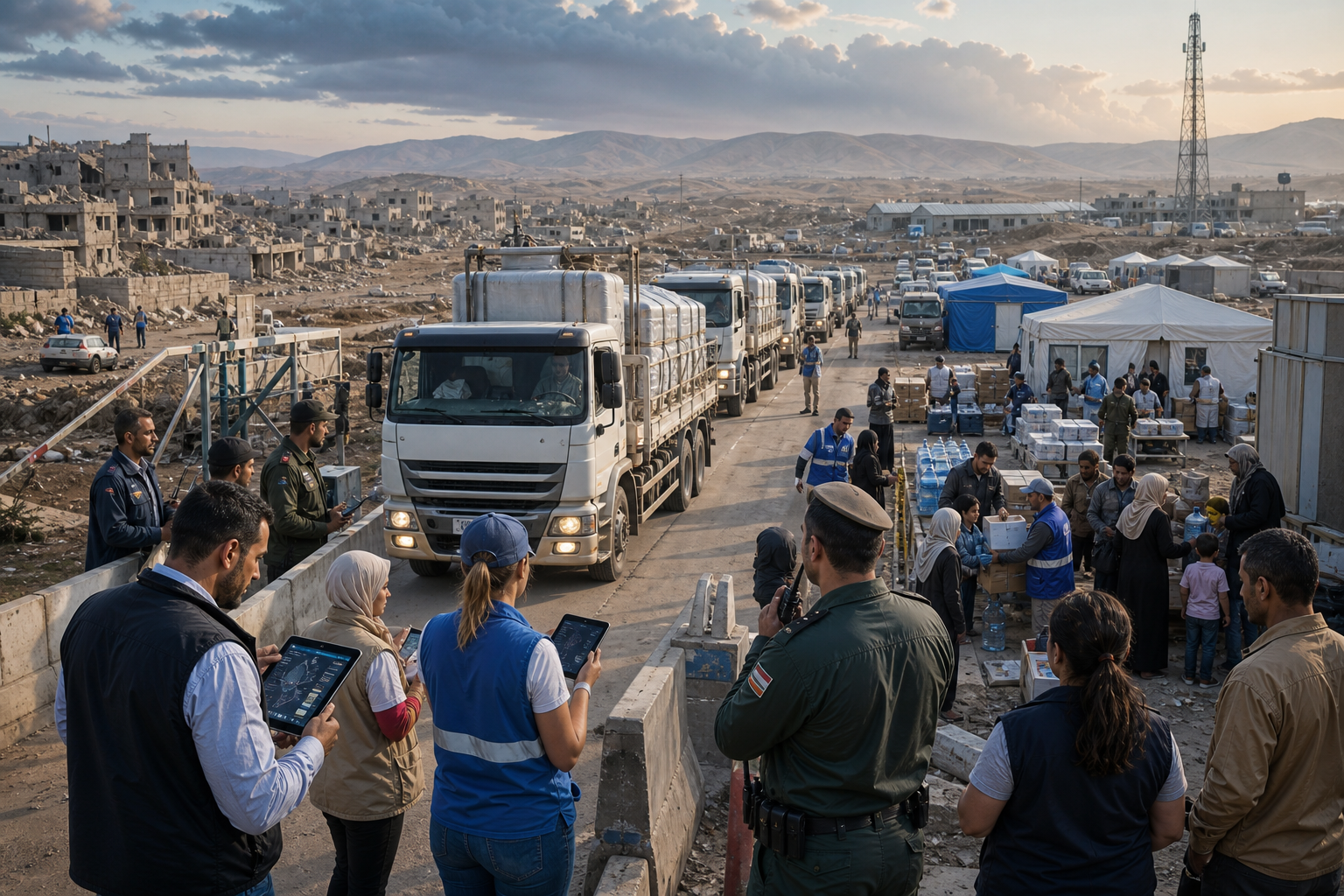
Global Coalition Expands Cross-Border Humanitarian Corridors to Reach Vulnerable Populations
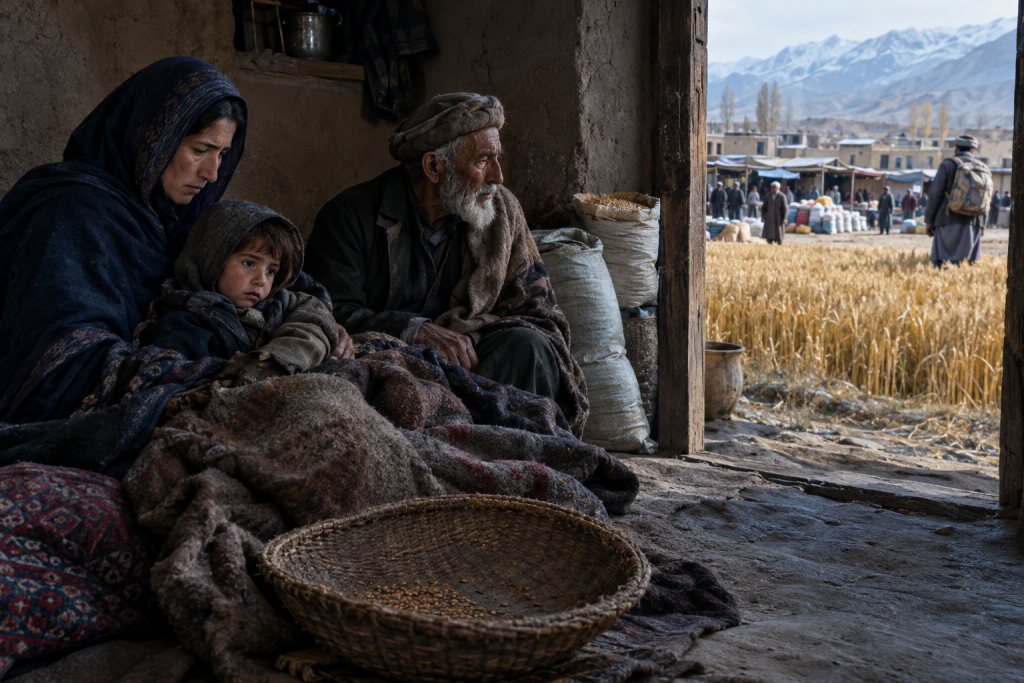
In an unprecedented display of international cooperation, a coalition of global relief agencies, neighboring governments, and local non-governmental organizations has successfully expanded cross-border humanitarian corridors.
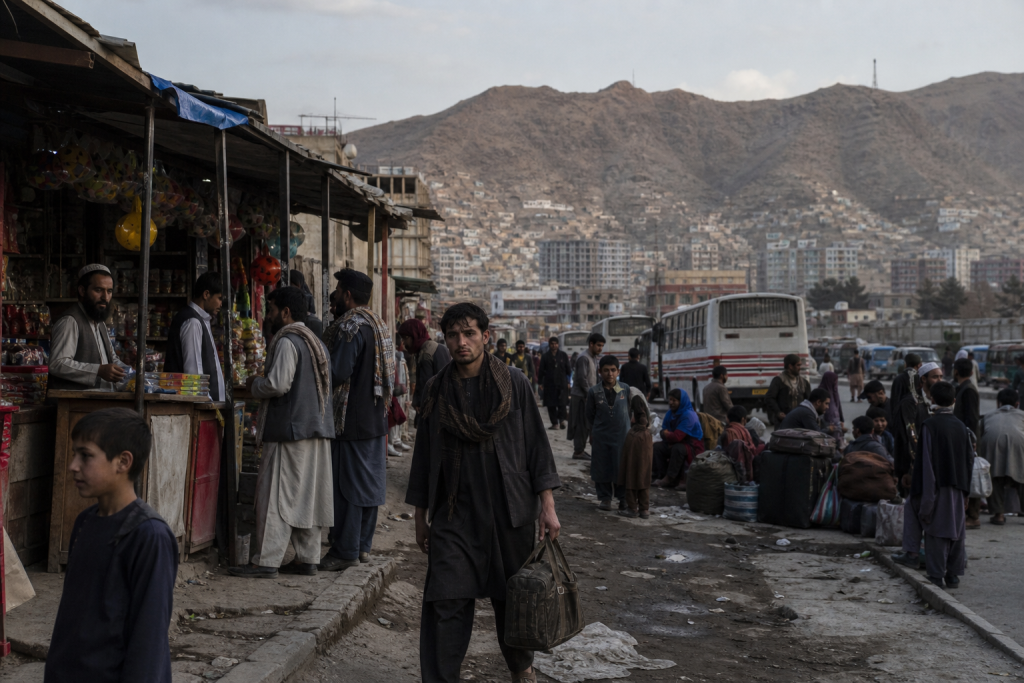
This vital initiative aims to deliver life-saving food, medical supplies, and clean water to millions of civilians trapped in conflict zones and regions severely affected by climate-induced disasters. The newly coordinated effort bypasses traditional bureaucratic bottlenecks that have historically delayed emergency responses, ensuring that aid arrives swiftly where it is needed most.

According to United Nations relief coordinators, the expanded framework utilizes advanced logistics tracking and real-time security data sharing to safeguard aid workers while maximizing delivery efficiency.
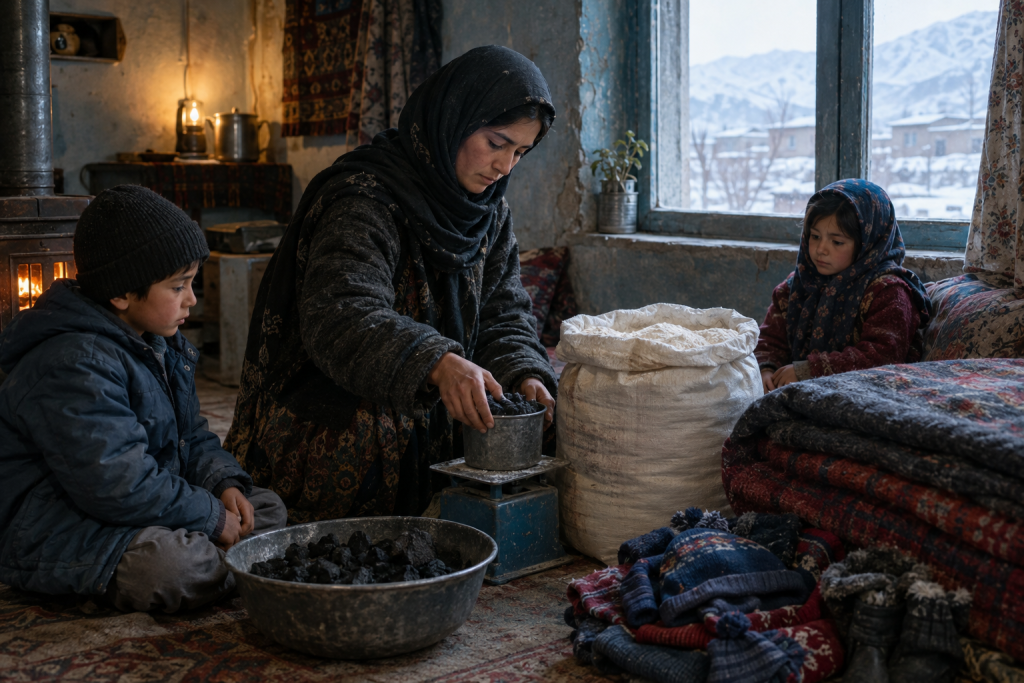
Humanitarian leaders emphasized that sustained access remains fragile, requiring continuous diplomatic engagement to guarantee the safety of supply routes. Local communities have already begun receiving essential shipments, offering a much-needed lifeline to families facing acute shortages.

As the international community looks toward long-term stabilization, policymakers are urging donors to increase funding for regional logistics hubs, which serve as the backbone for these complex cross-border operations.
The success of this current phase could pave the way for similar cooperative agreements in other protracted crisis zones around the globe, signaling a potential shift in how the international community addresses large-scale humanitarian emergencies.