
Afghan Families Return to a Country Struggling to Absorb a New Wave of Migration
Thousands of Afghans are returning from Iran as job losses, unpaid wages, rising living costs and economic pressures make it harder to remain there. Some leave voluntarily, while others face deportation or pressure to return without enough resources to rebuild their lives.
Afghanistan’s fragile economy and limited services are struggling to absorb the arrivals. Families need housing, employment, healthcare and education, while women and girls may lose access to opportunities they had in Iran. Effective reintegration support will be essential to prevent prolonged dependence on humanitarian aid.
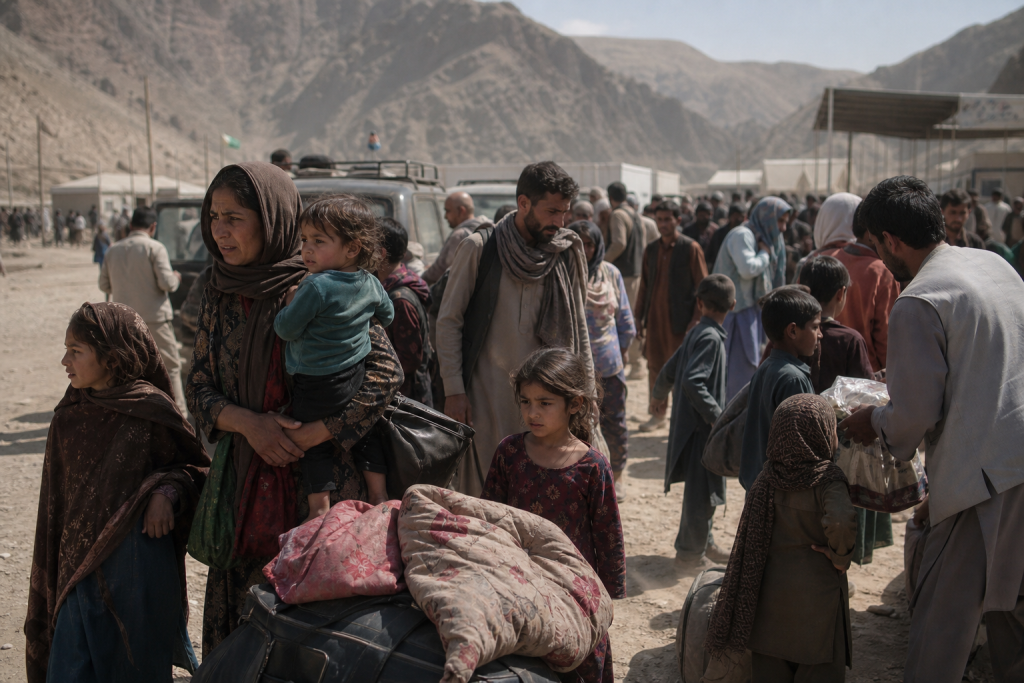
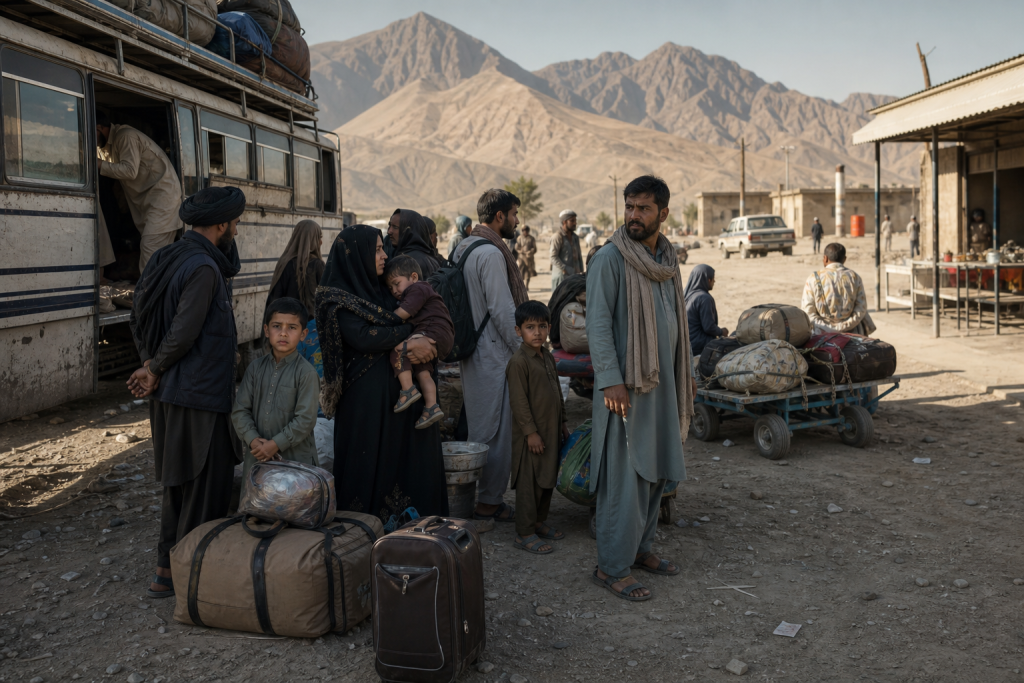
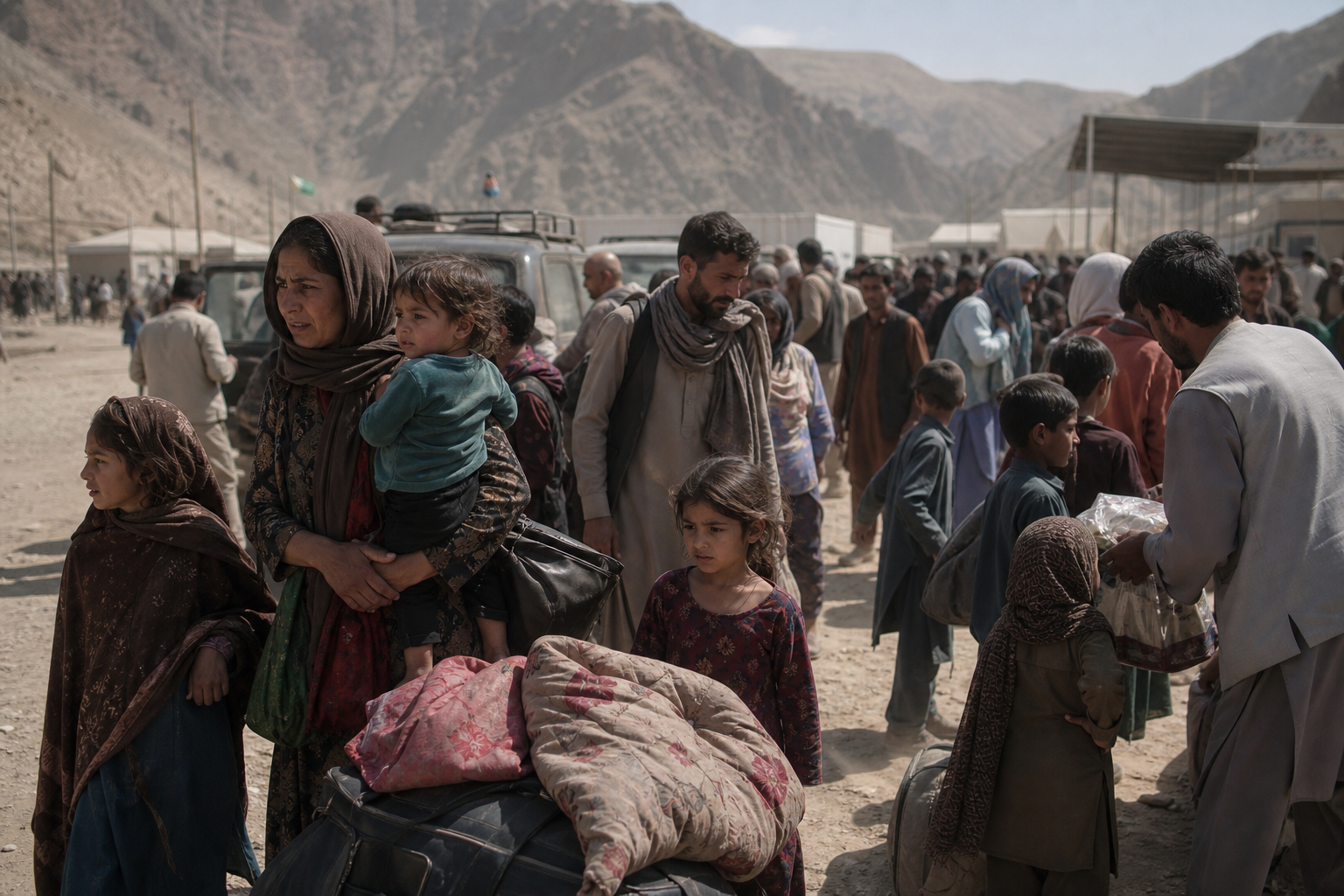
Thousands of Afghan migrants are returning from Iran as worsening economic conditions, rising living costs and declining employment opportunities make it increasingly difficult for many families to remain there. The latest movement is creating another challenge for Afghanistan, where communities are already struggling with limited jobs, poverty and pressure on basic services.
For many Afghans, Iran had become a place to work and support their families after leaving Afghanistan in previous years. But the sharp deterioration of Iran’s economy has changed those calculations. Reuters reported that some Afghan migrants lost their jobs or went unpaid, while the rapid fall in the value of the Iranian rial made food and other essential goods increasingly expensive.

The return is not the same for everyone. Some families are choosing to leave because they can no longer afford daily life in Iran, while others face deportation or other forms of pressure to return. This means that many people arriving at Afghanistan’s borders are doing so without the financial resources needed to rebuild their lives after years abroad.
The situation is particularly difficult for families with children and for women and girls. Some Afghan women who had opportunities to study or work in Iran now face a very different environment after returning to Afghanistan. Restrictions on education and employment for women and girls can make it harder for families to establish stable lives and secure a reliable income.
Afghanistan also faces the challenge of absorbing large numbers of returnees at a time when its economy remains fragile. New arrivals need housing, employment, healthcare, education and other basic services. When many families return to the same communities at once, local resources can come under additional pressure, particularly in border provinces and areas already affected by poverty.
The latest returns therefore represent more than a movement of people across Afghanistan’s borders. They highlight the difficult choices facing Afghan families caught between economic uncertainty abroad and limited opportunities at home. Without sufficient employment and reintegration support, many returnees could remain dependent on humanitarian assistance or struggle to rebuild sustainable livelihoods.

For Afghanistan, the central challenge will be turning return into long-term reintegration. As more families arrive, their ability to find work, secure housing and provide education for their children will determine whether they can rebuild their lives or face another cycle of displacement.