
After Assad: How Syria’s Power Shift Is Reshaping the Fight Against ISIS
The fall of Bashar al-Assad’s government reshaped Syria’s security environment without eliminating ISIS. The group has shifted from territorial control to small-cell operations and attacks on transitional government institutions, exploiting political tensions, weak security and gaps in state authority.
Syria’s integration of Kurdish forces and restructuring of detention facilities have created risks of escapes and renewed ISIS activity. The transitional government must strengthen institutions, manage armed-group integration and address the status of detainees and displaced families to prevent the group’s resurgence.

The fall of Bashar al-Assad’s government in December 2024 changed Syria’s political and security landscape, but it did not remove the threat posed by the Islamic State, also known as ISIS or ISIL. Instead, the group has been forced to operate in a very different environment as Syria’s new authorities attempt to rebuild state institutions and bring competing armed groups under central control.
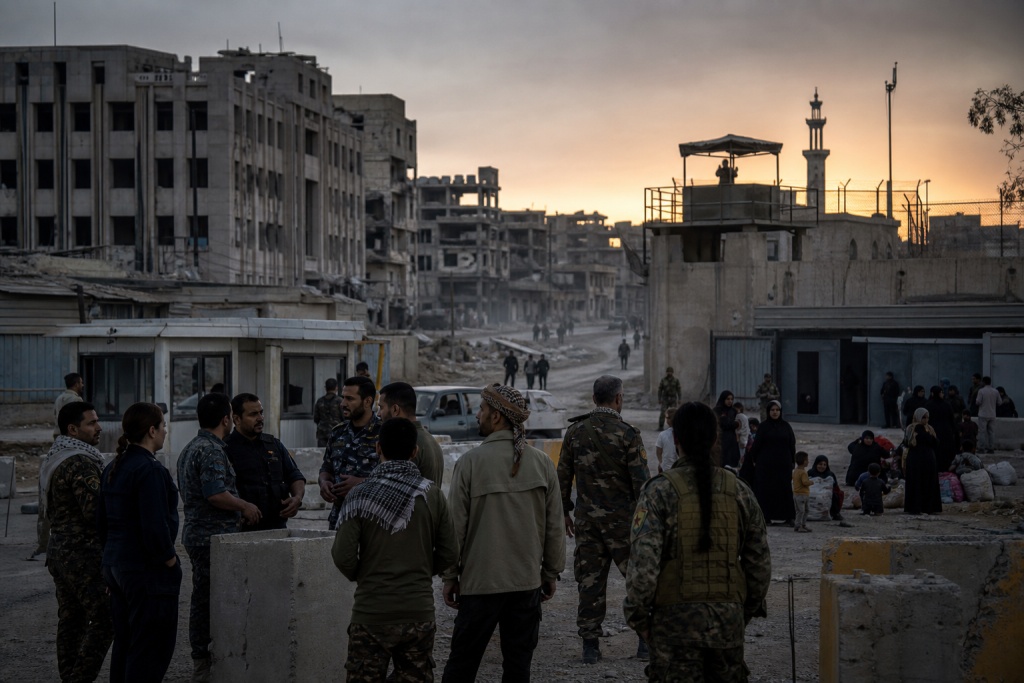
During Assad’s rule, the fight against ISIS involved several local and international forces operating in different parts of Syria. One of the most important actors was the Kurdish-led Syrian Democratic Forces, which controlled large areas in the northeast and held thousands of suspected ISIS members and their families. The political transition has changed that arrangement significantly.
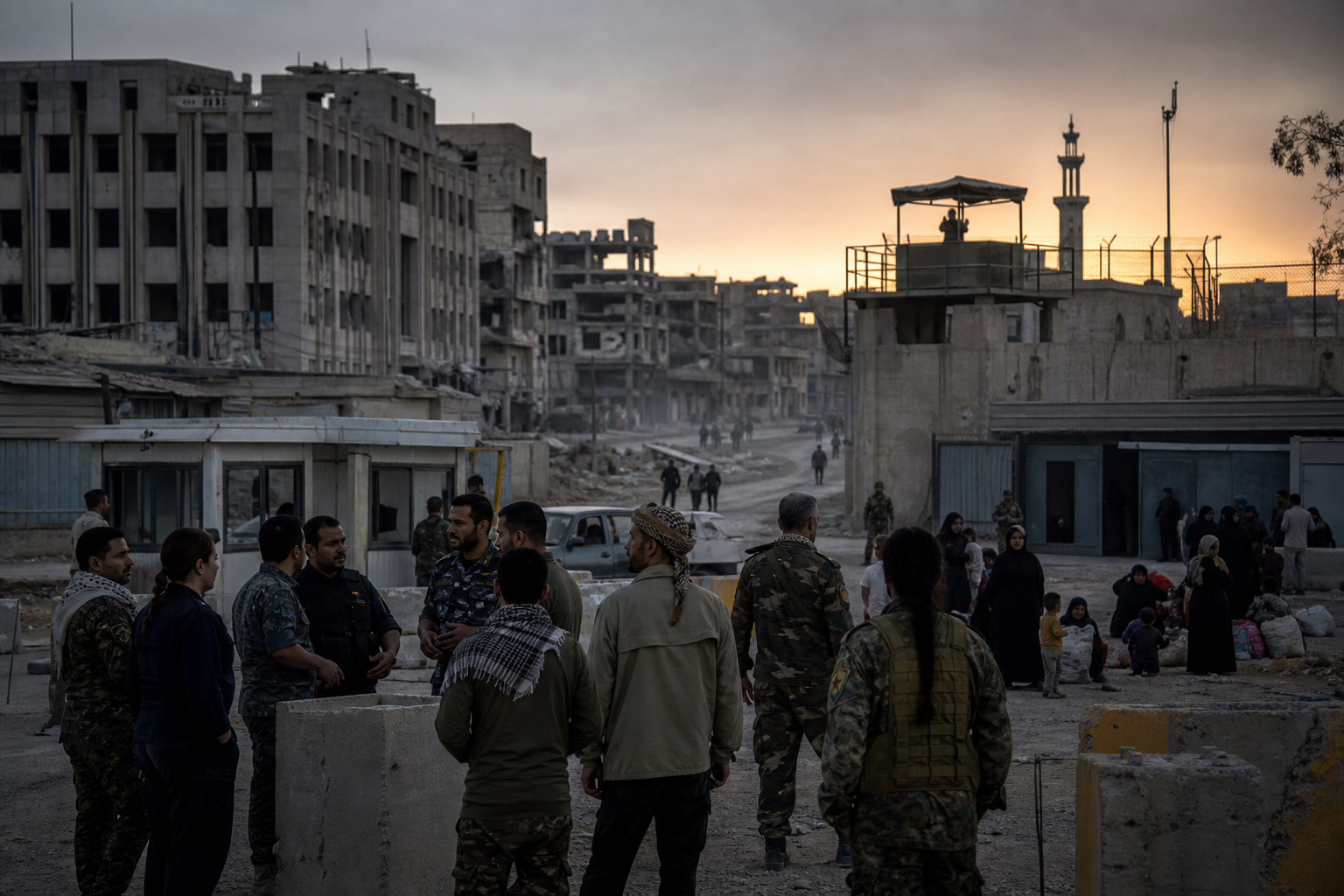
In 2026, Syrian government forces expanded their presence in parts of the northeast following agreements with Kurdish forces. The SDF’s integration into state structures has altered the security system that previously managed many areas where ISIS had operated. Analysts have warned that changes around detention facilities and security responsibilities could create opportunities for some ISIS members to escape or reorganize.
Despite these challenges, ISIS is no longer operating as the territorial organization it was several years ago. The group lost its territorial caliphate and now relies mainly on small cells and hit-and-run attacks. A recent UN assessment estimated that up to 3,000 ISIS fighters remain in Syria. The group has increasingly targeted military, political and religious sites rather than attempting to control large areas of territory.
The change in government has also given ISIS a new target. Instead of focusing primarily on Kurdish forces, the group has increasingly attacked the institutions and security forces of the transitional government. Security analysts have recorded a decline in ISIS activity during 2026, but the group has continued to exploit weak security areas, political tensions and gaps in state control.
Another major concern is the fate of people detained because of alleged links to ISIS. Thousands of suspected fighters remain in detention, while thousands of women and children associated with former ISIS members have been affected by the closure and restructuring of camps in northeastern Syria. The handling of these facilities remains an important part of Syria’s counterterrorism challenge.
The experience of post-Assad Syria shows that defeating ISIS is not simply a military question. The new government must establish effective security institutions while managing ethnic and political tensions, integrating armed groups and preventing detention facilities from becoming sources of further instability. If these challenges are managed successfully, ISIS could remain under pressure. If major security gaps emerge, however, the group could find new opportunities to rebuild its networks.