
Ariana Global News: The Sacred Threads of Heritage: How Ancient Silk and Tapestry Weaving Endures Among Afghan Women
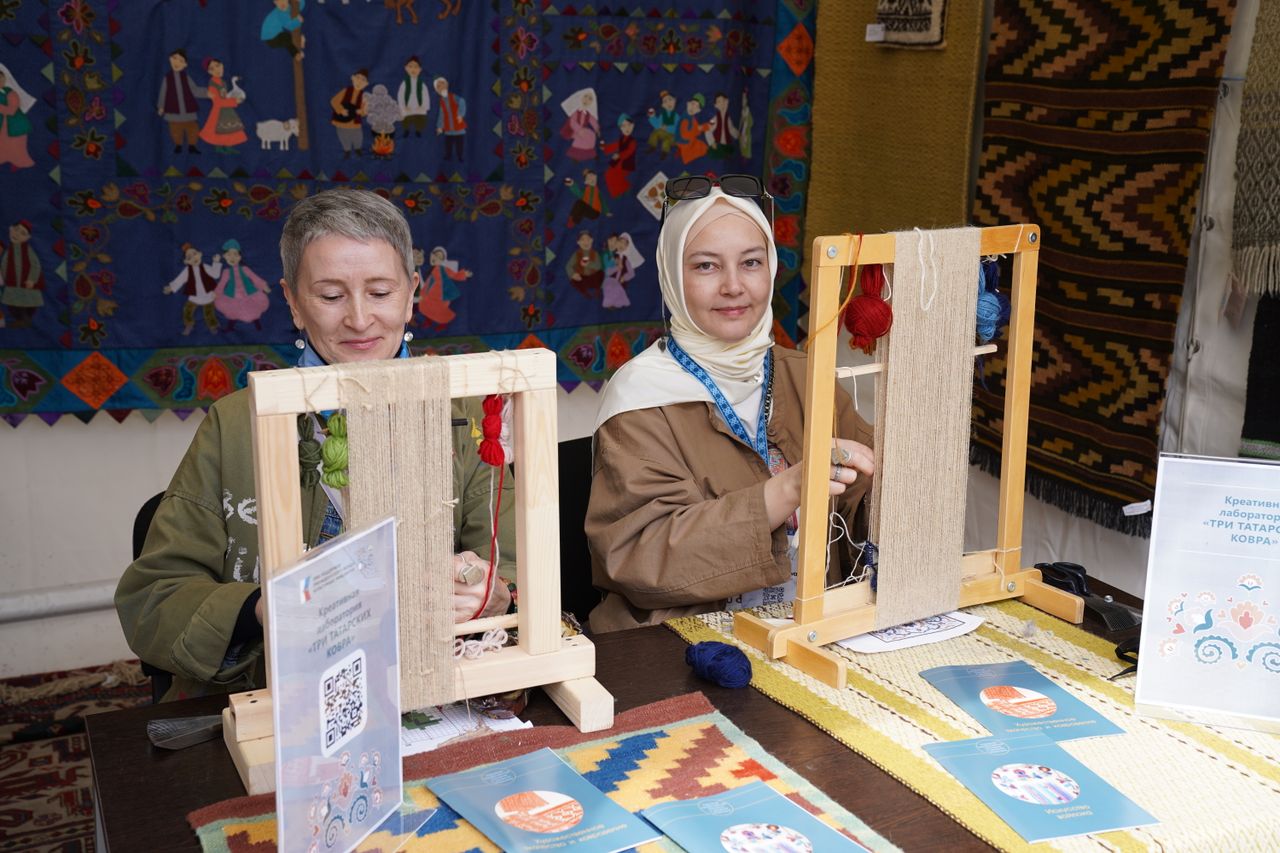
Across Afghanistan, the art of weaving continues to connect generations of women to a cultural heritage shaped by centuries of craftsmanship. From silk threads to intricate tapestry patterns, traditional textile work remains more than a way to create beautiful fabrics. For many Afghan women, it is a form of cultural expression, a source of income, and a way to preserve stories and skills passed from mothers and grandmothers to younger generations.
Afghanistan has a long history of textile production and handcrafts. Different regions have developed distinctive colors, patterns, techniques, and materials, reflecting local traditions and communities. Silk, wool, cotton, and other fibers can be transformed by skilled hands into textiles used for clothing, decoration, and traditional crafts. The designs often draw inspiration from nature, geometric forms, family traditions, and the visual language of Afghan culture.

For women who practice weaving and embroidery, the craft can provide an opportunity to work from home and contribute to household livelihoods. In communities where employment opportunities may be limited, handmade textiles can offer a practical path to earning money while maintaining a connection to traditional skills. Some women also teach these techniques to relatives and younger members of their communities, helping ensure that knowledge is not lost.
The importance of Afghan weaving is not only economic. Each handmade piece can carry elements of memory and identity. A pattern learned from an older family member may be repeated, adapted, and given new meaning by the next generation. In this way, weaving becomes a living tradition rather than something preserved only in museums or historical records.

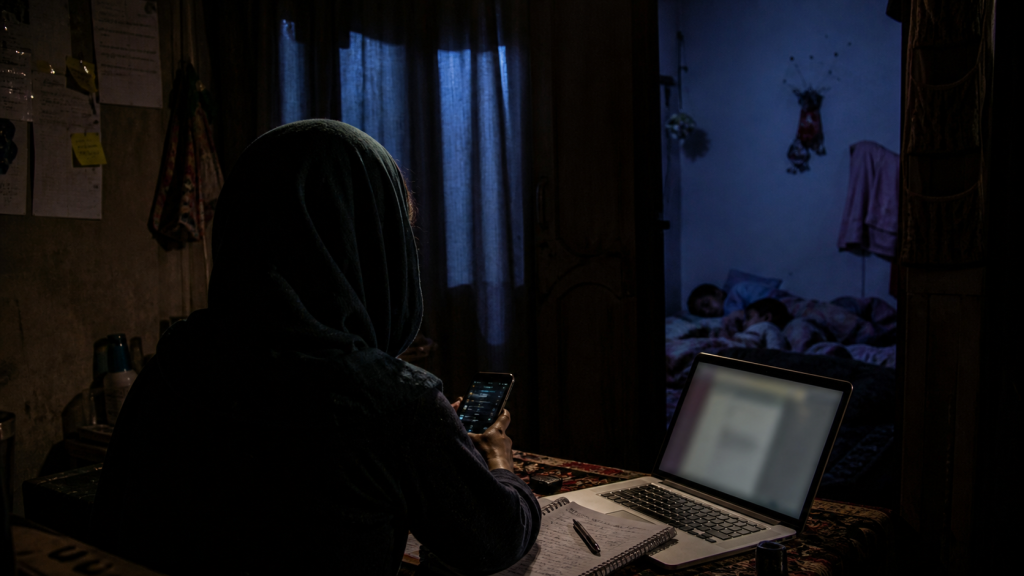
Modern technology is also creating new possibilities for traditional crafts. Social media, online marketplaces, digital storytelling, and international networks can help artisans introduce Afghan textiles to audiences beyond their local communities. Better access to markets may allow women to reach customers directly, learn about demand, and present their work to a wider audience while retaining control over their craft.
At the same time, traditional weaving faces challenges. Access to quality materials, markets, training, and stable income can be difficult. Handmade work also requires considerable time and skill, making it important for artisans to receive fair recognition and compensation for their labor. Supporting women-led craft businesses, documenting traditional techniques, and encouraging younger generations to learn weaving can help strengthen the future of this heritage.

Afghan women’s silk and tapestry weaving therefore represents more than an ancient craft. It is a continuing story of knowledge, creativity, resilience, and cultural identity. Every thread connects the past with the present, while every new generation has the opportunity to carry that tradition forward. Preserving these skills can help protect Afghanistan’s cultural heritage while creating meaningful opportunities for the women who keep it alive.