
Ariana Global News: Feeding the Future: How School Meal Programs Are Evolving Across the Region
For millions of children across the region, going to school is about more than education. It is also closely connected to access to nutritious food, health and a safe environment for learning. As governments, schools, communities and humanitarian organizations look for ways to improve children’s well-being, school meal programs are becoming an increasingly important part of the education system.
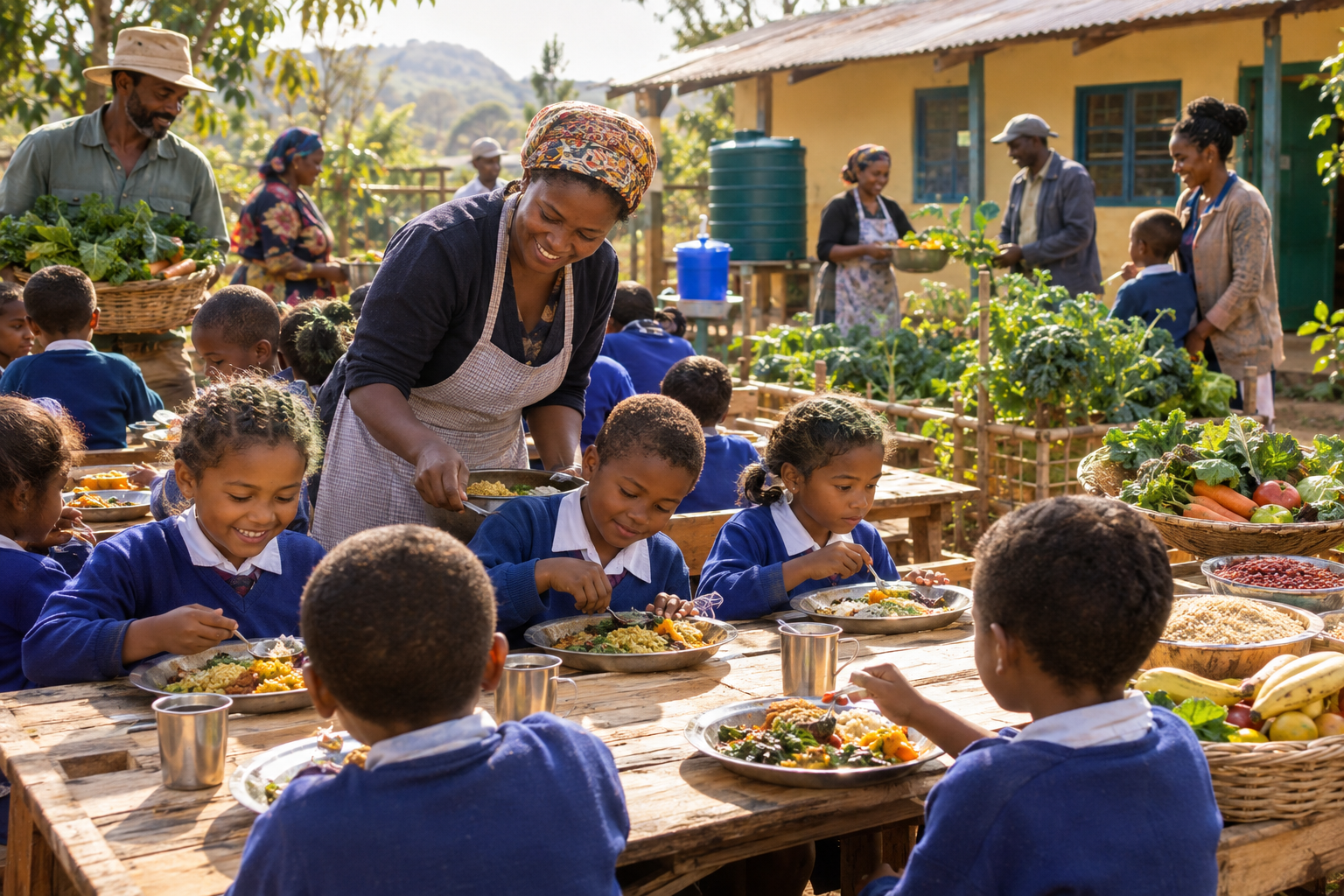
School meals can play a significant role in helping children stay focused during the school day. For students who may not have reliable access to nutritious food at home, a meal at school can provide important nutritional support while also encouraging regular attendance.

Across the region, approaches to school meals are changing. Traditional food assistance programs are increasingly being connected with broader goals such as nutrition education, local agriculture and community development. Instead of focusing only on providing food, some programs are looking at how school meals can become part of a longer-term strategy for healthier communities.
One important development is the growing interest in locally sourced food. Purchasing food from local farmers and producers can help schools provide fresh ingredients while supporting local economies. When carefully planned, these programs can create connections between education, agriculture and community livelihoods.

Nutrition education is another important part of the changing approach. Children can learn why balanced meals matter and how healthy eating habits can affect their growth, concentration and overall well-being. Schools can also involve teachers, parents and local communities in promoting better nutrition.
However, school meal programs continue to face challenges. Economic difficulties, food prices, humanitarian emergencies, limited infrastructure and disruptions to education can make it difficult to provide consistent meals. In some communities, schools may also lack kitchens, storage facilities or reliable access to clean water.

For these reasons, experts and policymakers increasingly emphasize the importance of sustainable and locally appropriate solutions. Successful school meal programs need to consider the specific needs of each community rather than relying on a single model for every location.
The benefits of school meals can extend beyond the classroom. When children are healthier and better nourished, they may be better prepared to participate in lessons and remain engaged with their education. For families facing economic pressure, school meals can also provide valuable support.
As countries across the region continue to address challenges related to education, food security and child well-being, school meal programs are likely to remain an important area of discussion. The future of these programs may depend on cooperation between governments, schools, communities, farmers, humanitarian organizations and families.
Ultimately, feeding children is not only about providing a meal. It is about creating better conditions for children to learn, grow and build a healthier future. By connecting nutrition with education and community development, school meal programs can become an important investment in the next generation.