
Ariana Global News: Intricate Embroidery of Ancient Khorasan: Preserving Afghanistan’s Traditional Needlework
Afghanistan’s traditional embroidery is more than decorative needlework; it is a living expression of cultural identity, artistic creativity, and generations of women’s knowledge. Across Afghanistan, embroidery has long been used to embellish clothing, scarves, household textiles, and ceremonial garments. Through intricate patterns and carefully chosen colors, artisans preserve traditions that connect families and communities to their cultural heritage.
A Tradition Passed from One Generation to the Next

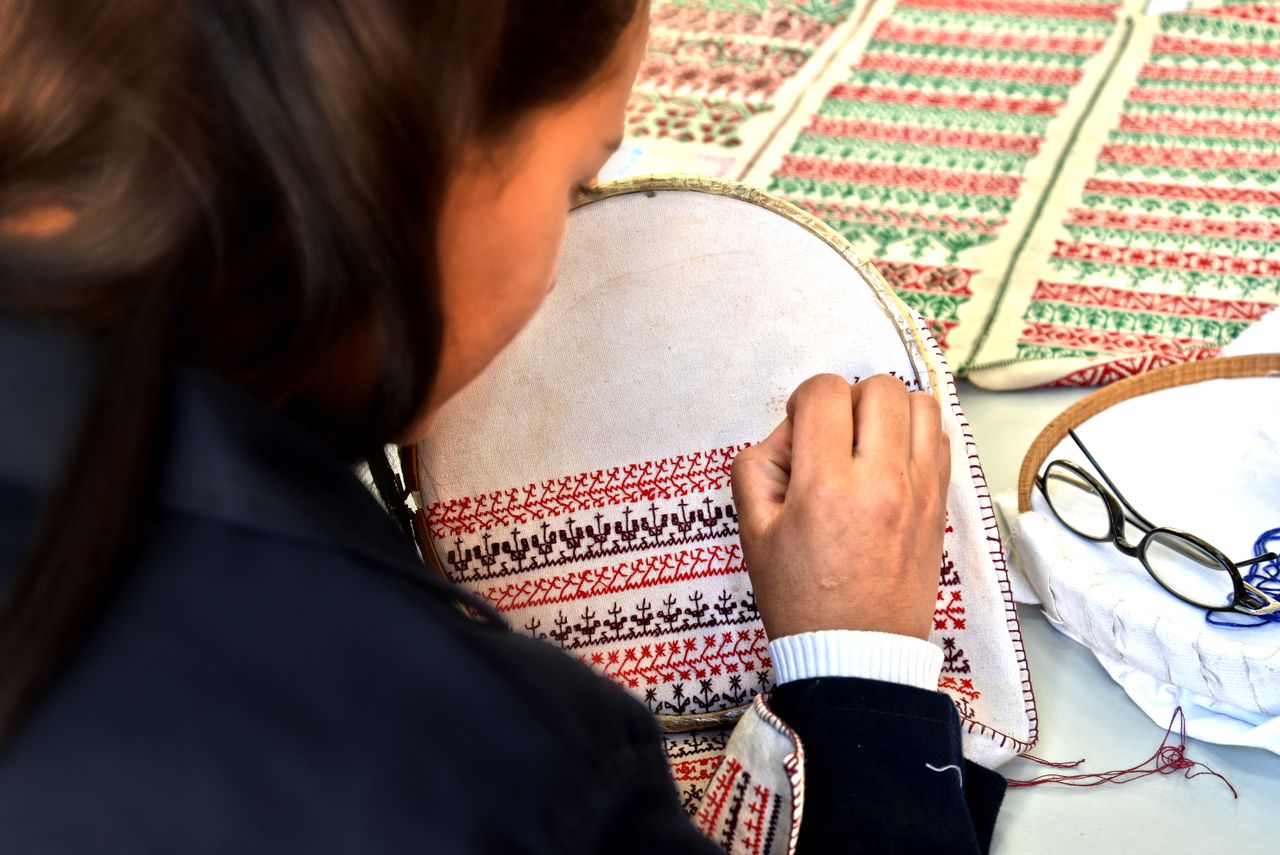
In many Afghan communities, embroidery skills have traditionally been passed from mothers and grandmothers to daughters and younger relatives. Learning to embroider requires patience, precision, and an understanding of patterns that may carry local or family significance. These designs are often inspired by flowers, leaves, geometric forms, and elements of the surrounding natural world.
Traditional needlework varies across regions, with differences in stitching methods, color combinations, and decorative styles. This diversity reflects Afghanistan’s rich cultural landscape, where local traditions have developed over generations.

The Artistry Behind Every Stitch
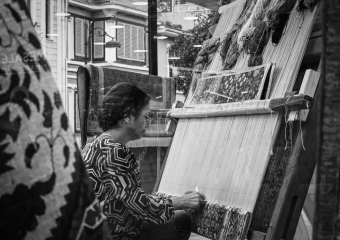
Creating embroidered textiles involves more than following a pattern. Artisans must select suitable fabrics and threads, plan the placement of designs, and maintain consistent stitches to achieve a balanced finish. Some pieces feature bold, colorful motifs, while others rely on delicate details and more restrained designs.

The time and concentration required to produce these works give handmade embroidery a distinctive character. Unlike mass-produced decorations, each handmade piece can reflect the individual skill, experience, and creative choices of its maker.
Women, Creativity, and Cultural Preservation
Women have played an important role in maintaining Afghanistan’s needlework traditions. For many, embroidery has provided an opportunity to express creativity, contribute to household income, and maintain connections with their communities.
Supporting women artisans through fair purchasing practices, local exhibitions, workshops, and responsible online promotion can help make traditional needlework more visible. Such opportunities may also encourage younger generations to learn skills that could otherwise become less common as lifestyles and employment opportunities change.
Challenges in a Changing World
Traditional embroidery faces challenges, including competition from inexpensive machine-made products, limited access to wider markets, and fewer opportunities for some young people to learn from experienced artisans. Preserving this heritage requires more than simply displaying finished textiles. It also means documenting techniques, recognizing the women who create them, and ensuring that artisans receive fair recognition and compensation for their work.
Digital platforms can help introduce Afghan embroidery to international audiences. Photographs, interviews, and educational stories can explain the meaning behind designs while connecting craftspeople with potential customers. These efforts should respect cultural traditions and give artisans a voice in how their work is presented.
Keeping the Needlework Tradition Alive
Afghanistan’s traditional embroidery represents patience, imagination, and cultural continuity. Every carefully placed stitch can contribute to a larger story of family knowledge and artistic heritage.
By supporting women artisans, documenting regional techniques, and encouraging younger generations to learn traditional skills, communities can help preserve this remarkable craft. Protecting Afghan needlework is not only about safeguarding beautiful textiles; it is also about valuing the knowledge, creativity, and cultural contributions of the women who keep the tradition alive.