
Ariana Global News: Beyond the Loom: The Architectural Geometry and Cultural Symbolism in Afghan Women’s Carpet Weaving
Afghanistan’s traditional carpet weaving is more than a craft. Through geometric patterns, carefully selected colours, and skills passed down through generations, Afghan women help preserve a cultural heritage that connects family life, artistic expression, and regional identity.
Afghan carpets are widely admired for their intricate patterns, rich colours, and distinctive designs. Behind their visual beauty lies a sophisticated artistic tradition in which geometry plays an important role. Repeating diamonds, octagons, borders, symmetrical arrangements, and interconnected shapes can transform wool and thread into complex compositions.

The structure of a traditional carpet often reflects careful planning, mathematical awareness, and an understanding of proportion. Weavers must maintain consistent spacing, balance colours, and repeat patterns across the surface. Even small variations in a motif can influence the appearance of the finished piece.
Although these designs may resemble architectural plans through their symmetry, repetition, and organisation, their meanings differ between communities and weaving traditions. Afghan carpets therefore offer an opportunity to explore the relationship between visual art, traditional knowledge, and cultural identity.

Many Afghan carpet designs incorporate geometric and floral motifs, stylised medallions, and decorative borders. In some regional traditions, repeated motifs are associated with family heritage, community identity, or memories of local landscapes and ways of life.
However, the meaning of individual symbols should not be assumed to be universal. Interpretations can vary according to region, ethnic tradition, family history, and the knowledge of individual weavers. Understanding these differences is essential to documenting Afghanistan’s textile heritage accurately.

For many communities, a handmade carpet is more than a decorative object. It can accompany important moments in domestic and social life, become a valued family possession, or serve as a gift connecting generations. Its patterns and colours can preserve visual traditions even when the original stories behind particular designs are no longer fully remembered.
This combination of practical craftsmanship and cultural expression makes Afghan carpet weaving an important subject for research, documentation, and heritage preservation.
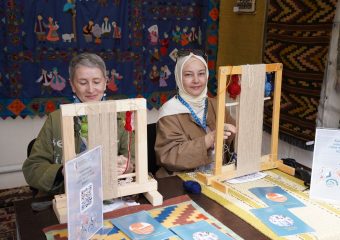
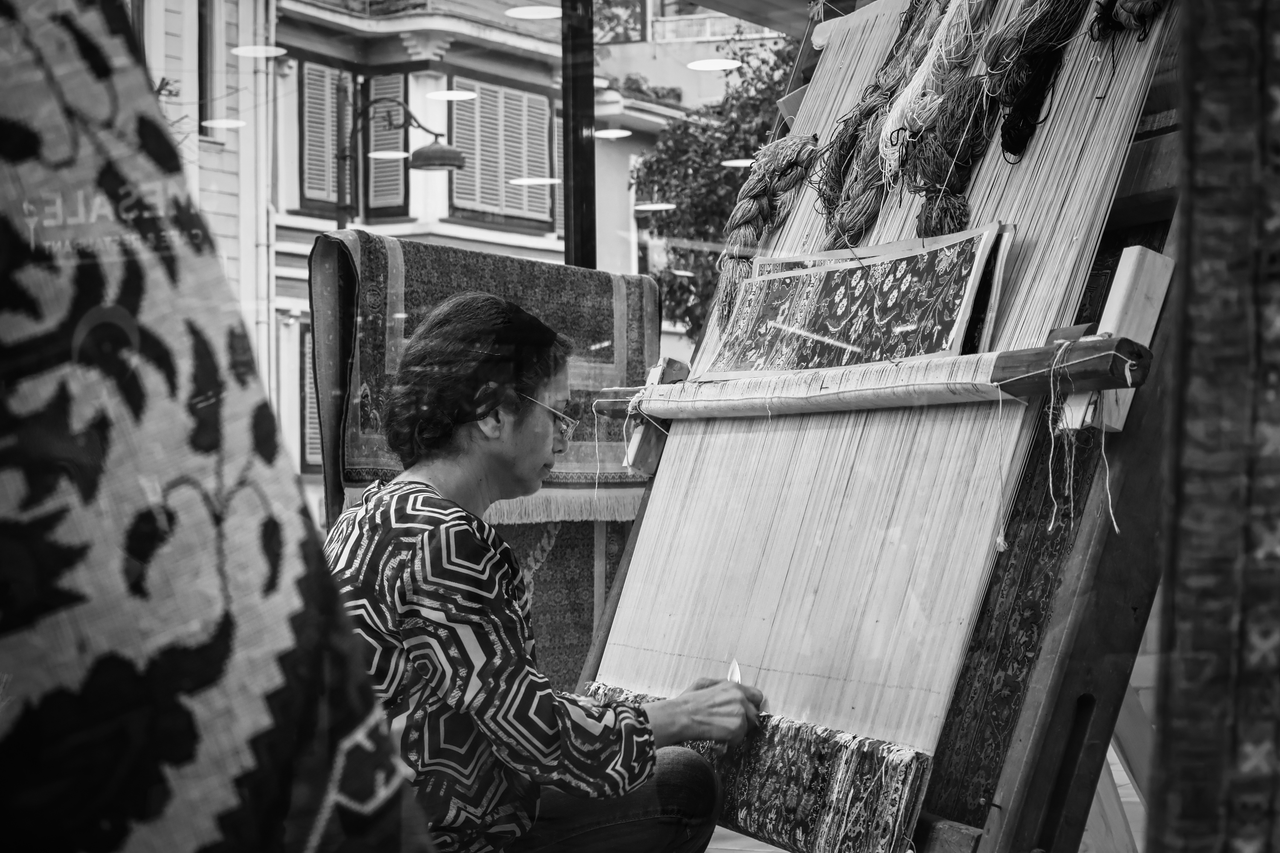
Women have played a significant role in maintaining carpet-weaving traditions in many Afghan communities. The craft requires patience, precision, an understanding of materials, and years of practice. Experienced weavers may pass their skills to younger relatives through observation, demonstration, and repeated work at the loom.
This informal education preserves more than technical ability. It can also transmit knowledge about colour combinations, regional styles, traditional tools, and the practical decisions involved in producing a durable carpet.
For women who earn income through weaving, the craft can also provide an important connection between cultural knowledge and economic activity. Supporting women artisans through fair market access, professional recognition, and opportunities to reach international customers can help sustain traditional skills while recognising the value of their labour.
At the same time, preserving this heritage requires listening to the artisans themselves. Their experiences, explanations of particular motifs, and knowledge of regional techniques should inform how Afghan carpets are described and presented to international audiences.
In an increasingly digital world, documenting Afghan carpet designs can help make traditional craftsmanship more accessible to researchers, students, collectors, and younger generations. High-quality photography, interviews with experienced weavers, and digital archives can record techniques and regional variations that might otherwise receive limited attention.
Museums, cultural organisations, educational institutions, and responsible businesses can contribute by documenting the origins of carpets, identifying the communities that produce them, and promoting accurate information about their craftsmanship.
Digital storytelling can also give Afghan women artisans greater visibility. Articles, exhibitions, and online platforms can explain the creative process behind a handmade carpet rather than presenting it only as a finished commercial product.
International recognition should go hand in hand with ethical representation. Cultural heritage is best protected when artisans receive appropriate credit, traditional knowledge is treated respectfully, and the communities maintaining these skills benefit from their continued appreciation.
Afghan women’s carpet weaving demonstrates how artistic knowledge can survive through practice, family teaching, and community memory. Its geometric compositions reveal the discipline of skilled craftsmanship, while its regional patterns offer insights into the diverse cultural traditions of Afghanistan.
Protecting this heritage requires more than preserving old carpets. It means supporting the people who continue to weave, documenting their knowledge, and creating opportunities for younger generations to learn.
By bringing attention to the geometry, symbolism, and human stories behind Afghan carpets, Ariana Global News can help introduce international readers to a rich tradition of craftsmanship. Beyond the loom lies a living cultural legacy—one shaped by creativity, skill, and the women who continue to carry it forward.