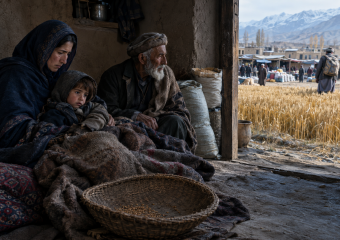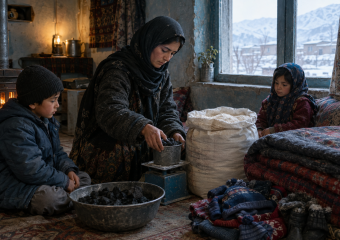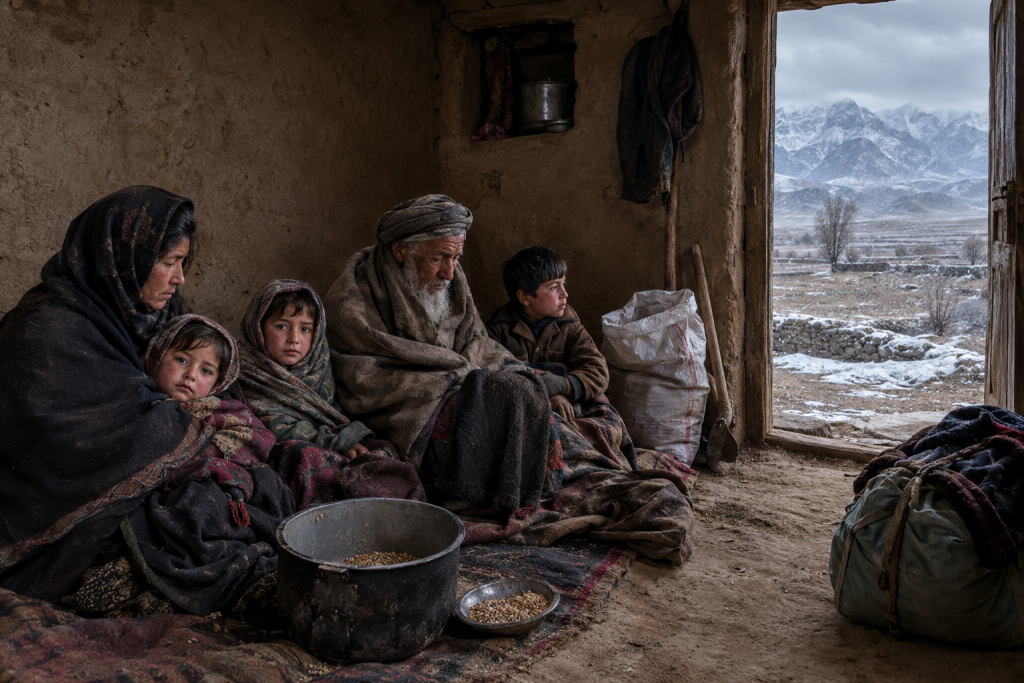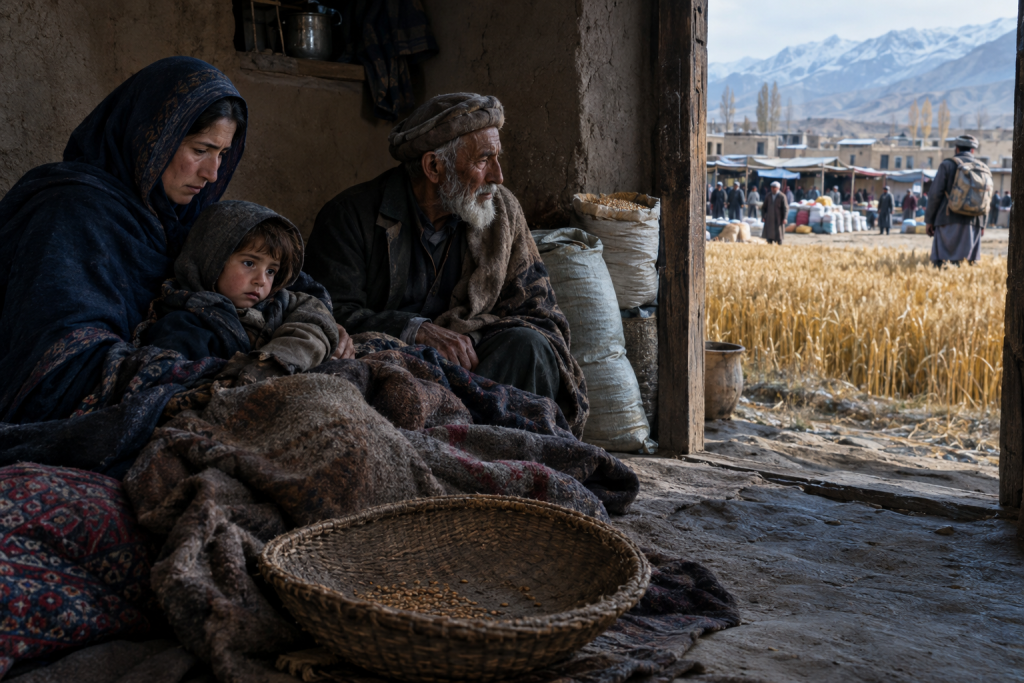

Afghanistan Faces a Deepening Hunger Crisis as Winter Approaches, UN Warns
Afghanistan is projected to face worsening food insecurity from November 2026 through April 2027, with 19.2 million people expected to experience acute hunger and about five million facing emergency conditions. Children, women and residents of several provinces are particularly vulnerable.
Rising prices, unemployment, returning migrants, disrupted trade and reduced humanitarian funding are intensifying the crisis despite improved agricultural production. FAO and WFP are calling for expanded food assistance, livelihood support and nutrition services, alongside longer-term investment in employment, farming and market access.

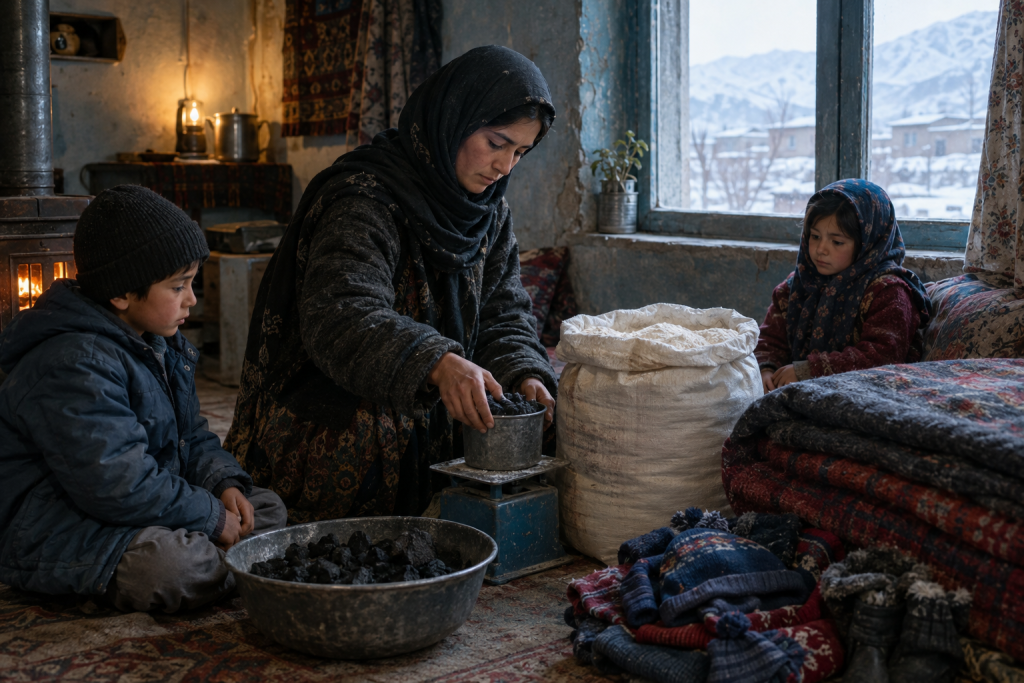
KABUL – Millions of people across Afghanistan are expected to face severe food shortages during the coming winter, as rising living costs, unemployment and declining humanitarian assistance continue to put pressure on vulnerable households. A new assessment by the United Nations agencies warns that the country is heading into another difficult season, despite improvements in agricultural production in several areas.
According to the latest Integrated Food Security Phase Classification (IPC) analysis released by the Food and Agriculture Organization (FAO) and the World Food Programme (WFP) on October 15, approximately 19.2 million people, representing 38 percent of Afghanistan’s population, are projected to experience high levels of acute food insecurity between November 2026 and April 2027. This represents an increase from the estimated 17.4 million people facing similar conditions during the corresponding period a year earlier.
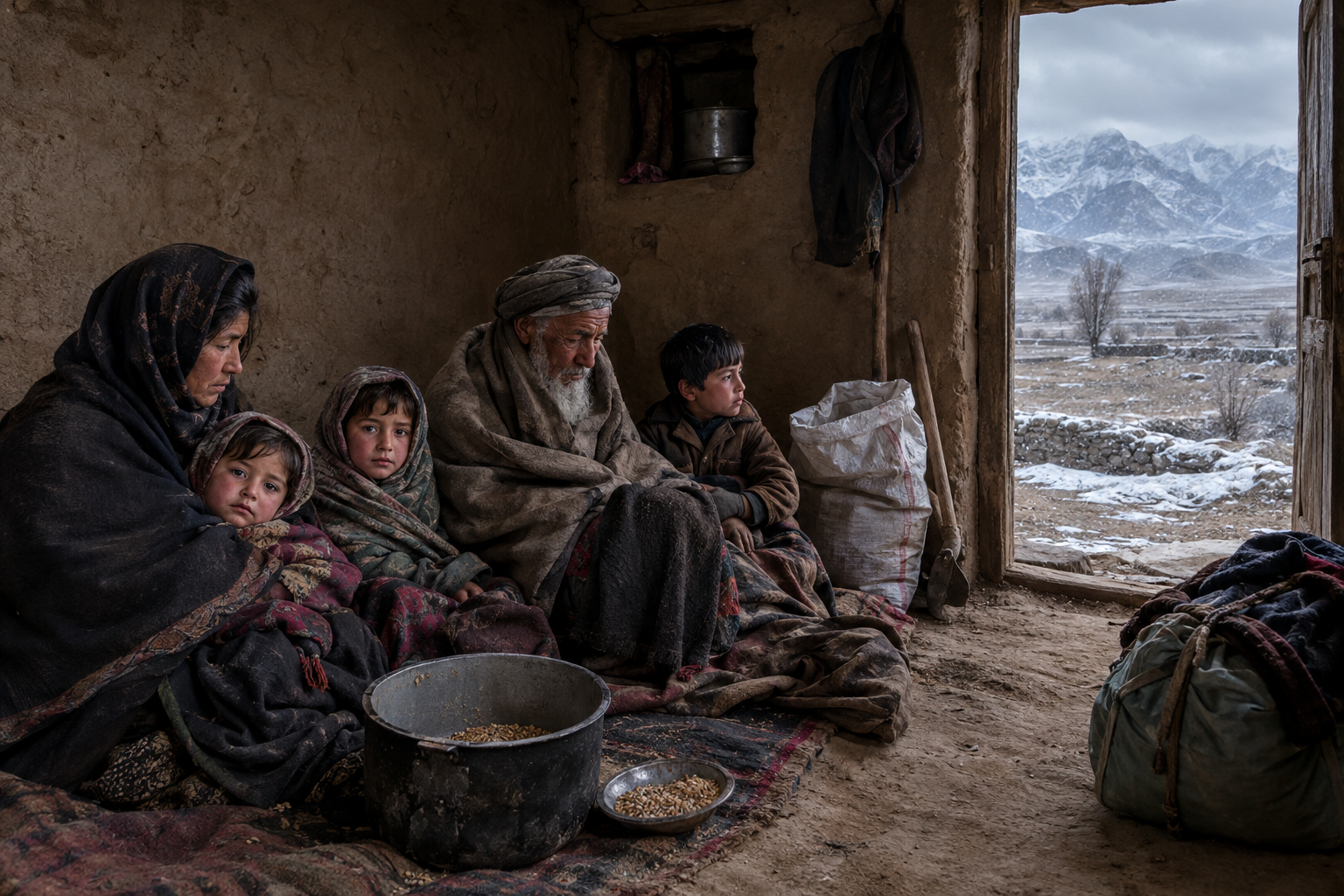
The assessment indicates that around five million people could experience emergency levels of hunger, requiring urgent food assistance to prevent further deterioration. Several provinces, including Badakhshan, Badghis, Daykundi, Ghor, Samangan, Sar-e-Pul and rural areas of Ghazni, are expected to face particularly serious conditions. Children and women remain among the groups most exposed to food shortages and inadequate nutrition.
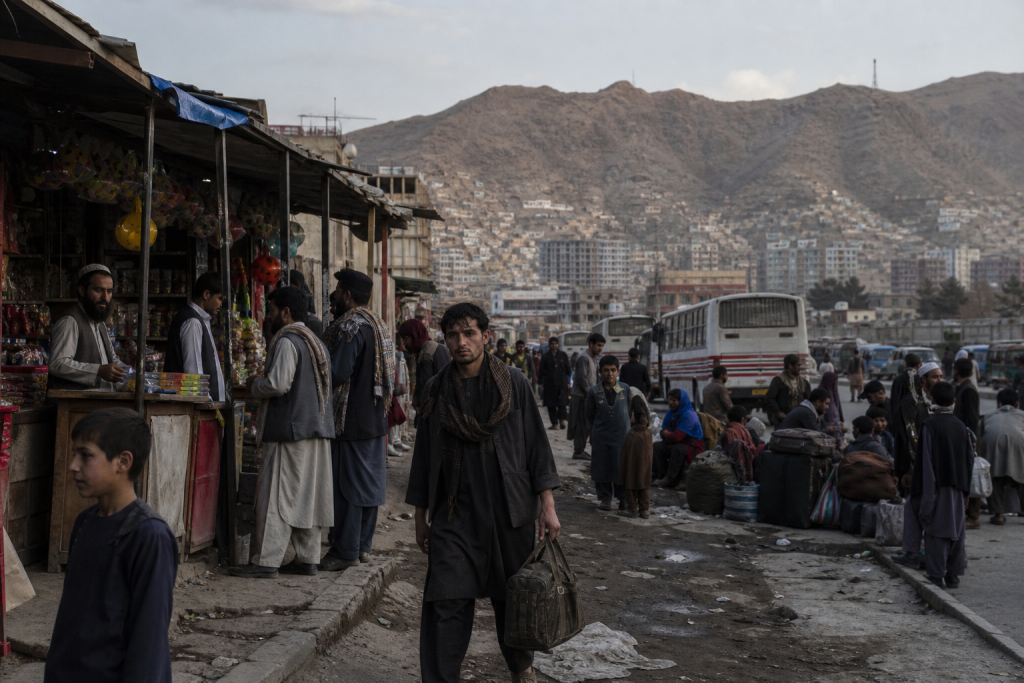
The humanitarian situation is being intensified by several interconnected challenges. More than 1.2 million Afghans have returned from Iran and Pakistan during 2026, placing additional pressure on communities already struggling with limited employment and resources. Higher food and transportation costs, disruptions to regional trade routes and reduced international humanitarian funding have further weakened the ability of many families to secure basic necessities.
Despite favourable rainfall and improved agricultural production in parts of the country this year, the UN agencies say a better harvest has not necessarily translated into improved food access. Many households depend on daily wages rather than farming, while high prices for agricultural inputs and limited employment opportunities prevent families from benefiting fully from increased food supplies. The agencies also warn that rising malnutrition could push the number of affected people to approximately four million in 2027.
The FAO and WFP have called for urgent international support to expand food assistance, strengthen agricultural livelihoods and improve nutrition services before winter makes access to remote communities more difficult. Experts also stress that emergency food deliveries alone cannot address the underlying causes of the crisis. Sustainable employment, investment in farming infrastructure, access to markets and reliable income opportunities will be essential to help Afghan families become more self-reliant. Without timely action, the coming winter could bring further hardship to millions of people across Afghanistan.