
Ariana Corridor: The New Economic Frontier for Commerce and Infrastructure
The New Economic Frontier: Commerce, Infrastructure, and Development Across the Ariana Corridor
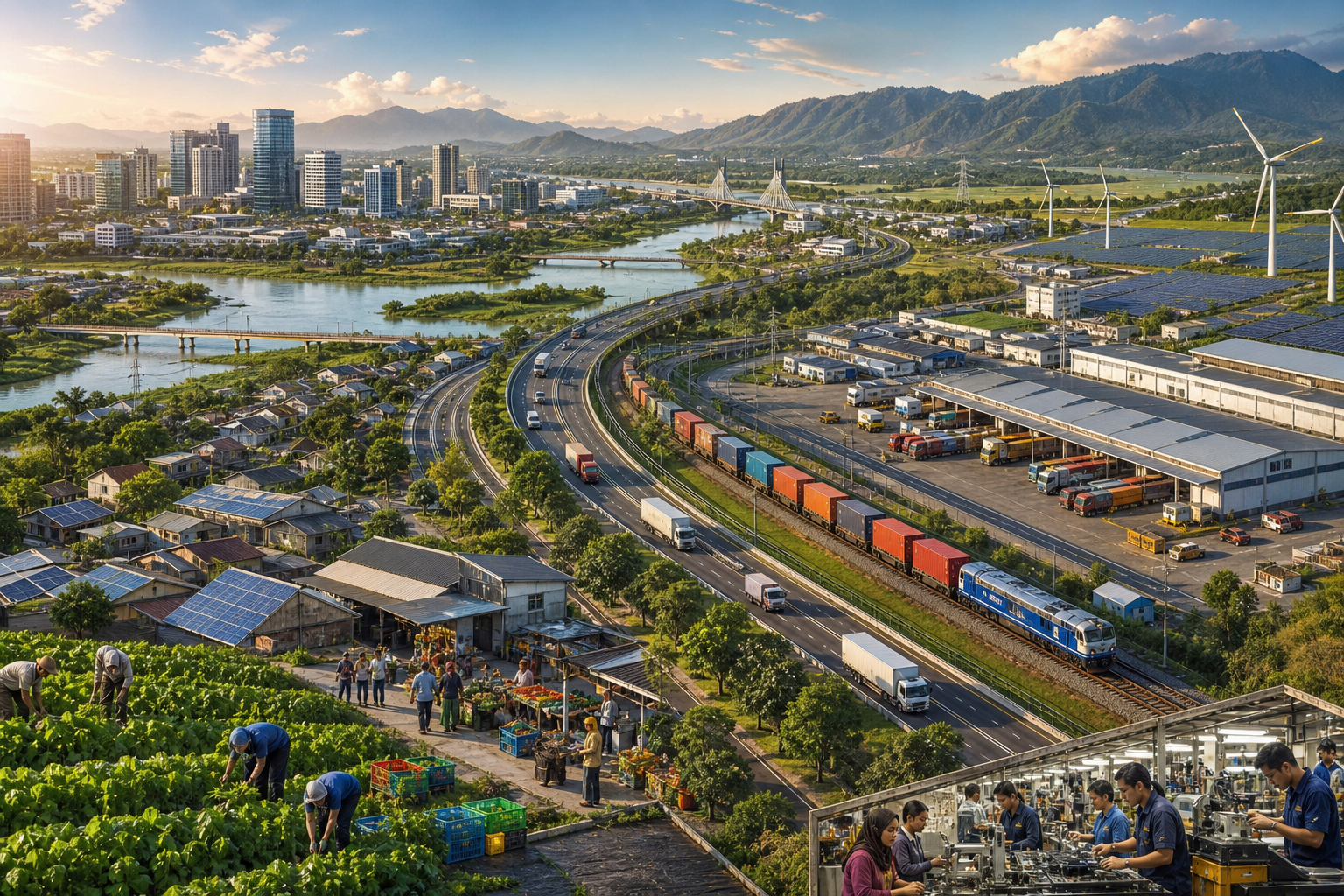
The Ariana Corridor is emerging as a dynamic zone of growth where commerce, infrastructure, and development intersect to redefine regional prosperity. Spanning urban centers, industrial nodes, and rural catchments, this corridor offers a strategic platform to harness trade flows, attract investment, and build resilient communities. Understanding the forces shaping the corridor—and the practical steps needed to sustain momentum—is essential for policymakers, investors, and local stakeholders.
Strategic Importance of the Ariana Corridor
The Ariana Corridor sits at a crossroads of regional supply chains and consumer markets. Improved connectivity—roads, rail links, and digital networks—has shortened travel times and transaction costs, making the corridor attractive for:

- Manufacturing and logistics hubs seeking lower operating costs.
- Agribusinesses looking for better market access and cold-chain solutions.
- Service industries benefiting from a growing urban consumer base.
These shifts are not only creating jobs but also generating opportunities for skills development, technology transfer, and local entrepreneurship.
Infrastructure: The Backbone of Growth
Reliable infrastructure is the corridor’s backbone. Priority areas include:

- Transport: Upgrading highways, rail, and intermodal terminals reduces delays and facilitates bulk movement of goods.
- Energy: Stable, scalable power—integrating renewables—supports industrial growth and improves household livelihoods.
- Water and sanitation: Essential for public health and industrial processes, especially in agro-processing and light manufacturing.
- Digital infrastructure: High-speed connectivity enables e-commerce, remote services, and smart logistics.
Public-private partnerships (PPPs) and blended finance models are proving effective in mobilizing the large capital required for these projects while sharing risk and expertise.
Commerce: Catalyzing Trade and Investment
Commercial activity along the Ariana Corridor is diversifying. Small and medium-sized enterprises (SMEs) are leveraging better access to inputs and markets, while larger firms establish distribution centers and export-oriented facilities.

Key drivers include:
- Trade facilitation measures: Streamlined customs, single-window systems, and harmonized standards accelerate cross-border trade.
- Market linkages: Business incubators and cluster development programs help SMEs integrate into value chains.
- Financial inclusion: Expanded access to credit, digital payments, and microinsurance fuels entrepreneurship and reduces transaction frictions.
Targeted incentives—such as tax breaks in designated economic zones—can help attract anchor investors, but must be balanced with long-term fiscal sustainability.
Development with Inclusion and Sustainability
Economic gains are most durable when paired with inclusive development. Priorities for equitable growth across the Ariana Corridor include:
- Workforce development: Vocational training and apprenticeships tailored to corridor industries ensure local populations benefit from new job opportunities.
- Land-use planning: Smart zoning prevents informal sprawl, preserves agricultural land, and supports efficient service delivery.
- Environmental safeguards: Mitigating pollution, promoting energy efficiency, and preserving natural ecosystems are critical for long-term resilience.
- Gender and social inclusion: Programs that support women entrepreneurs and marginalized groups amplify the social impact of corridor investments.
Climate-resilient design—flood-resistant roads, drought-tolerant agriculture techniques, and decentralized renewable energy—reduces vulnerability and protects investment returns.
Governance and Stakeholder Coordination
Effective governance is central to the corridor’s success. Coordination mechanisms should:
- Align national, regional, and local priorities to avoid duplication and ensure benefits reach communities.
- Involve the private sector early to design bankable projects and clear regulatory frameworks.
- Foster transparency through public reporting, community consultations, and independent monitoring.
Multi-stakeholder platforms that include civil society, academia, and investor representatives can improve decision-making and social acceptance.
Challenges and Mitigation Strategies
The Ariana Corridor faces several challenges: funding gaps, potential displacement from land acquisition, environmental risks, and unequal benefit distribution. Mitigation strategies include:
- Leveraging blended finance and concessional lending to close funding gaps.
- Implementing fair compensation and resettlement frameworks when land is acquired.
- Enforcing environmental impact assessments and continuous monitoring.
- Designing local procurement and training programs to ensure community participation.
A Path Forward
The Ariana Corridor represents a new economic frontier where integrated approaches to commerce, infrastructure, and development can unlock inclusive growth. Success depends on coordinated planning, responsible investment, and a commitment to sustainability and social equity. With the right policies and partnerships, the corridor can become a model for regional development—transforming connectivity into shared prosperity.