
Earth Is Approaching a Critical Climate Threshold — Can Humanity Still Change Course?
Global temperatures are nearing the 1.5°C warming threshold, with recent years repeatedly approaching or exceeding it. Scientists warn that continued warming will intensify risks from extreme heat, changing rainfall, pressure on food and water supplies, ecosystem damage, and disproportionate effects on vulnerable communities.
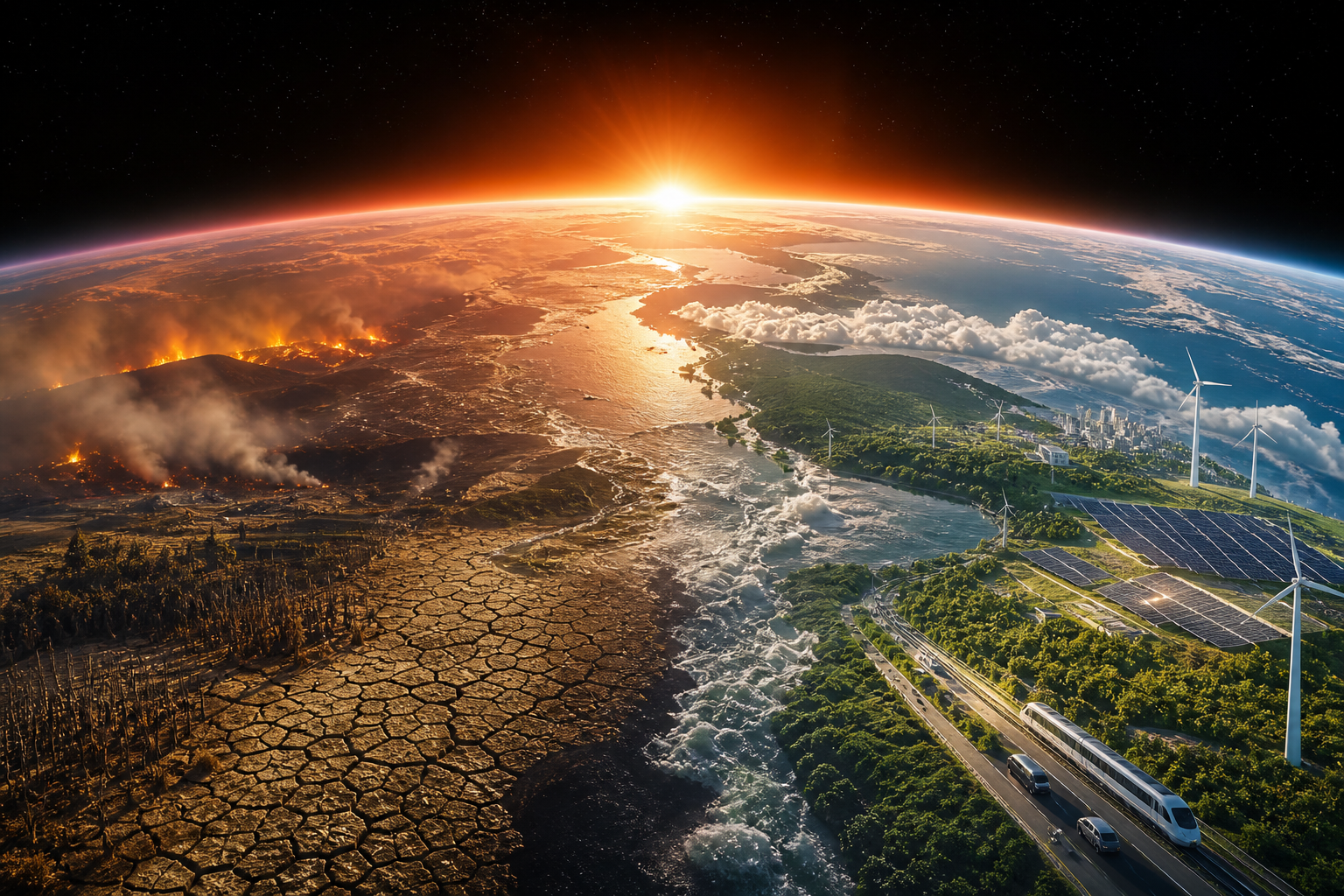
Crossing the threshold once would not represent an immediate, irreversible disaster, since sustained long-term warming is the key measure. Rapid reductions in greenhouse-gas emissions, cleaner energy, efficient transportation, and resilient infrastructure could still limit future warming and reduce the severity of climate impacts.
The world is moving closer to a major climate milestone, with scientists warning that global temperatures are likely to cross the 1.5°C warming threshold in the coming years. The threshold, measured against pre-industrial temperatures, has become one of the most important markers in international climate policy because higher temperatures increase risks to ecosystems, food systems, water supplies and human communities.
A new assessment from the World Meteorological Organization and other international scientific organizations indicates that the planet is experiencing unprecedented levels of warming. Recent years have repeatedly approached or exceeded the 1.5°C level, demonstrating how quickly the climate system is changing.

The 1.5°C target does not mean that crossing the level once would immediately trigger an irreversible climate disaster. Scientists distinguish between temporary annual temperature increases and long-term warming sustained over multiple decades. This distinction is important because it means humanity still has opportunities to reduce the severity of future warming.
The biggest factor determining what happens next is the amount of greenhouse gases released into the atmosphere. Carbon dioxide and other heat-trapping gases accumulate over time, meaning that every reduction in emissions can help limit additional warming. Moving more quickly toward cleaner energy, efficient transportation and lower-carbon industries could therefore have a significant impact.

The consequences of continued warming are already visible in many parts of the world. Rising temperatures can increase the likelihood of extreme heat, contribute to changing rainfall patterns and place additional pressure on agriculture, water resources and natural ecosystems. Vulnerable communities are often exposed to the greatest risks.
Scientists emphasize, however, that passing the 1.5°C threshold does not mean climate action has failed. Every fraction of a degree matters. Limiting warming to lower levels can reduce the intensity of many climate impacts, while stronger emissions cuts can improve the chances of bringing temperatures back below the threshold over a longer period.

The coming years will therefore be crucial. Governments, businesses and communities face growing pressure to accelerate the transition toward cleaner energy and more resilient infrastructure. The climate challenge is becoming more urgent, but scientists continue to stress that the choices made today can still influence how severe the future consequences will be.