
EU and FAO Launch €5 Million Initiative to Strengthen Afghanistan’s Farmers and Agribusinesses
EU and FAO Launch €5 Million Initiative to Strengthen Afghanistan’s Farmers and Agribusinesses
The European Union and the Food and Agriculture Organization (FAO) have launched a €5 million initiative aimed at strengthening Afghanistan’s farmers and agribusinesses. The programme, announced by the EU and FAO, is framed as support for agricultural recovery, rural livelihoods and resilient food systems across the country.
What the initiative intends to achieve
According to the European Union and the FAO, the new funding targets three broad objectives: protect and rebuild productive capacity, improve market access and value chains, and increase climate resilience for farming communities. The partners describe the effort as complementary to existing humanitarian and development work, with a focus on practical measures that can reach farmers and small agribusinesses on the ground.

Practical support for producers and businesses
The EU and FAO indicate the initiative will prioritize a series of interventions designed to restore agricultural activity and strengthen rural economies. These areas commonly include:
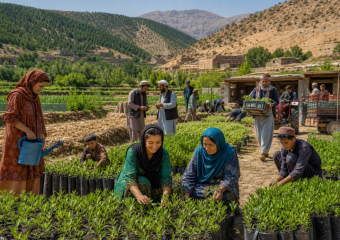
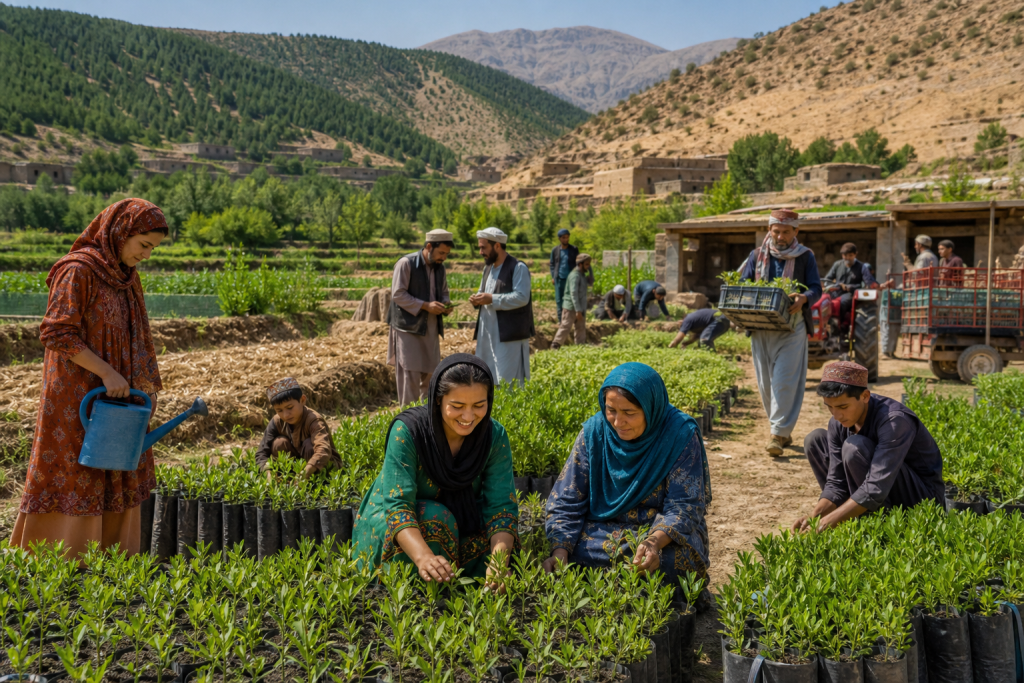
- Provision of seeds, tools and veterinary supplies to smallholder farmers;
- Technical training in climate-smart farming and post-harvest handling;
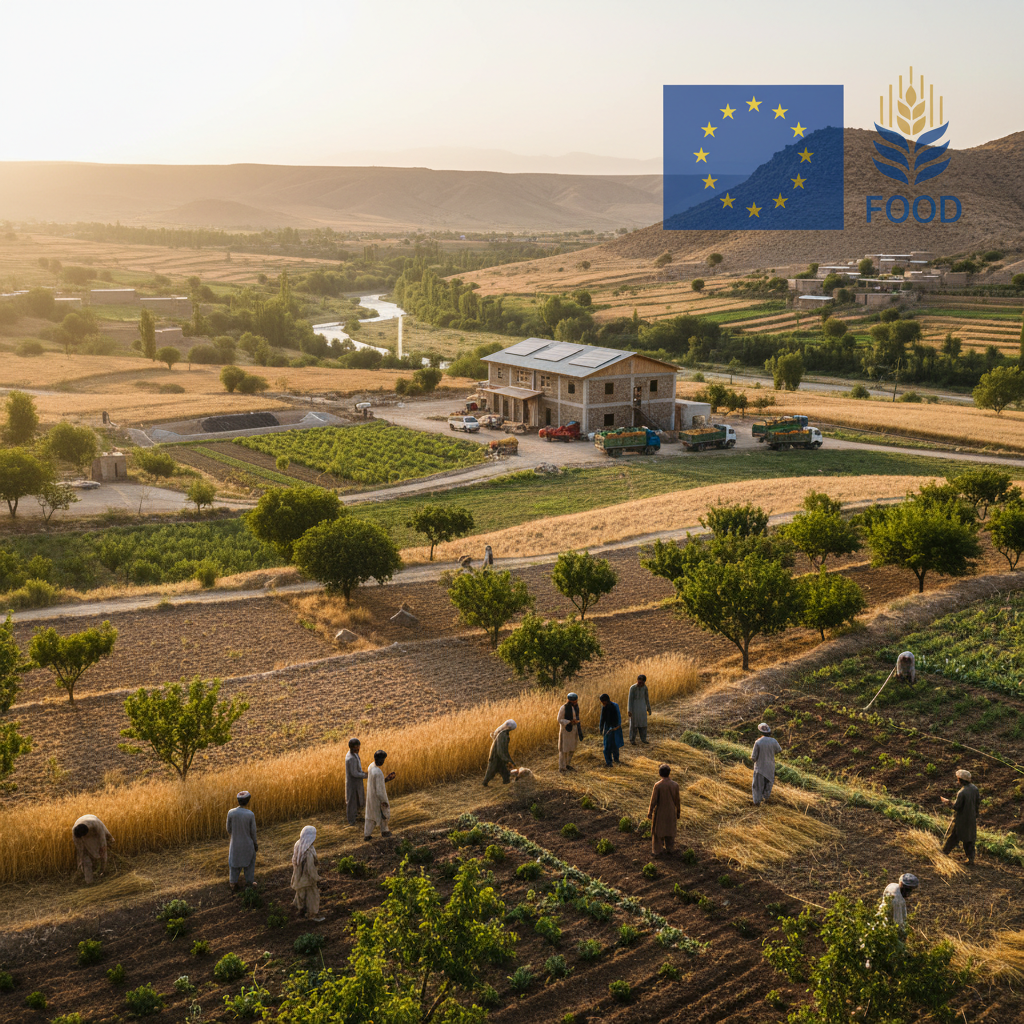
- Support for local agribusinesses to improve processing, storage and market linkages;
- Facilitating access to finance and input supply chains for producers and entrepreneurs.
By focusing on both production and the value chain, the EU and FAO aim to make agricultural gains more sustainable and economically meaningful for households that depend on farming.

Why the programme matters for Afghan food security
Agriculture remains a foundation of livelihoods across Afghanistan, with many rural families relying on crops and livestock for income and food. The EU and FAO have emphasized that strengthening agricultural productivity and market functioning is a practical way to reduce food insecurity and support economic stability.
Improving post-harvest handling and storage, for instance, can reduce losses and lengthen the time that food stays available in local markets. Likewise, better access to quality inputs and veterinary care can raise yields and animal productivity—outcomes the EU and FAO cite as central to the initiative’s goals.

Climate resilience and risk management
Climate variability and water scarcity are persistent challenges for Afghan agriculture. The FAO has highlighted the importance of climate-smart approaches—such as efficient irrigation, drought-tolerant seeds and soil conservation—to help farmers manage risk. Integrating these practices into the programme is intended to reduce vulnerability to extreme weather and improve medium-term stability for rural communities.
Focus on women and youth
Both the EU and FAO note that women and young people are central to Afghanistan’s agricultural future. The initiative is described as including measures to expand opportunities for women and youth within farming and agribusiness—through training, access to inputs and support for entrepreneurship—while acknowledging the social and practical barriers these groups face.
Targeted support for women and youth can increase household incomes, diversify local economies and foster longer-term resilience, the partners say, provided programmes are designed to reach disadvantaged groups safely and effectively.
Implementation challenges and local realities
Implementing development programmes in Afghanistan comes with well-known constraints: security limitations, access issues, fragmented markets and complex governance. The EU and FAO have signaled an intention to work with local partners and existing networks to channel assistance where it can be delivered and monitored reliably.
Operational hurdles do not negate the potential benefits, but they do underline the need for careful planning, transparency and coordination with humanitarian actors and local communities.
Conclusion
The €5 million EU-FAO initiative represents a targeted investment in Afghanistan’s agricultural backbone. By concentrating on production, market links, climate resilience and inclusion, the partners aim to bolster the capacity of farmers and agribusinesses to provide food and livelihoods. For rural households across the country, such support—if implemented effectively and safely—could contribute to more stable food supplies and economic opportunities in the months ahead.