
EU and FAO Put €5 Million Behind Afghanistan’s Farmers and Climate Resilience
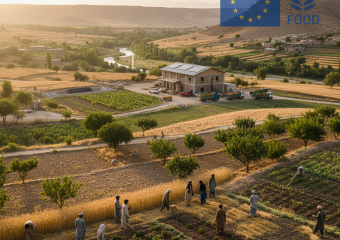
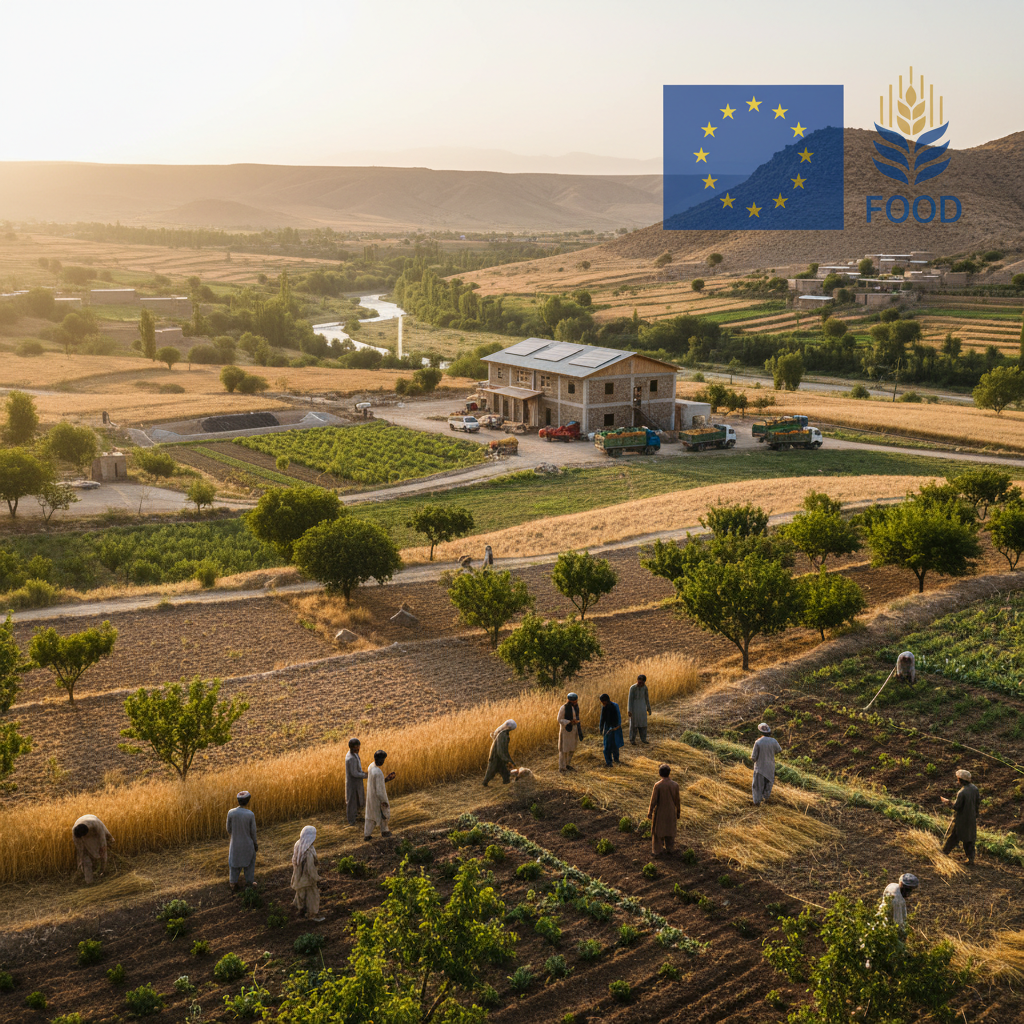
The European Union and FAO have launched a €5 million programme to strengthen Afghanistan’s agricultural economy, improve climate resilience and expand opportunities for farmers, rural businesses, women and young people. Four service hubs will provide technical assistance, financing, market access, climate information and early-warning services.
The initiative will restore about 2,000 hectares of forests and rangelands, support 250 women- and community-led nurseries, and offer grants and business assistance to agrifood enterprises. It targets communities affected by food insecurity, displacement and climate risks while supporting rural employment and stronger local value chains.
KABUL, Afghanistan — A new €5 million initiative backed by the European Union and the Food and Agriculture Organization of the United Nations is putting Afghanistan’s farmers, rural businesses and climate resilience at the center of a new push to strengthen the country’s agricultural economy.
The programme comes at a critical time for Afghanistan, where agriculture remains central to rural livelihoods while farmers and communities face mounting climate pressures, limited economic opportunities and fragile access to markets.

Rather than focusing only on immediate assistance, the initiative is designed to strengthen the systems that allow farmers and agricultural businesses to grow. The programme will connect rural producers with technical expertise, business services, financing and markets.
Four one-stop service hubs will be established to bring these resources closer to farmers and rural entrepreneurs. The hubs will also provide climate information and early-warning services intended to help communities make better decisions in an increasingly unpredictable environment.

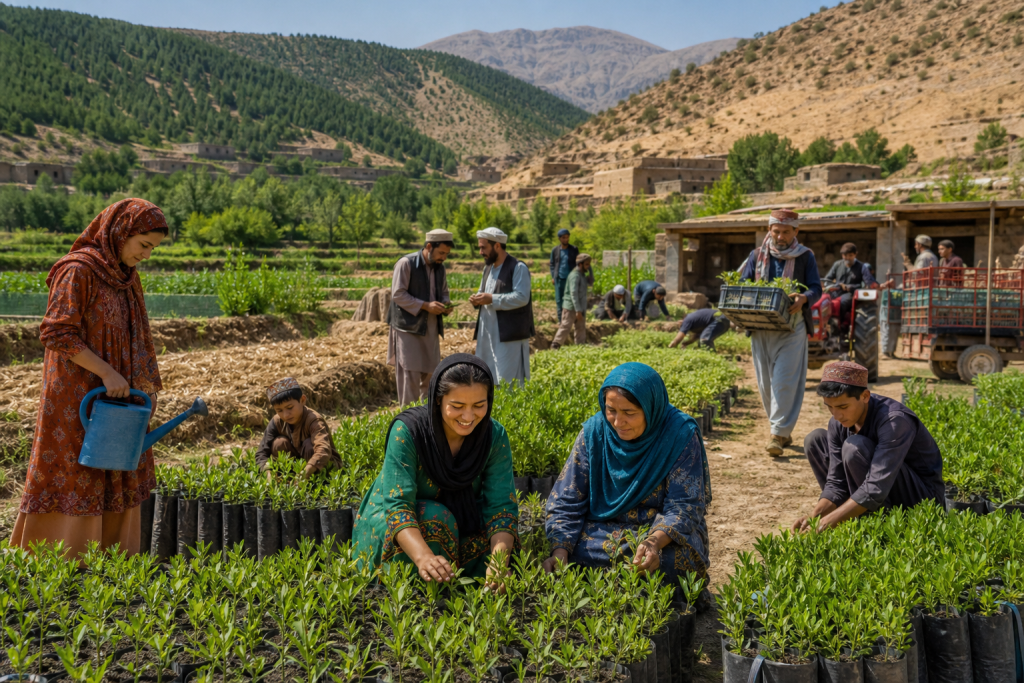
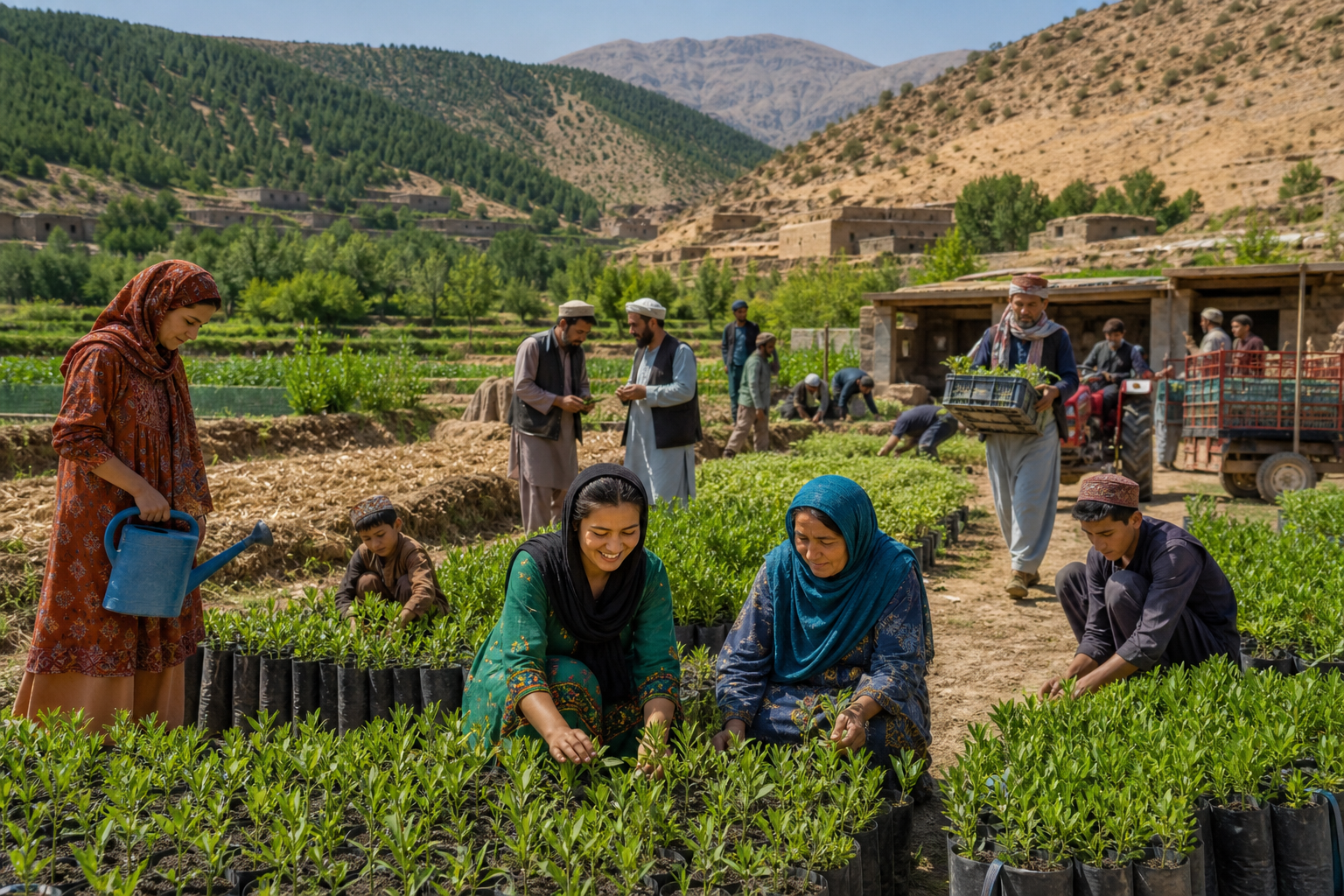
Environmental recovery is another major component. The programme plans to restore about 2,000 hectares of degraded forests and rangelands and support 250 women- and community-led nurseries.
The focus on women and young people is particularly significant. Returnees, internally displaced people and host communities in areas affected by food insecurity, climate risks and limited economic opportunities are also expected to benefit.

The initiative will provide matching grants as well as technical and business support to established agrifood and environmentally sustainable businesses with potential for growth. By helping these companies expand and purchase more products from local farmers, the programme aims to strengthen agricultural value chains and create employment in rural communities.
EU Chargé d’Affaires for Afghanistan Nicola Bellomo said Afghanistan’s agricultural potential remains significantly underused and is constrained by the country’s vulnerability to climate change. The EU says the partnership will focus on stronger agricultural services, agribusiness development and nature-based solutions.
FAO Representative in Afghanistan Richard Trenchard said Afghan agrifood businesses have already demonstrated their ability to grow and create jobs despite difficult conditions. He stressed the importance of giving farmers and businesses better access to knowledge, services and markets.
The initiative also reflects a broader shift in how Afghanistan’s rural economy can be supported. Improving agricultural productivity alone is not enough if farmers cannot access markets, businesses cannot secure investment and communities remain exposed to climate shocks.
For Afghan families whose livelihoods depend on agriculture, stronger local businesses and more resilient natural resources could have an impact far beyond the farm. They could mean more stable income, new rural jobs and greater opportunities for communities to build sustainable livelihoods.
The challenge now will be implementation. The programme’s long-term impact will depend on whether its financing, services and market connections reach the farmers and businesses that need them most.
For Afghanistan, however, the message behind the initiative is clear: building climate resilience and strengthening agriculture are increasingly becoming part of the same economic challenge—and potentially part of the same solution.