
UN Reports Escalating Humanitarian, Economic and Security Pressures in Afghanistan
A UN assessment submitted to the Security Council on September 9, 2026, says Afghanistan faces interconnected humanitarian, economic, human rights and security pressures. More than 21 million people need assistance, funding is insufficient, and returns from neighboring countries are straining communities and public services.
Restrictions on women and girls’ education, employment and public participation are limiting development and economic activity. Afghanistan also faces unemployment, food insecurity, climate-related disasters and security risks, while the UN continues diplomatic engagement and support through UNAMA, whose mandate runs through June 17, 2027.
Afghanistan is facing a combination of humanitarian, economic and human rights pressures, according to the latest assessment submitted by the United Nations Secretary-General to the UN Security Council.
The United Nations’ latest report on Afghanistan was submitted on September 9, 2026, highlighting continuing challenges affecting the country’s stability and its relationship with the international community. The report comes as Afghanistan continues to deal with humanitarian needs, economic difficulties, population returns and restrictions affecting women and girls.
One of the most significant concerns remains the situation of Afghan women and girls. UN officials have repeatedly warned that restrictions on education, employment and participation in public life are limiting the country’s human capital and creating long-term consequences for Afghanistan’s development.

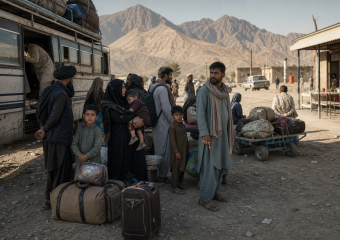
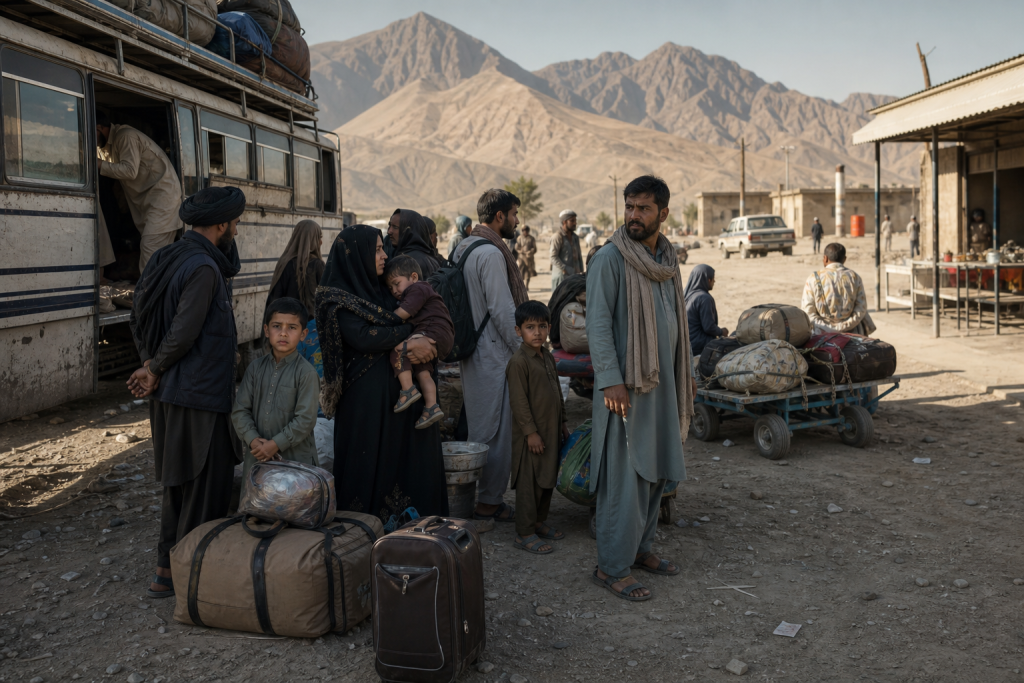
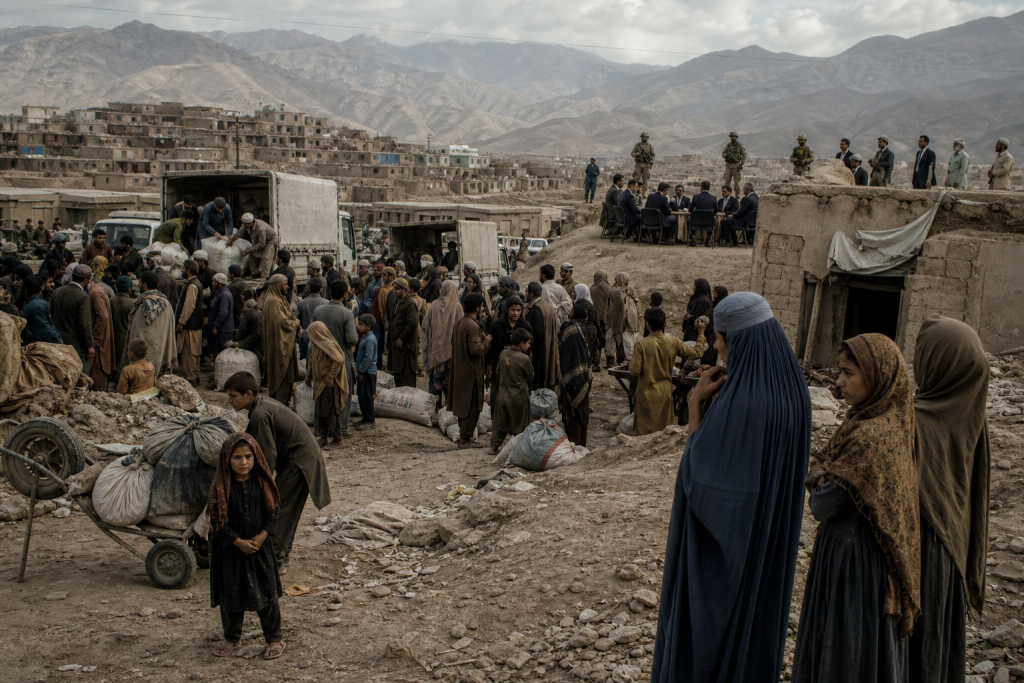
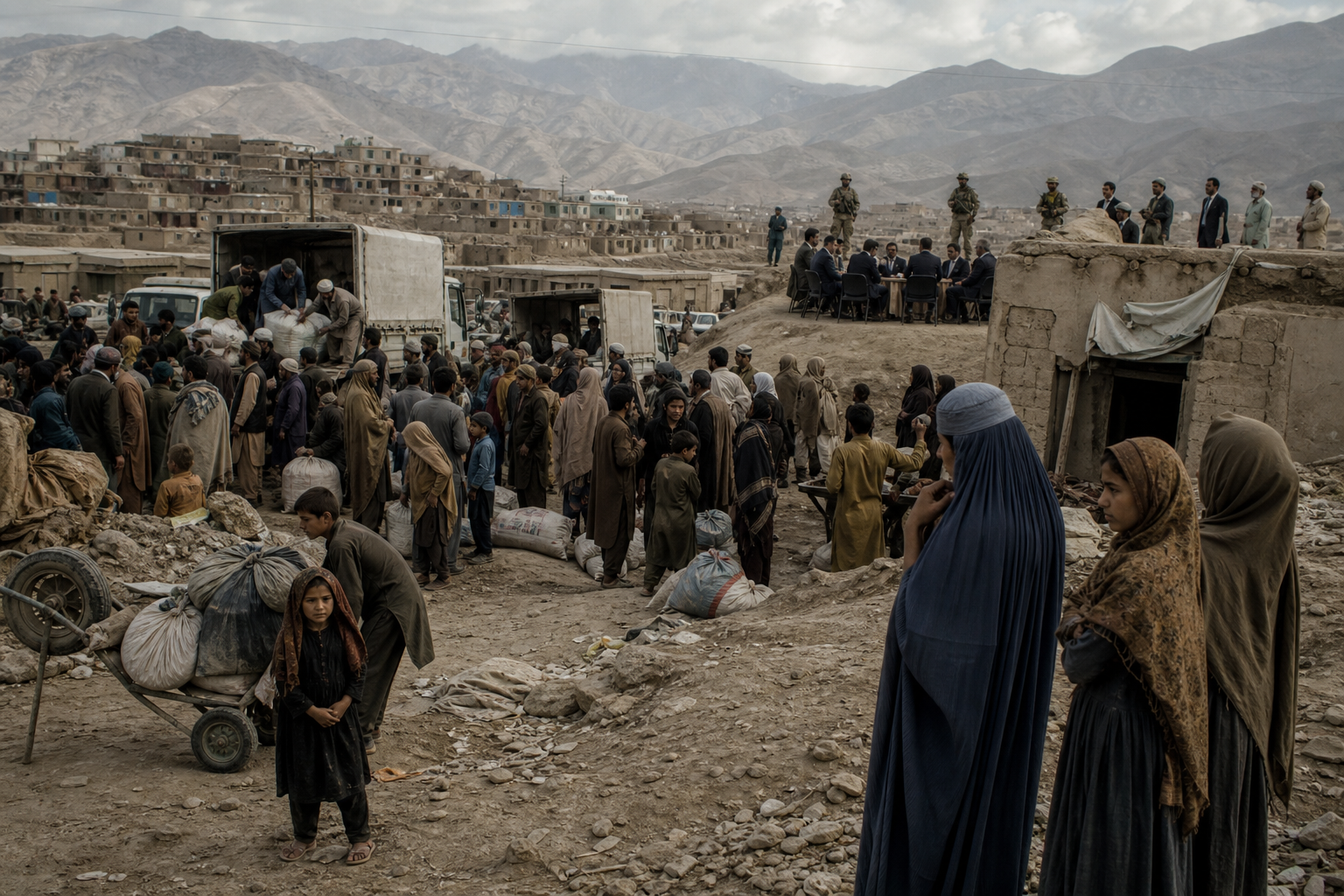
The UN has also raised concerns about the humanitarian situation. Earlier this year, UNAMA said that more than 21 million Afghans were in need of humanitarian assistance, while the 2026 humanitarian response plan faced a significant funding gap. Large-scale returns of Afghans from neighboring countries have added further pressure on communities and public services.
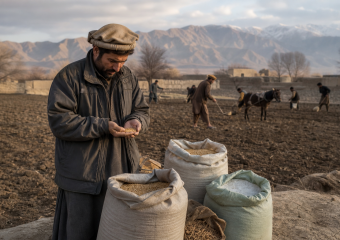
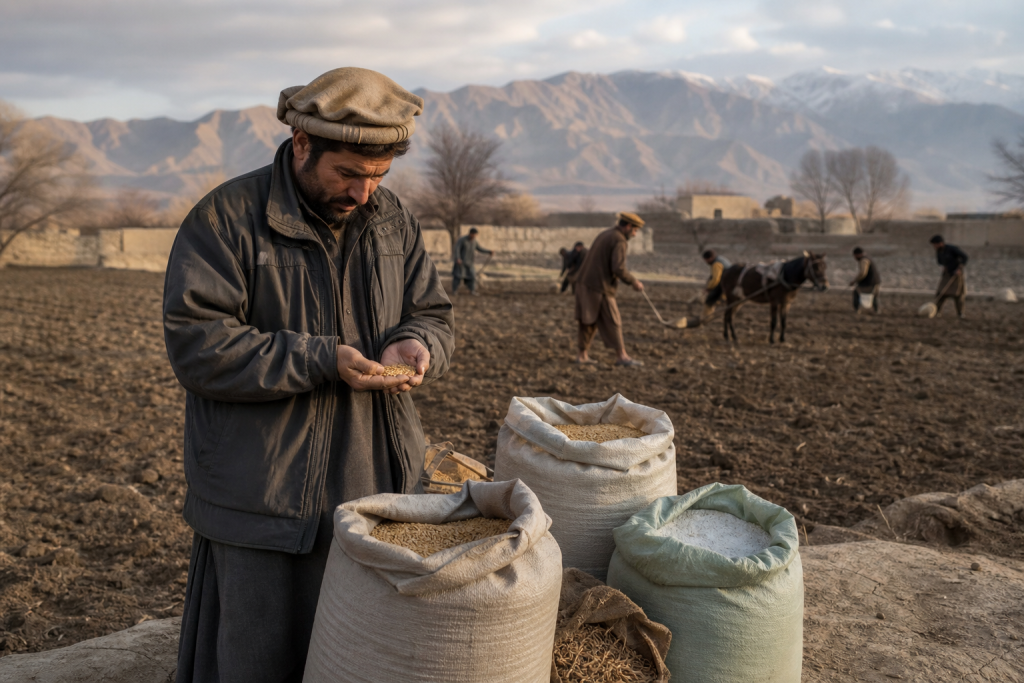
Economic pressure is another major concern. Afghanistan remains dependent on international assistance while facing weak household resilience, unemployment, food insecurity and the effects of repeated climate-related disasters. UN officials have warned that restrictions affecting women also have economic consequences because they prevent a large part of the population from contributing fully to the country’s economy.
Security remains part of the international discussion as well. The United Nations has continued to identify terrorism and the presence of militant groups in Afghanistan as issues requiring international attention. At the same time, regional tensions and disputes involving Afghanistan and its neighbors have created additional risks for civilians and economic activity.

Despite these challenges, the United Nations continues to support diplomatic engagement with Afghanistan. The UN says its engagement with the Taliban authorities is intended to maintain communication, support the Afghan population and address issues affecting regional and international security. UNAMA’s mandate was extended for another year in June 2026, until June 17, 2027.
The latest assessment illustrates the complexity of Afghanistan’s current situation. Humanitarian needs, economic weakness, security concerns and restrictions on fundamental rights are interconnected rather than isolated problems.
For Afghanistan, addressing these challenges will require both domestic decisions and sustained international engagement. The UN continues to emphasize that greater respect for human rights, broader participation in public life and stronger cooperation with the international community are important elements of a more stable future for the country.