
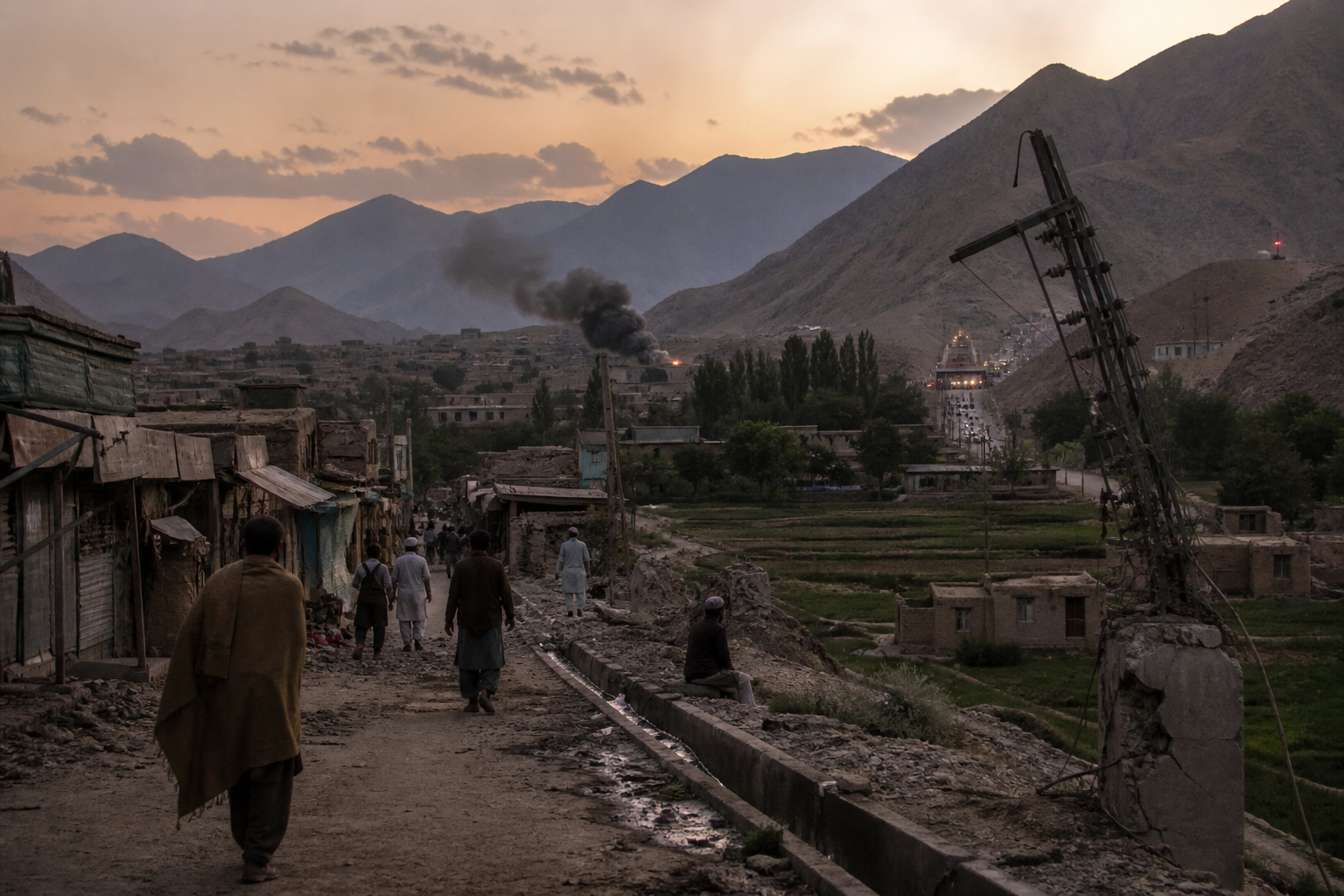
Afghanistan’s Security Landscape Shifts as Armed Groups Intensify Local Attacks
Afghanistan retains broad territorial stability under Taliban control, but localized violence persists. A United Nations report recorded 88 attacks by armed opposition groups across 21 provinces from May to July, while ACLED reported increased political violence in parts of Badakhshan and Herat.
The scattered attacks do not yet indicate a return to nationwide conflict, but they pose risks to civilians and may disrupt movement, trade, agriculture, infrastructure, and essential services. Border tensions with Pakistan further complicate the country’s fragile security environment.

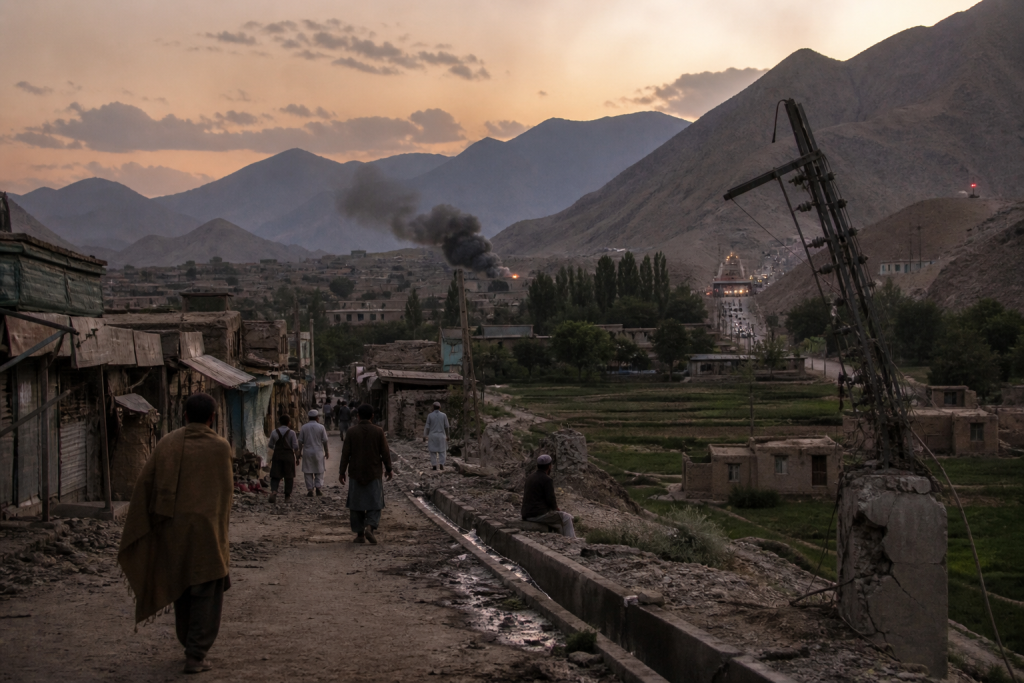
Afghanistan continues to experience relative territorial stability, but recent developments show that security challenges have not disappeared. New fighting and attacks involving armed opposition groups are being reported in several parts of the country, adding another layer of uncertainty for local communities.
A recent United Nations report documented 88 attacks claimed by groups opposed to the Taliban across 21 provinces between May and July. The figures point to continued armed activity, although the attacks remain scattered rather than representing a nationwide military campaign.
The pattern is particularly visible in provinces such as Badakhshan and Herat. Research by the Armed Conflict Location & Event Data project, or ACLED, found that political violence has increased in parts of these provinces this year. The organization links the increase to disputes between Taliban authorities and local communities, as well as attacks by armed opposition groups.
The latest developments do not necessarily indicate a return to the nationwide fighting that characterized Afghanistan before the Taliban takeover. Opposition groups continue to have limited geographic reach, while the Taliban maintains control over the country’s territory. However, localized clashes can still create serious risks for civilians, particularly in areas where political tensions and armed activity overlap.
The security picture is also complicated by violence connected to Afghanistan’s borders. Recent tensions between Afghanistan and Pakistan have added pressure to an already fragile regional environment. Cross-border accusations and military incidents have increased concerns about the potential effects on communities living near the frontier.
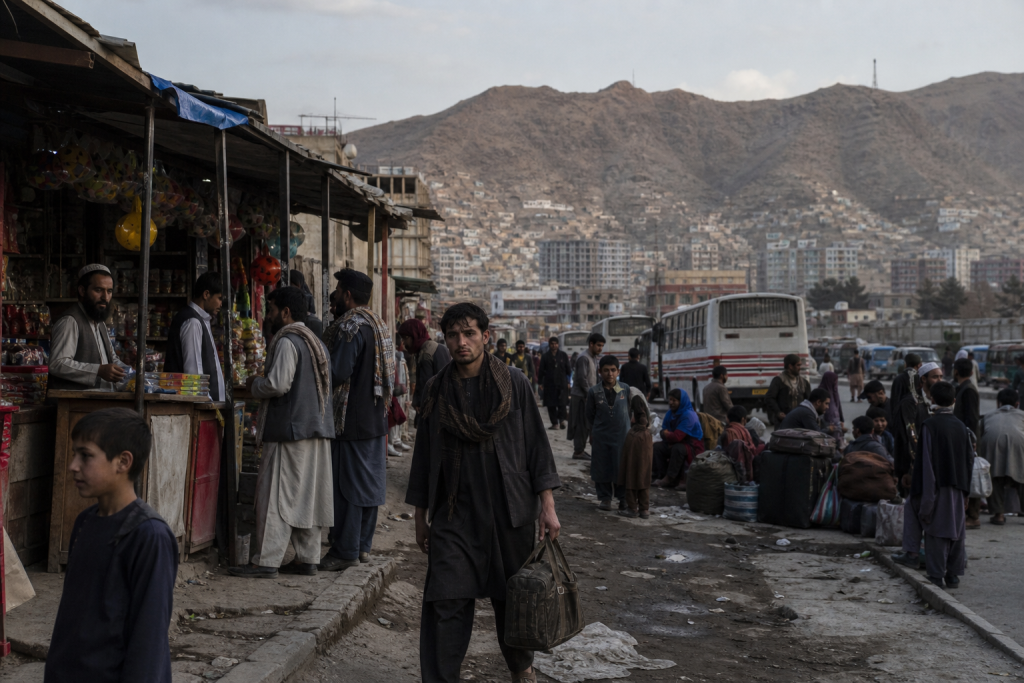
For ordinary Afghans, renewed local violence can have consequences beyond the immediate security situation. Fighting can restrict movement, disrupt trade and agriculture, damage local infrastructure and make access to essential services more difficult. These effects can be particularly serious in provinces where communities already face economic and humanitarian pressures.
Afghanistan’s current security environment therefore presents a mixed picture. The Taliban retains broad territorial control, but localized armed attacks and disputes continue in parts of the country. How authorities respond to these tensions, and whether local conflicts remain contained, will be important factors in determining the country’s security conditions in the months ahead.