
Ariana Global News: From Herat to Samarkand: The Legacy of Miniature Painting and Calligraphy Handed Down by Women
Across the historic cities of Herat and Samarkand, miniature painting and calligraphy have played an important role in preserving the artistic and cultural heritage of the Persian-speaking world and Central Asia. These art forms combine beauty, patience, knowledge, and storytelling. They have decorated manuscripts, recorded historical events, expressed spiritual ideas, and preserved literary traditions for generations. Although many famous historical artists were men, women have also contributed to the preservation of artistic knowledge, family traditions, and cultural memory.
Today, exploring the connection between women and these traditional arts offers an opportunity to recognize their role in protecting cultural heritage and passing valuable skills to future generations.

Herat has long been recognized as one of the important cultural centers of Afghanistan. During the Timurid period, particularly in the fifteenth century, the city became famous for its literary, architectural, and artistic achievements. Manuscript production flourished, and painters, calligraphers, bookbinders, and other skilled craftspeople contributed to the creation of beautifully illustrated books.
Miniature painting transformed manuscripts into detailed visual narratives. Artists carefully depicted historical events, gardens, palaces, landscapes, and scenes from classical literature. Fine lines, balanced compositions, and rich colors helped communicate stories that readers could appreciate beyond the written words.

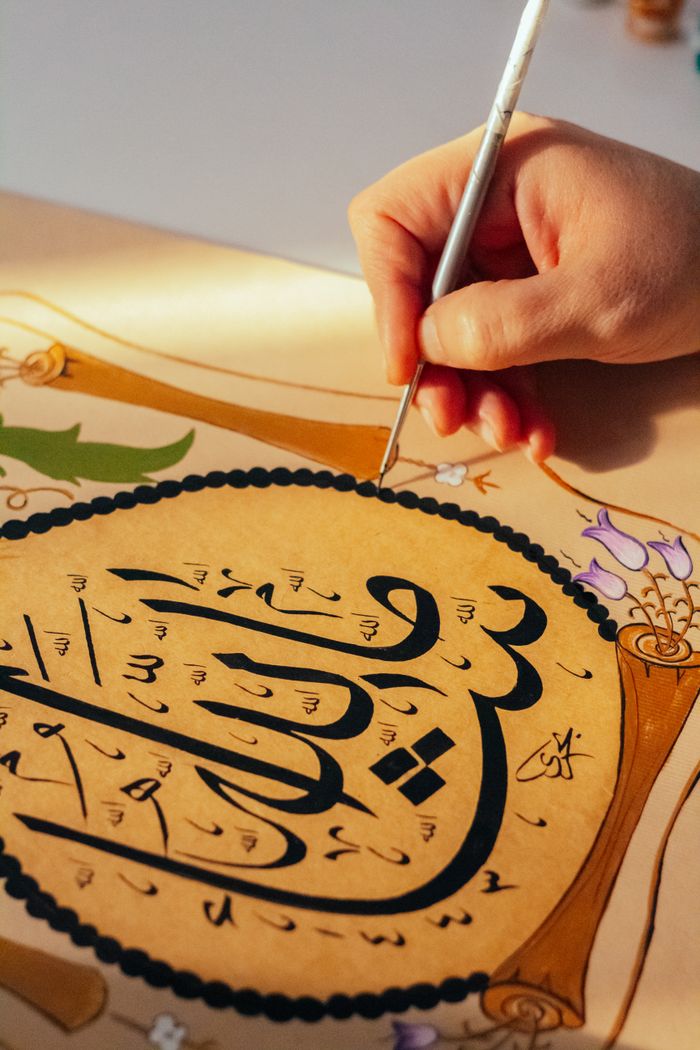
Calligraphy was equally important. Skilled calligraphers shaped letters into elegant forms, turning written language into an art of its own. Persian poetry and literary works benefited from this tradition, and beautifully written manuscripts became treasured cultural objects.
Women’s historical participation in these artistic workshops is not always fully documented. Nevertheless, women could contribute to cultural preservation through family learning, artistic patronage, textile and decorative arts, and the transmission of knowledge within households. Their specific roles varied across periods and communities, and it is important to recognize their contributions without assuming that every woman had the same opportunities.

Samarkand, located in present-day Uzbekistan, was another major center of scholarship, trade, architecture, and artistic exchange. Its position along historic Silk Road routes connected communities across Central Asia, Persia, South Asia, and beyond.
The movement of merchants, scholars, manuscripts, materials, and artistic ideas helped different traditions influence one another. Persian literary culture and book arts circulated widely throughout the region, while local artistic practices added their own distinctive characteristics.
Miniature painting and calligraphy developed within broader networks of royal courts, libraries, religious institutions, and workshops. These environments brought together people with different skills, including scribes, painters, illuminators, and bookbinders. The resulting manuscripts demonstrate how artistic traditions could cross geographical boundaries while retaining regional identities.
Women’s experiences within these cultural networks differed according to their social position, education, and access to artistic spaces. Some women supported learning and cultural production within families and elite households, while others helped preserve artistic and literary traditions through informal teaching and everyday practice.
Traditional art survives when knowledge is shared. Miniature painting requires careful observation, a steady hand, an understanding of composition, and patience in applying fine details. Calligraphy requires practice in letter proportions, spacing, rhythm, and the controlled movement of the writing instrument.
These skills cannot be preserved through books alone. Demonstration, repetition, correction, and personal guidance are essential parts of learning.
In many communities, families have played an important role in passing down crafts and artistic knowledge. Mothers, grandmothers, and other female relatives can help younger generations understand the meaning behind traditional designs, materials, and cultural practices.
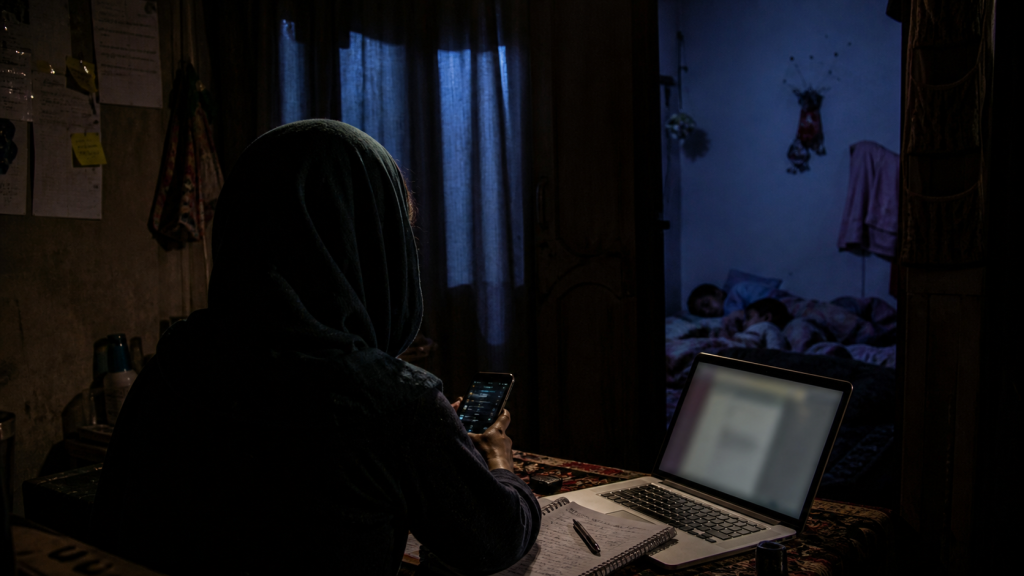
However, not every family follows the same traditions, and artistic knowledge can also be transmitted through teachers, workshops, cultural organizations, and formal education. Today, women artists can combine these methods with digital platforms to share their work with wider audiences.
Miniature painting and calligraphy face challenges common to many traditional art forms. Changes in education, limited access to training, economic pressures, and competition from mass-produced goods can make it difficult for artisans to earn a stable living. Conflict and displacement can also interrupt the transfer of knowledge between generations.
Another challenge is the limited documentation of some artists, particularly women whose work may not have been formally recorded or attributed. Preserving their stories requires careful research, oral-history projects, museum collections, and collaboration with local communities.
Supporting traditional artists means more than celebrating their work. It also involves creating opportunities for training, exhibitions, fair compensation, and access to markets. Schools, cultural institutions, and community organizations can help younger people discover these art forms and understand their historical significance.
The artistic connections between Herat and Samarkand demonstrate how cultural heritage develops through exchange, creativity, and the dedication of many generations. Miniature painting and calligraphy are not simply decorative practices; they are ways of recording stories, expressing ideas, and connecting people with their history.
Recognizing women’s contributions requires both appreciation and accurate historical research. Their experiences should be documented through reliable sources, interviews, family archives, and the study of surviving artworks wherever possible.
By supporting women artists, teaching traditional techniques, and documenting local histories, communities can help ensure that these traditions remain active rather than becoming distant memories. From Herat to Samarkand, the legacy of miniature painting and calligraphy continues to offer a powerful reminder that cultural heritage survives when knowledge is valued, shared, and renewed by each generation.
The story of miniature painting and calligraphy across Herat, Samarkand, and the wider Silk Road is a story of artistic exchange and cultural continuity. While historical records do not always fully reveal women’s individual contributions, their roles in family learning, artistic practice, and cultural preservation deserve thoughtful attention. Investing in education, documentation, and opportunities for contemporary women artists can help protect these remarkable traditions and carry their legacy into the future.