

Navigating the New Era of Cybersecurity Threats and Digital Privacy
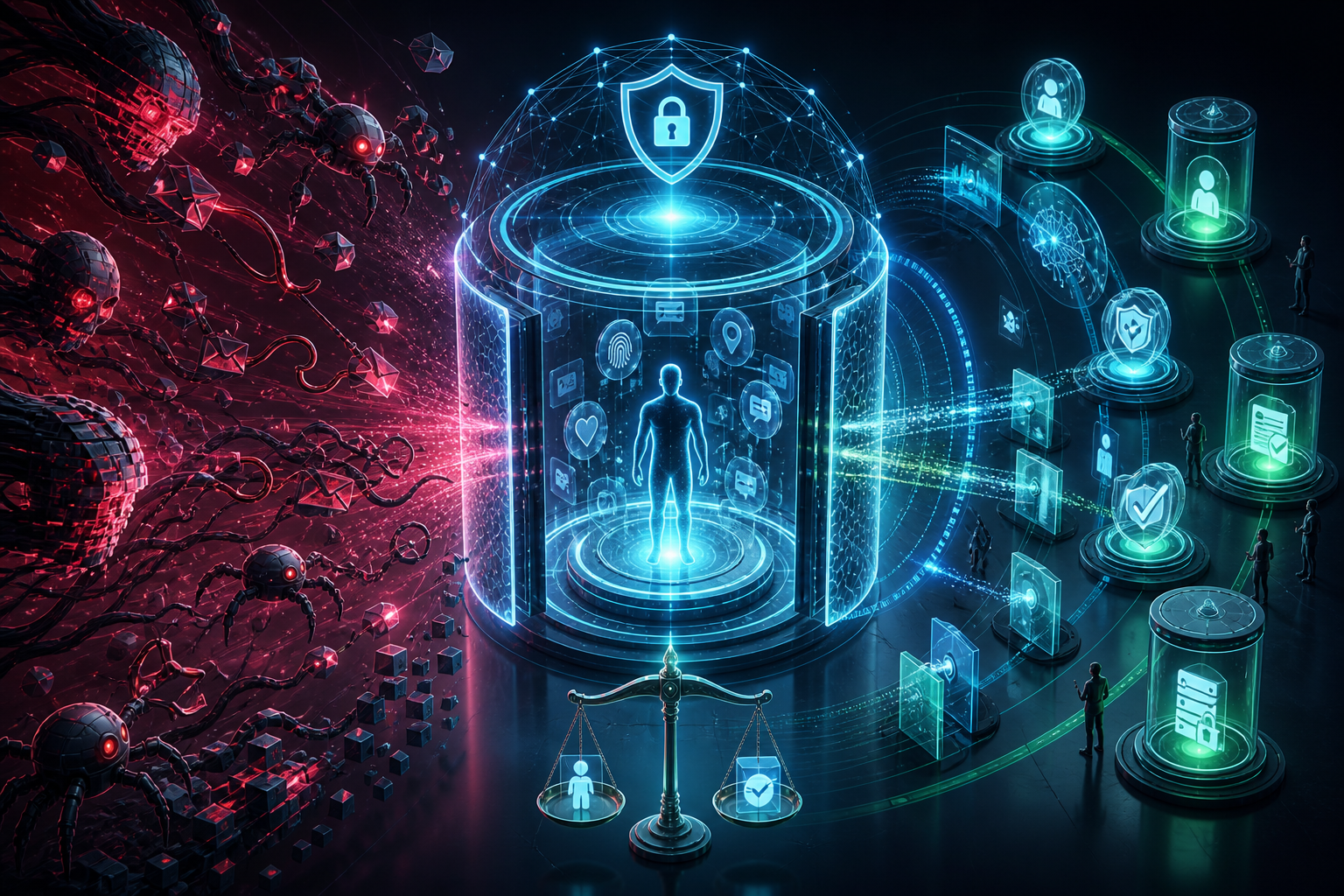
Artificial intelligence is enabling more sophisticated cyberattacks, including automated breaches and large-scale social engineering. Organizations are responding with proactive measures such as continuous monitoring, zero-trust architectures, and intelligent threat detection.
Stricter privacy and artificial intelligence regulations are requiring businesses to combine cybersecurity and privacy through unified data protection strategies. Key measures include privacy by design, data minimization, transparent consent, and comprehensive risk assessments.
The intersection of cybersecurity and digital privacy has reached a critical juncture as organizations worldwide confront a rapidly evolving threat landscape. As technology continues to advance at an unprecedented pace, malicious actors are increasingly leveraging artificial intelligence and machine learning to automate attacks, scale social engineering campaigns, and bypass traditional security perimeters. These AI-driven threats have transformed the digital ecosystem, making breaches more sophisticated and harder to detect than ever before.
In response, industry leaders and security professionals are heavily investing in proactive defense mechanisms, shifting away from reactive postures toward continuous monitoring, zero-trust architectures, and intelligent threat detection systems. At the same time, the regulatory environment surrounding digital privacy is undergoing a massive transformation. Governments and international bodies are enforcing stricter compliance frameworks, such as expanded data protection regulations and specialized artificial intelligence acts, to hold corporations strictly accountable for consumer data.

Organizations can no longer treat cybersecurity and privacy as separate silos; instead, they must adopt unified data protection strategies that incorporate privacy-by-design principles. Compliance mandates now require enterprises to implement robust data minimization protocols, transparent consent mechanisms, and rigorous risk assessments to safeguard sensitive user information against relentless digital threats.
Ultimately, fostering digital trust requires a holistic commitment where technological innovation goes hand in hand with uncompromising security and respect for individual privacy rights.

Another important challenge is the growing connection between cybersecurity and artificial intelligence. AI can help organizations detect unusual activity and respond to threats faster, but the same technology can also make cyberattacks more sophisticated. This makes continuous security monitoring, strong access controls and responsible use of AI increasingly important for organizations handling sensitive information.