

New Horizons in Deep Space Astronomy: Unveiling the Universe’s Hidden Architecture
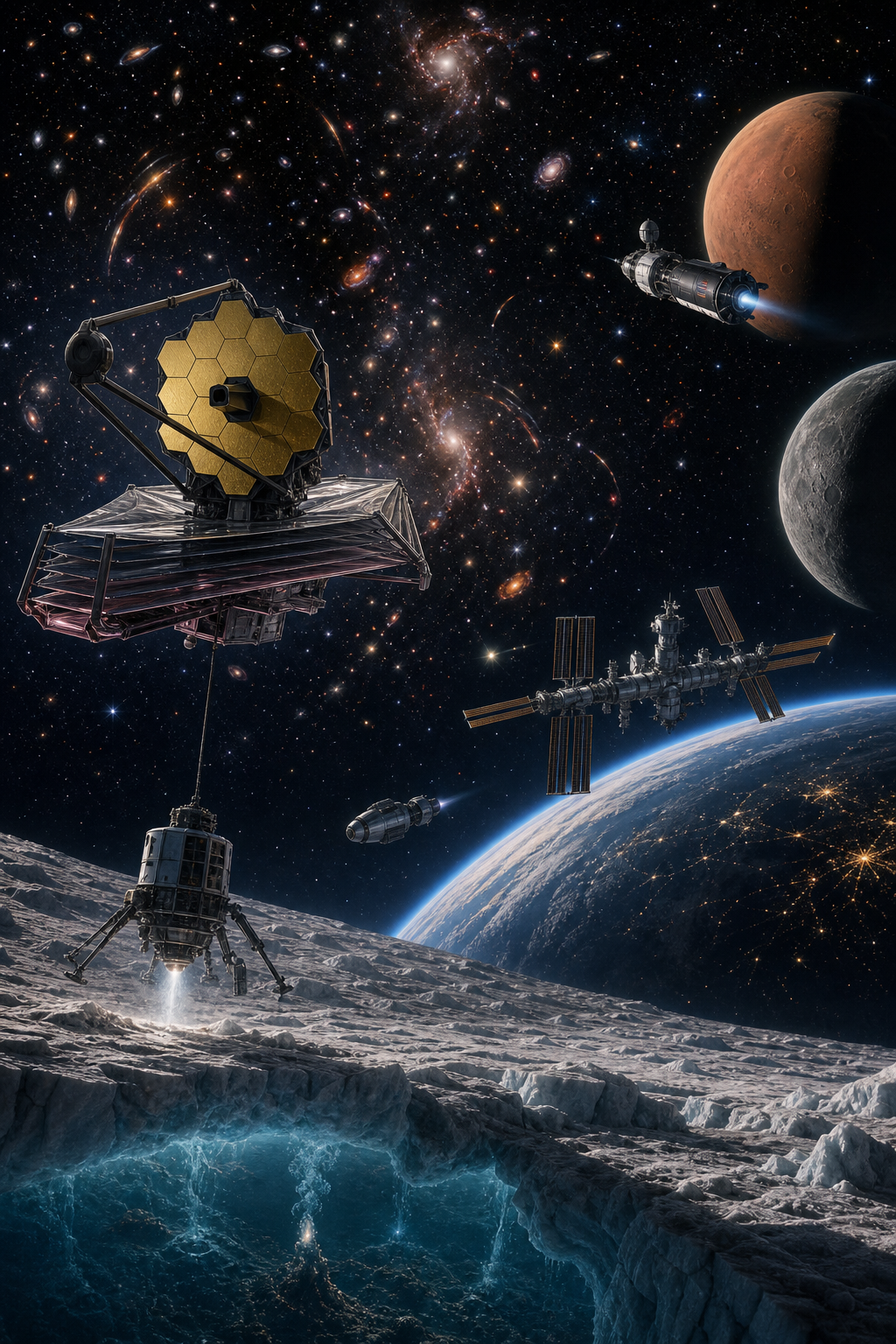
Recent advancements in space exploration and astronomical observation are rapidly reshaping our fundamental understanding of the cosmos. Over the past year, the deployment of next-generation orbiting observatories, combined with sophisticated ground-based interferometry, has allowed astrophysicists to peer deeper into the early universe than ever before. These state-of-the-art instruments have captured unprecedented high-resolution imagery of primordial galaxies, offering critical insights into how stellar structures formed shortly after the Big Bang.
Simultaneously, interplanetary robotic missions have intensified their search for biosignatures within our own solar system. Data returned from recent probes analyzing the subsurface oceans of icy moons have heightened scientific interest in extraterrestrial habitability, prompting space agencies worldwide to prioritize upcoming flagship missions dedicated to astrobiology. Furthermore, the commercial aerospace sector continues to revolutionize access to low Earth orbit.

Public-private partnerships are accelerating the launch cadence of modular research platforms, drastically reducing the cost of microgravity experimentation and deep-space transit technology. As international frameworks adapt to these rapid technological shifts, the global scientific community stands on the precipice of a new era of discovery. With upcoming missions aiming to return lunar samples and eventually crew Mars, the synergy between advanced telescopic observation and crewed exploration promises to unlock answers to some of humanity's oldest questions regarding our place in the universe.