
Ariana Global Dispatch: Geopolitical Shifts in Central and South Asia Today
Ariana Global Dispatch: Major Geopolitical Shifts in Central and South Asia to Watch Today
Central and South Asia are undergoing rapid and consequential changes that could reshape regional balances of power, trade corridors, and security dynamics. This Ariana Global Dispatch outlines the key shifts to monitor right now and the immediate indicators that signal broader trends.
1. Afghanistan: The Wildcard
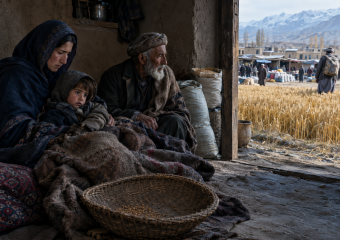
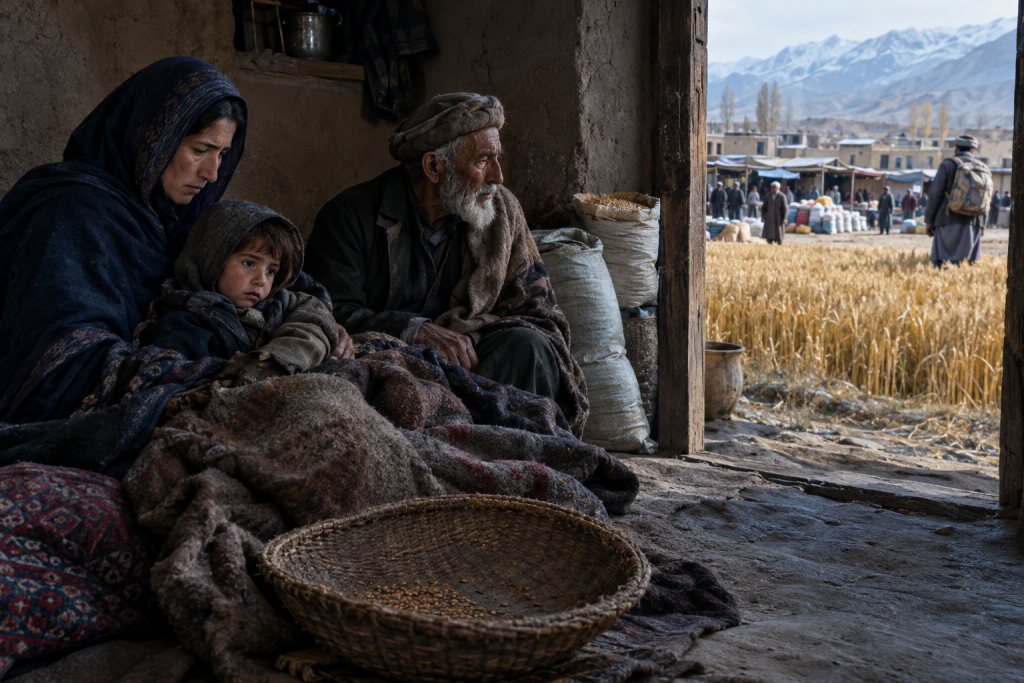
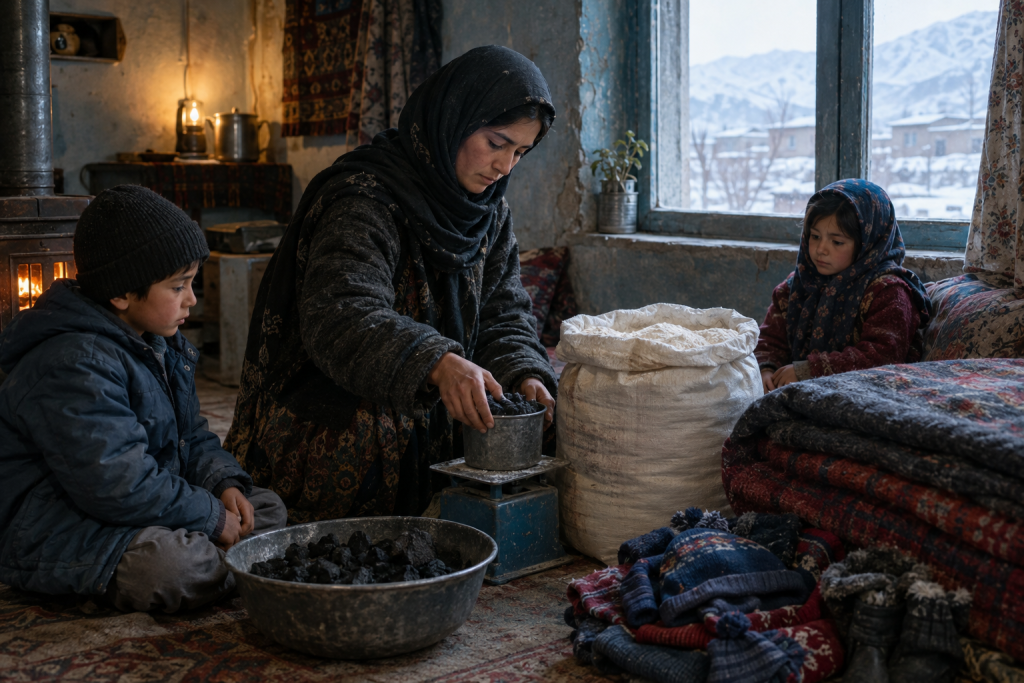
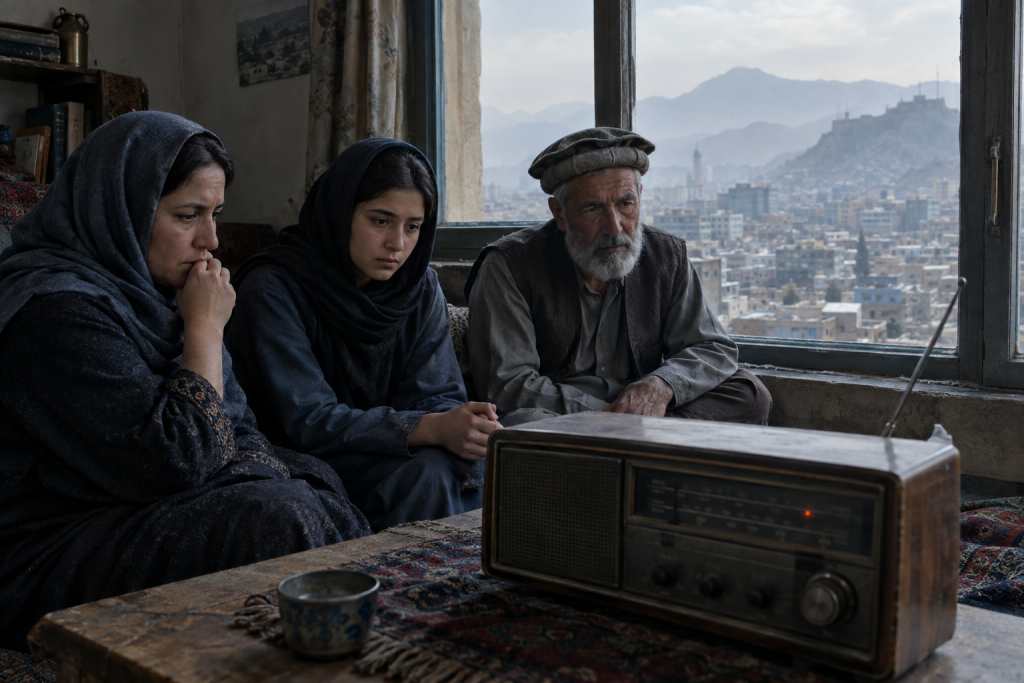
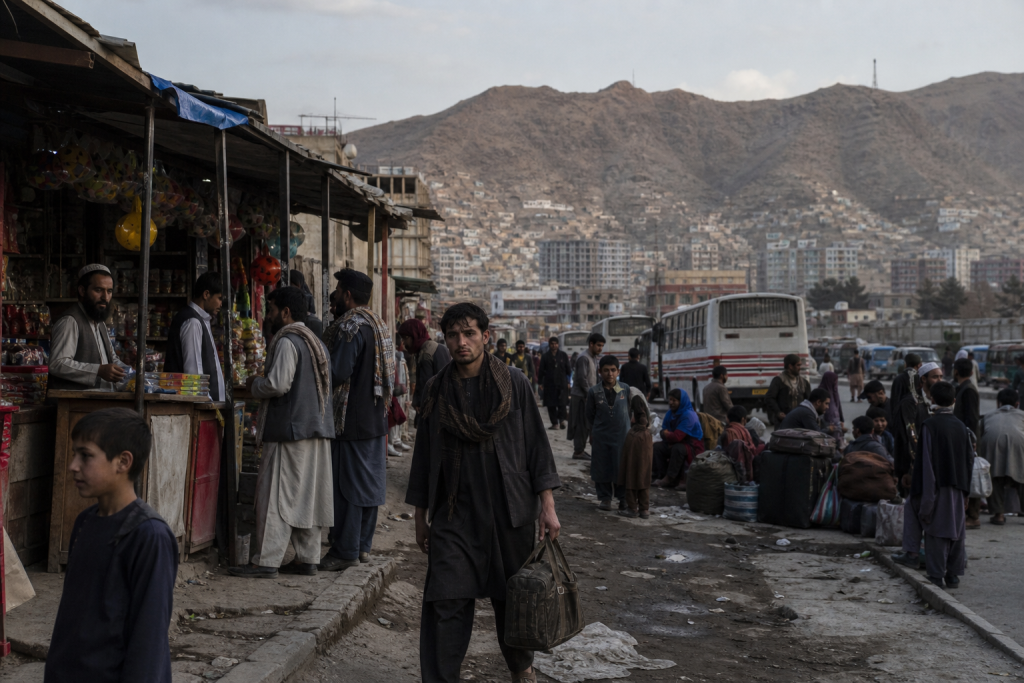
Afghanistan remains the region’s most volatile element. The Taliban’s governance, continued humanitarian crisis, and the persistence of groups like ISIS-K keep Afghanistan central to regional stability.

- Watch for: border closures, refugee flows into Pakistan and Iran, cross-border militant attacks, and any new agreements between Kabul and neighboring capitals.
- Why it matters: instability in Afghanistan destabilizes trade routes, fuels extremist spillover, and prompts security realignments among Pakistan, Iran, China, and Russia.
2. Pakistan’s Balancing Act and Economic Pressure
Pakistan’s economic fragility and political turbulence are altering its external posture. Reliance on China’s investments—particularly under the China-Pakistan Economic Corridor (CPEC)—is deepening even as Islamabad seeks relief from the IMF and other partners.
- Watch for: new CPEC project launches or delays, currency and debt-related announcements, shifts in defense procurement, and Pakistan’s diplomatic engagement with Saudi Arabia and China.
- Why it matters: Pakistan’s choices affect India-Pakistan dynamics, China’s corridor ambitions, and stability along the Afghan border.
3. India’s Strategic Outreach and Regional Influence
India is expanding its diplomatic, economic, and security footprint across Central and South Asia. From infrastructure investments to defense partnerships, New Delhi is asserting a more proactive regional role.

- Watch for: infrastructure agreements (ports, rail links), defense sales and joint exercises, and coordination with Iran on Chabahar port to bypass sanctions and improve connectivity to Afghanistan and Central Asia.
- Why it matters: India’s outreach provides alternatives to China’s influence and reshapes trade and security alignments from the Arabian Sea to Central Asia.
4. China’s Economic Leverage and Security Interests
China continues to project influence through infrastructure finance, trade, and growing security cooperation. However, Beijing faces headwinds from a slowing economy and local resistance to some Belt and Road projects.
- Watch for: announcements on BRI financing, investments in Central Asian energy and mining, increased Chinese security assistance to Afghanistan or Pakistan, and Beijing’s diplomatic moves with Central Asian capitals.
- Why it matters: China’s role determines the viability of major corridors and shapes regional dependence on Beijing.
5. Central Asia’s Quiet Reorientation
Kazakhstan, Uzbekistan, Kyrgyzstan, Tajikistan, and Turkmenistan are diversifying partnerships—balancing ties with Russia, China, Turkey, and the EU while safeguarding sovereignty.

- Watch for: high-level visits, trade agreements that diversify export markets, infrastructure projects connecting to Europe or South Asia (e.g., Trans-Caspian routes), and military cooperation shifts.
- Why it matters: Central Asian decisions affect energy routes, migration patterns, and the strategic depth of both China and Russia.
6. Russia’s Focus and Limits
Russia retains historical ties and security influence in the region but is stretched by its military commitments elsewhere. Moscow’s ability to project power in Central Asia and influence South Asia is being tested.
- Watch for: troop movements near borders, renewed security pacts, arms deliveries, and economic measures to maintain influence amid Western sanctions.
- Why it matters: any diminution of Russian capacity opens space for China, Turkey, and regional actors to advance their interests.
7. Energy, Trade Corridors, and Infrastructure Competition
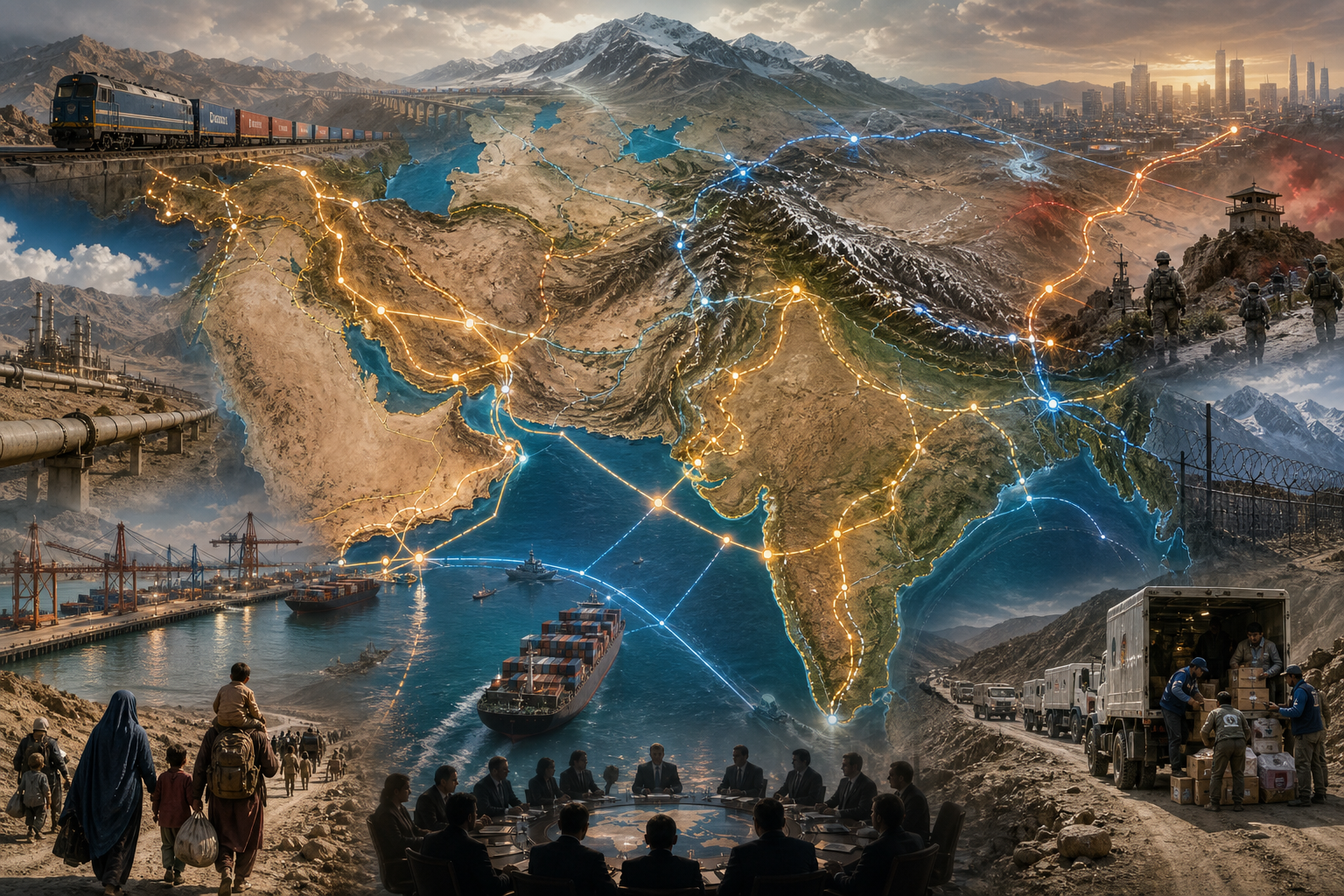
Competing visions for connectivity—China’s BRI, India’s Indo-Pacific initiatives, Iran’s Chabahar, and multilateral corridor proposals—are converging and clashing across the region.
- Watch for: pipeline deals, port access agreements, corridor funding announcements, and disruptions to major rail and road links.
- Why it matters: control over energy and transport corridors directly influences economic growth and strategic leverage.
Key Signals to Watch Today
- High-level diplomatic visits and summit outcomes
- Border incidents, troop deployments, and security alerts
- Announcements on corridor financing or project cancellations
- Currency volatility and sudden shifts in trade statistics
- Refugee movements and humanitarian access reports
Central and South Asia’s geopolitical landscape is characterized by overlapping interests, competing infrastructure visions, and persistent security risks. This Ariana Global Dispatch highlights the near-term indicators that will reveal whether the region trends toward greater cooperation and connectivity—or toward heightened competition and instability. Monitoring these signals today can provide early warning of shifts that will shape the broader Eurasian order.