
From Computer Screens to Real Experiments: AI Takes a New Step Into Biology
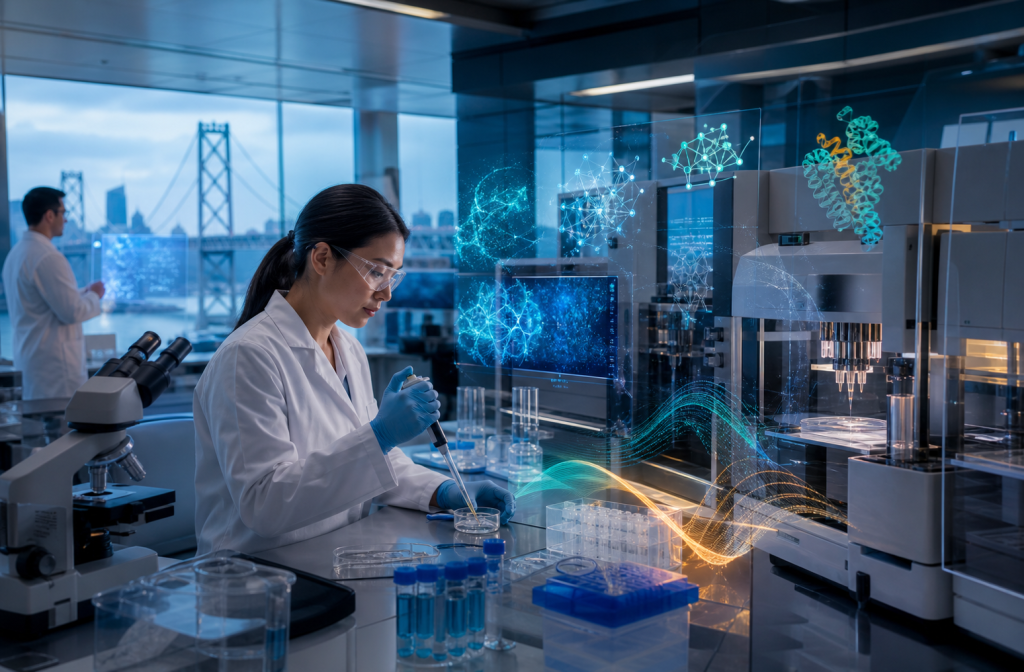
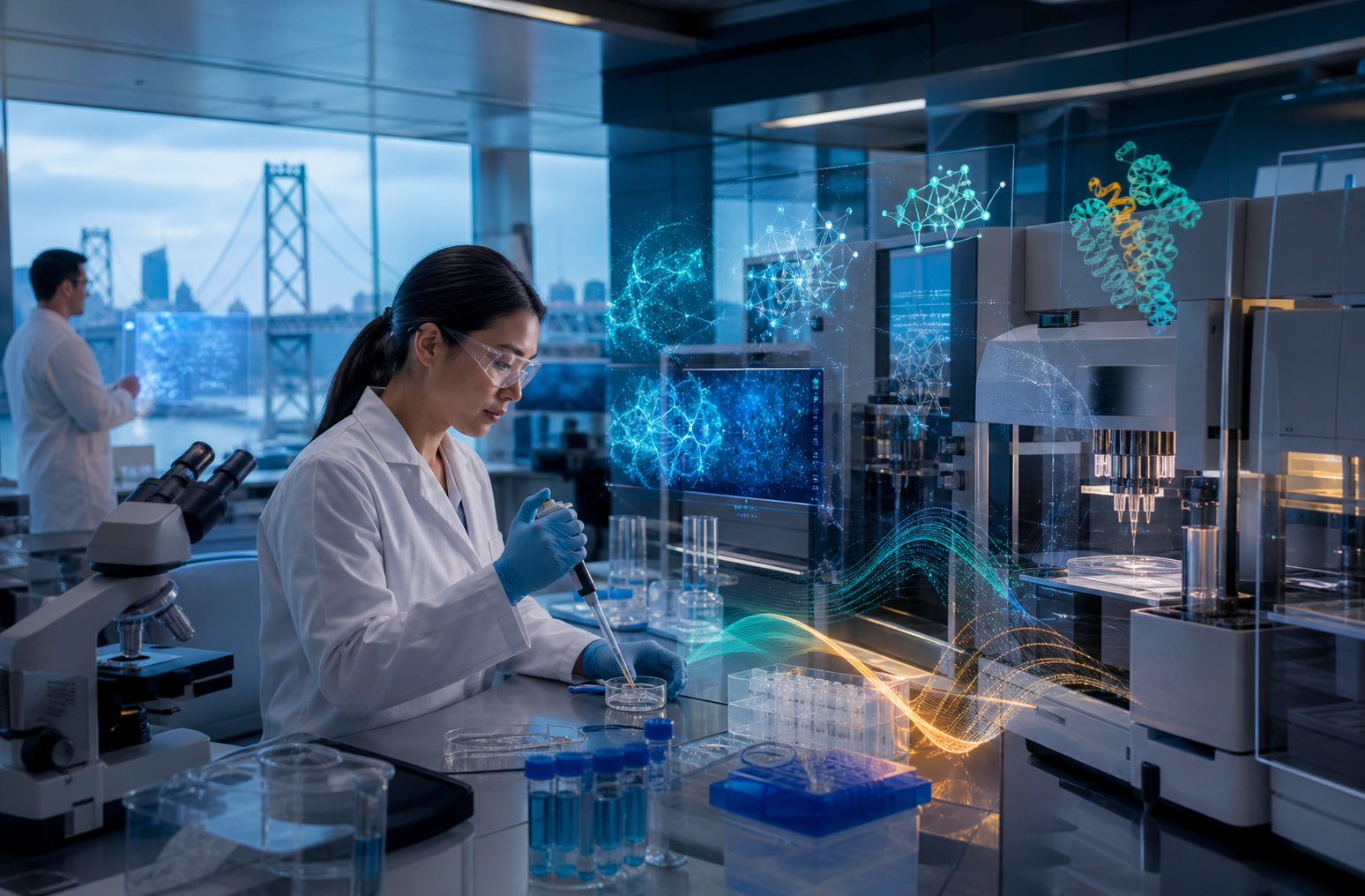
Artificial intelligence companies are beginning to combine advanced models with physical laboratory experiments. Anthropic has established a biology lab in the San Francisco Bay Area to support research involving biomolecular modeling, protein design, biological data analysis and potential drug discovery.
The approach could accelerate scientific research by helping identify patterns and test ideas, but it also raises safety concerns. Controlled access, safety evaluations and human oversight are increasingly important as AI systems become more capable in biological research.

Artificial intelligence is moving into a new phase of scientific research, with AI companies beginning to combine advanced models with real laboratory experiments. The shift could change how scientists study diseases, analyze biological systems and search for potential new treatments.
Anthropic has established a physical biology laboratory in the San Francisco Bay Area as it expands its work in life sciences. Unlike research based entirely on computer simulations, the new facility allows scientists to conduct experiments with biological materials and connect those results with the capabilities of AI systems.
The development reflects a broader effort to use artificial intelligence as a practical research partner rather than simply as a tool for answering questions or analyzing existing information. AI models can process large amounts of scientific data, identify patterns and help researchers develop possible explanations. Laboratory experiments can then test whether those ideas actually work in the real world.
Anthropic has been expanding its scientific capabilities through its Claude Science platform, research partnerships and investment in biological expertise. Its work includes areas such as biomolecular modeling, protein design and other forms of scientific computing. The company has also announced programs intended to give researchers access to AI systems with safeguards designed specifically for life-science applications.
The potential benefits are significant. Drug research can require years of experiments and the analysis of enormous amounts of biological information. AI could help researchers identify promising possibilities more quickly, reduce some repetitive tasks and explore scientific questions that may be difficult to investigate using conventional methods alone.
At the same time, combining powerful AI with real-world biological research creates new challenges. Advanced models can be useful for legitimate scientific work while some of the same capabilities could potentially be misused. This has increased attention on controlled access, safety testing and human oversight as AI systems become more capable in scientific fields.
Anthropic has recently reported stronger safeguards for certain biological applications after identifying cases in which its models were used in activities that could potentially contribute to dangerous biological research. The company has emphasized that evaluations of AI capabilities do not by themselves prove that such systems will be used to cause harm, but they demonstrate why additional safeguards may be necessary as capabilities improve.
The move toward physical experimentation represents an important change in the relationship between AI and science. The next stage will depend on whether researchers can combine the speed of artificial intelligence with the reliability, oversight and evidence required by real-world scientific research.