
Humanitarian Corridors Open: Aid Routes, Access Challenges, and the Future of Emergency Relief
Meta Description: Humanitarian corridors can help deliver food, medicine, shelter, and other essential assistance to communities affected by conflict and disasters. Explore how these aid routes work, the challenges they face, and their role in emergency relief.
When conflict, natural disasters, or other emergencies disrupt normal transportation and access to essential services, humanitarian corridors can provide a temporary pathway for delivering life-saving assistance. These designated routes are intended to help humanitarian organizations reach vulnerable communities with food, medicine, clean water, shelter materials, and other essential supplies.

Humanitarian corridors can take different forms depending on the circumstances. They may involve agreed routes for aid convoys, temporary access arrangements, evacuation pathways, or specific crossings that allow relief organizations to operate in otherwise difficult-to-reach areas. Their effectiveness depends heavily on cooperation among authorities, humanitarian organizations, local communities, and other parties controlling access.
Why Humanitarian Corridors Matter
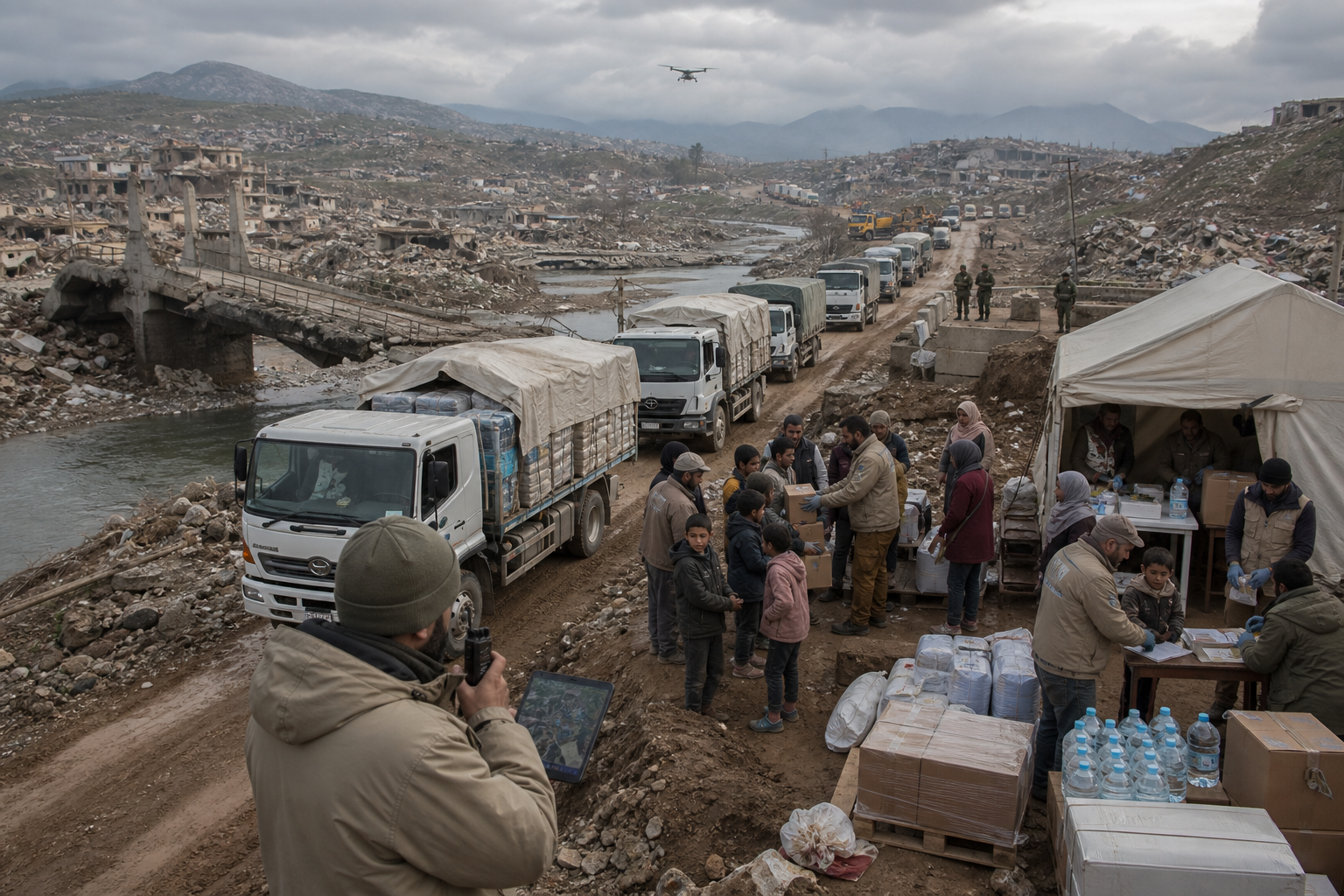
During major crises, damaged infrastructure and insecurity can prevent assistance from reaching people who need it most. Roads may be blocked, bridges destroyed, or transportation networks disrupted. In conflict-affected areas, security concerns can create additional barriers for aid workers and civilians.

Humanitarian corridors can help reduce some of these obstacles by creating more predictable routes for relief operations. International and local organizations can use these pathways to transport medical supplies, food, water, temporary shelter materials, and other necessities.
For communities facing prolonged emergencies, reliable humanitarian access can also support hospitals, schools, shelters, and local service providers.

Challenges Facing Aid Routes
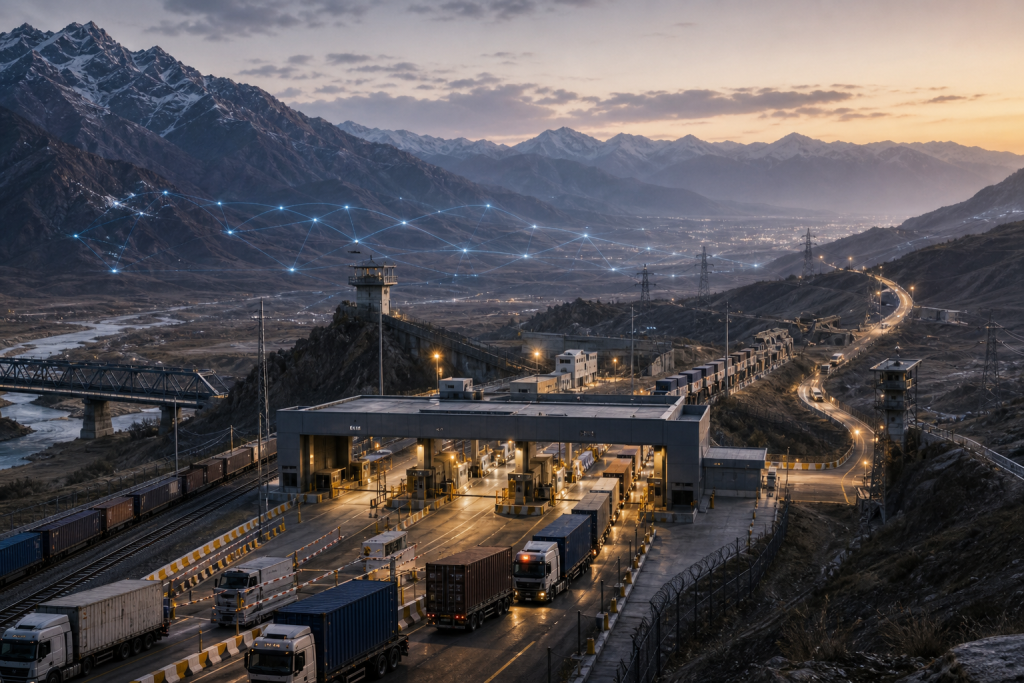
Opening a humanitarian corridor does not automatically guarantee safe or continuous access. Security remains one of the biggest challenges. Aid convoys may face checkpoints, changing security conditions, damaged roads, or restrictions on movement.
Coordination is another major issue. Humanitarian organizations often need to communicate with multiple authorities and local partners before supplies can move safely. Delays at border crossings and administrative restrictions can also affect the timing of deliveries.
Infrastructure presents another challenge. Even when a route is officially available, damaged roads, fuel shortages, poor weather, and limited transportation capacity can prevent aid from reaching its destination.
The Future of Emergency Relief
Technology and improved coordination could make humanitarian corridors more effective in the future. Real-time mapping, satellite imagery, digital communication systems, and data-sharing platforms can help relief organizations identify accessible routes and respond more quickly to changing conditions.
However, technology cannot replace cooperation and respect for humanitarian principles. Safe access requires sustained coordination, protection of civilians, and the ability of humanitarian organizations to deliver assistance based on need.
As global emergencies become increasingly complex, humanitarian corridors will remain an important tool for emergency response. Their success ultimately depends not only on opening routes, but also on keeping those routes accessible, safe, and connected to the communities that need assistance most.