
Afghanistan-Pakistan Tensions Escalate Deportation Risks for Afghan Migrants
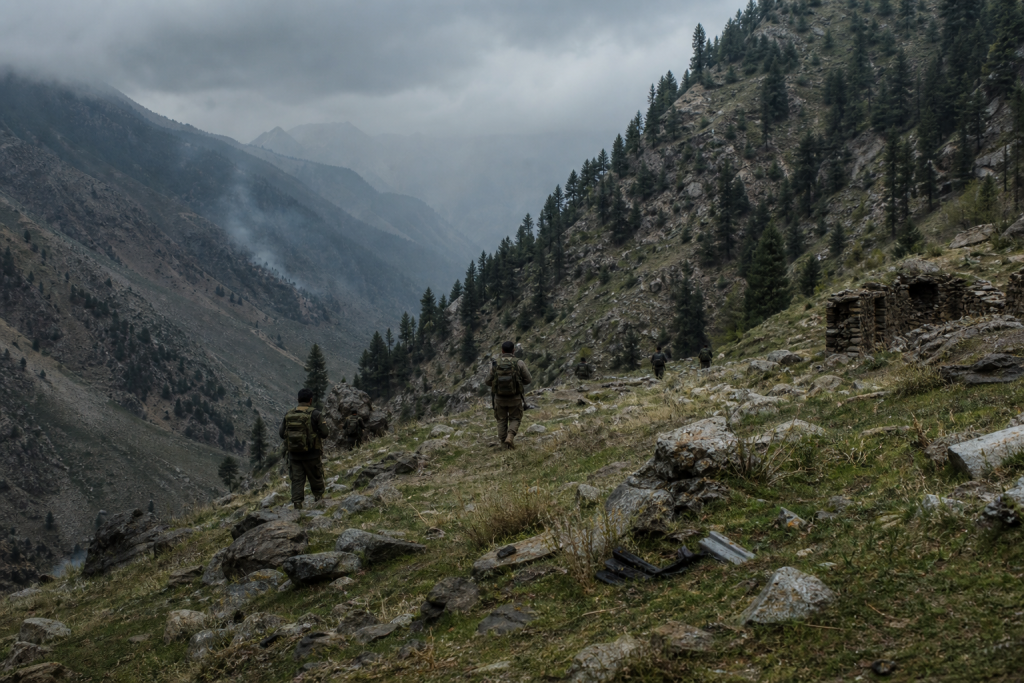
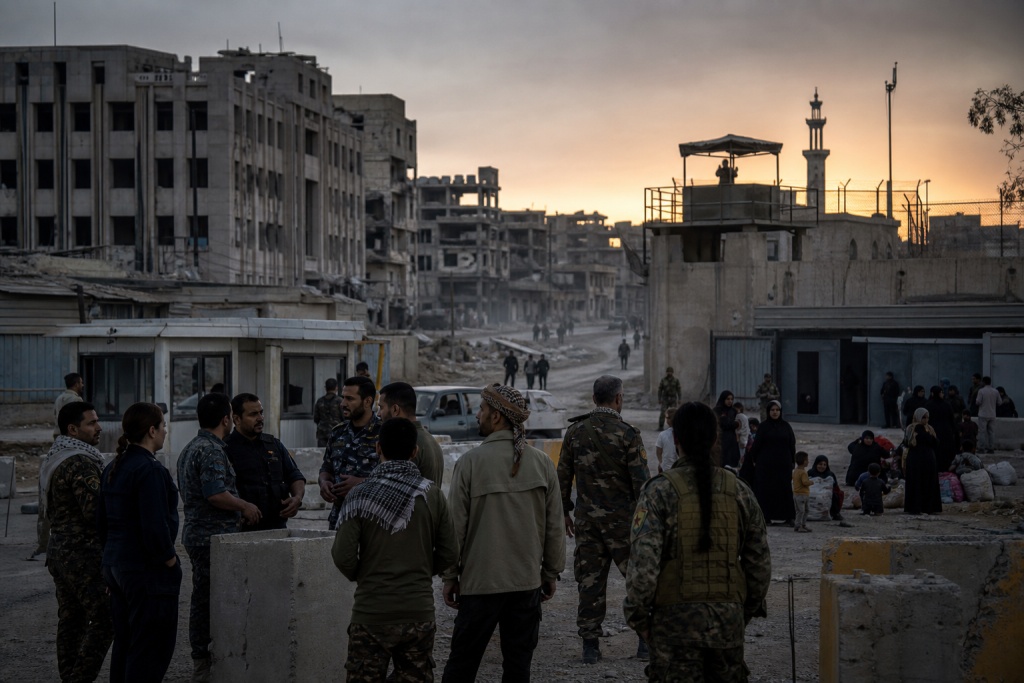
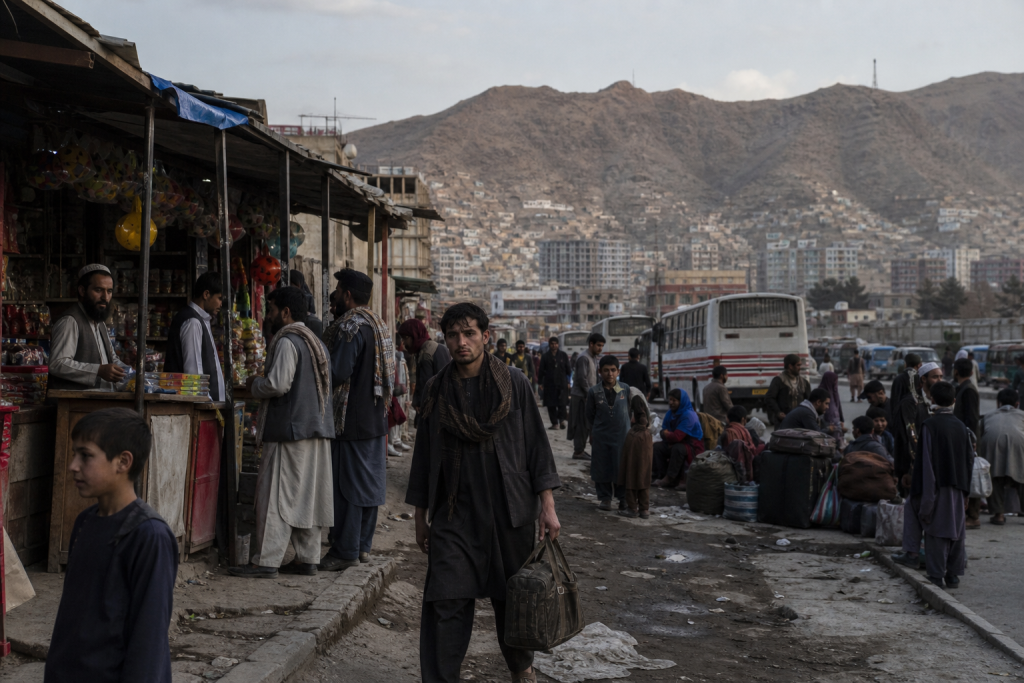
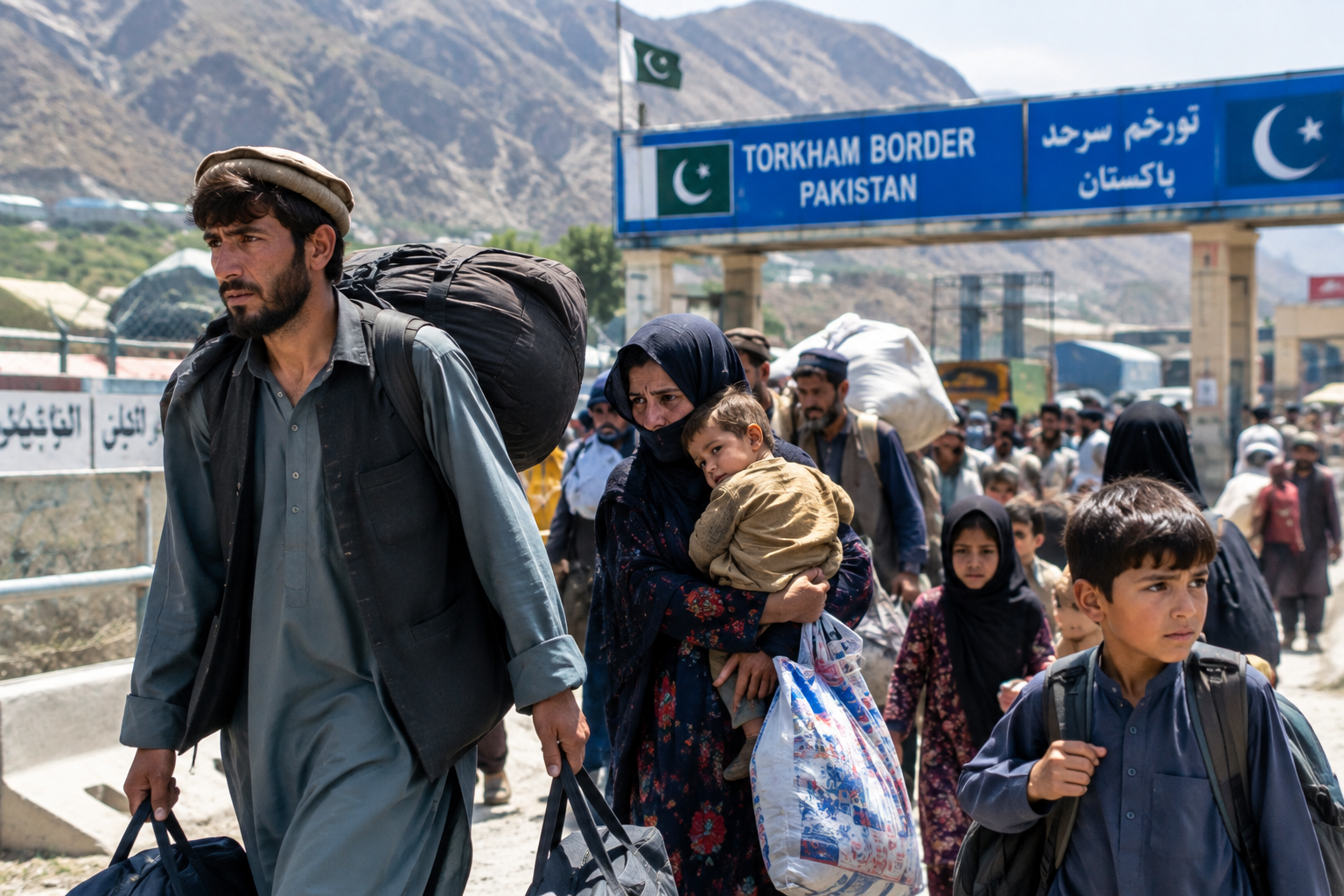
Tensions between Afghanistan and Pakistan are creating increasingly serious challenges for Afghan migrants and refugees living in Pakistan, as concerns over deportation, legal documentation and their long-term future continue to grow.
Pakistan hosts a large Afghan population, including registered refugees and Afghans who have arrived in the country in recent years. According to UNHCR data, hundreds of thousands of Afghans returned to Afghanistan from Pakistan during 2026 through both voluntary and forced returns. As of August 22, UNHCR reported more than 686,000 total returns from Pakistan to Afghanistan during the year, including approximately 63,800 deportations.

The situation has become more difficult as Pakistan continues to enforce immigration requirements. Pakistani authorities have stated that Afghan nationals without valid travel documents may face deportation, while emphasizing that vulnerable groups, including women, children and older people, should receive appropriate consideration.
Human rights organizations have also expressed concern about the impact of intensified enforcement on Afghan communities. Human Rights Watch reported that raids, detentions and forced returns have increased amid renewed tensions between Afghanistan and Pakistan, creating additional obstacles to accessing essential services such as health care and education.

For many Afghan families, the uncertainty extends beyond their immigration status. Returning to Afghanistan may require them to rebuild their lives in communities already facing significant humanitarian and economic pressures. UNHCR has characterized the situation as a complex regional displacement crisis involving Afghanistan, Pakistan and Iran.
As tensions between the two neighboring countries persist, the future of Afghan migrants in Pakistan remains a significant humanitarian and diplomatic concern. Calls for lawful treatment, protection for vulnerable families and strengthened regional dialogue are likely to remain central to discussions surrounding the crisis.

Rising tensions between Afghanistan and Pakistan are creating serious challenges for Afghan migrants, including concerns over deportation, legal documentation, and their future in Pakistan.
Rising tensions between Afghanistan and Pakistan are worsening conditions for Afghan migrants and refugees in Pakistan. Deportation risks, documentation requirements, raids and detentions have increased, while UNHCR reported more than 686,000 returns to Afghanistan in 2026, including approximately 63,800 deportations.
The crisis raises humanitarian concerns about vulnerable families, access to health care and education, and the challenges of rebuilding lives in Afghanistan. Lawful treatment, protection and regional dialogue remain central to efforts toward sustainable solutions.