
Technology Creates New Paths for Afghan Girls
Online learning and digital tools are giving some Afghan girls new opportunities to continue their education despite ongoing restrictions.
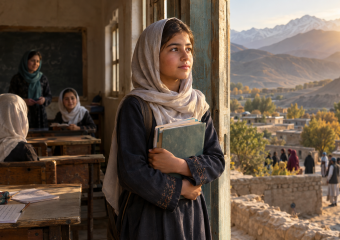
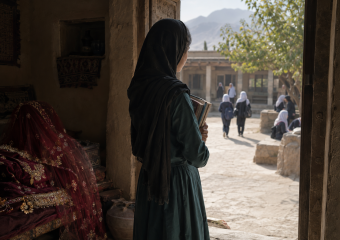
KABUL — For millions of Afghan girls, the traditional classroom has become inaccessible. Yet the desire to learn remains strong, and technology is creating new ways for some students to continue their education.

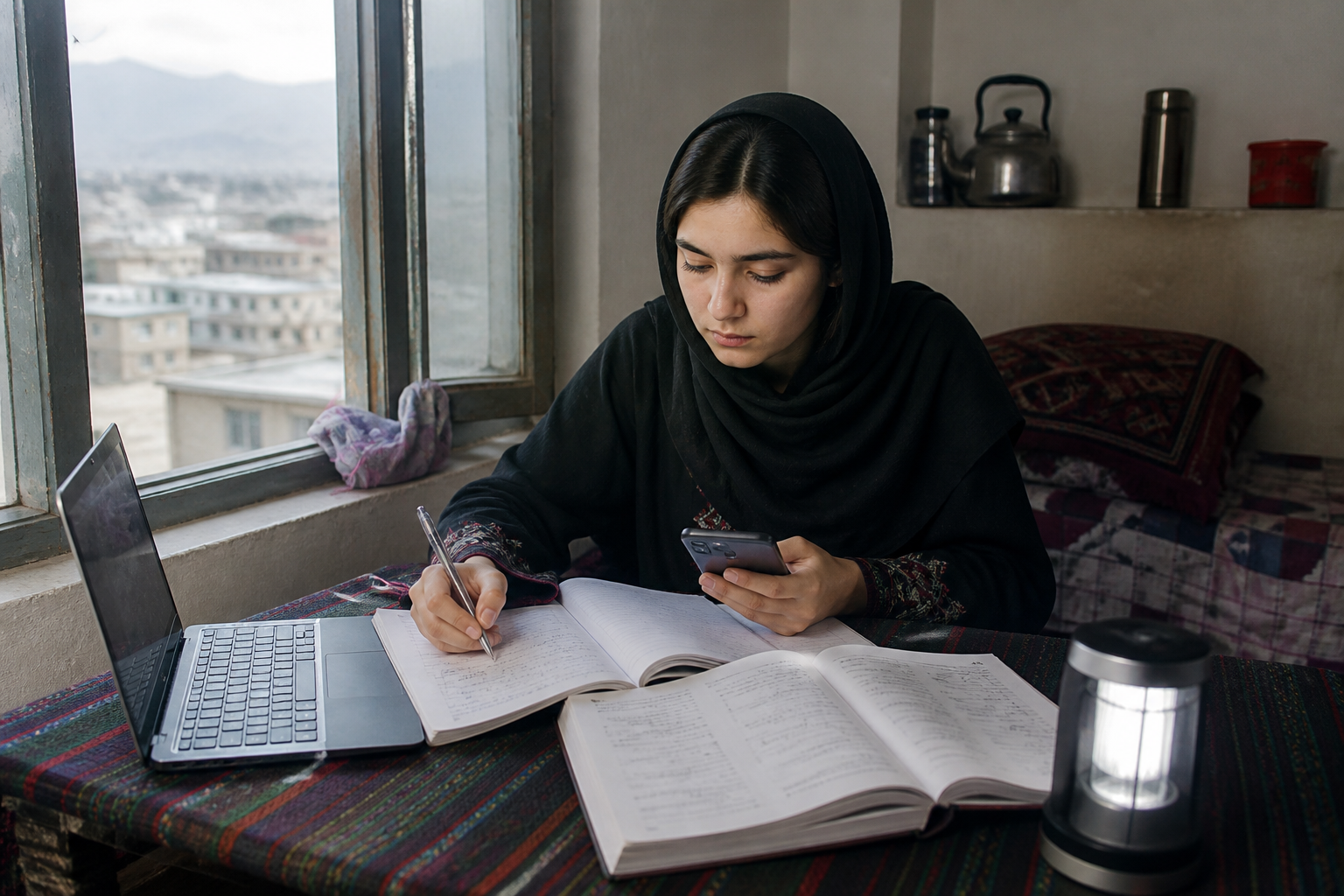
Since girls were excluded from secondary education and women were later prevented from attending universities, online learning has become increasingly important for Afghan students. Digital classrooms, smartphones, messaging applications and educational platforms are helping some girls study from home and remain connected to learning.
According to UNESCO, Afghanistan remains the only country in the world where girls and women are formally prohibited from secondary and higher education. About 2.4 million adolescent girls are currently excluded from secondary school.

The restrictions have encouraged educators and organizations to develop alternative approaches to education. One example is SOLAx, an online learning platform created by the School of Leadership Afghanistan. The platform uses WhatsApp to provide curriculum-based lessons, making it possible for students to access educational material through commonly available mobile technology.
For girls who cannot enter a physical classroom, this type of digital education can provide an important connection to teachers and learning materials. Students can study subjects such as mathematics, science, English and other areas without having to travel to a school.

Other online education initiatives are also working to reach Afghan girls inside the country. These programs demonstrate that education can continue in different forms even when access to traditional schools is restricted.
Technology may also create opportunities beyond school subjects. Digital courses can help Afghan women and girls develop skills in languages, computer literacy, digital technology and other fields that could be useful for their future education and employment.
Artificial intelligence could become another part of this changing education landscape. AI-based learning tools can provide explanations, practice activities and personalized assistance, potentially helping students who have limited access to teachers. However, these technologies still depend on access to devices, electricity and reliable internet.
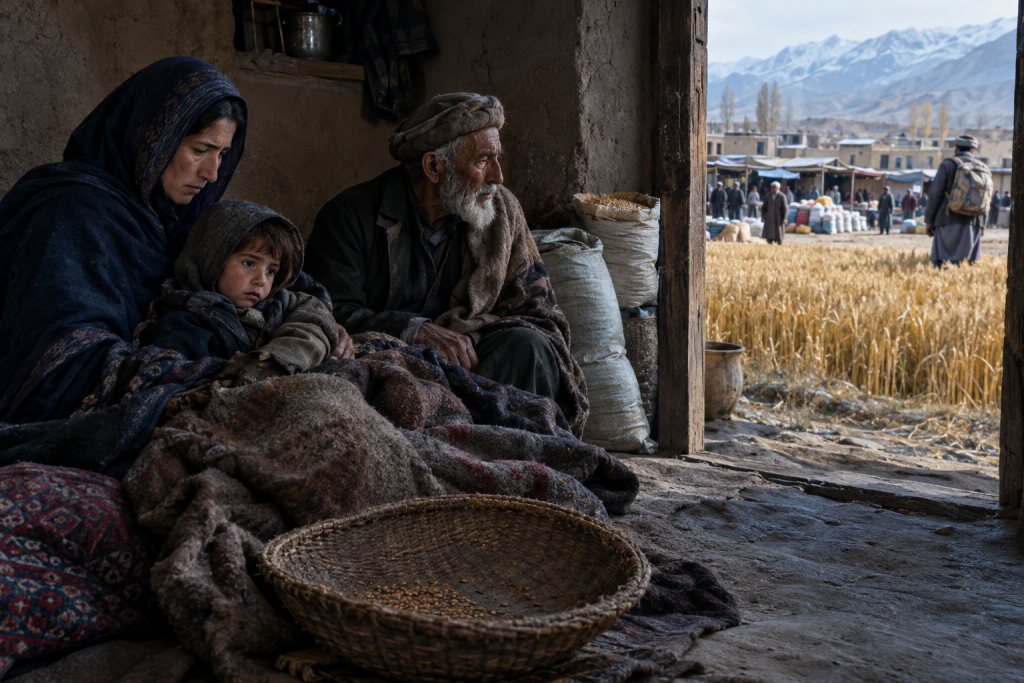
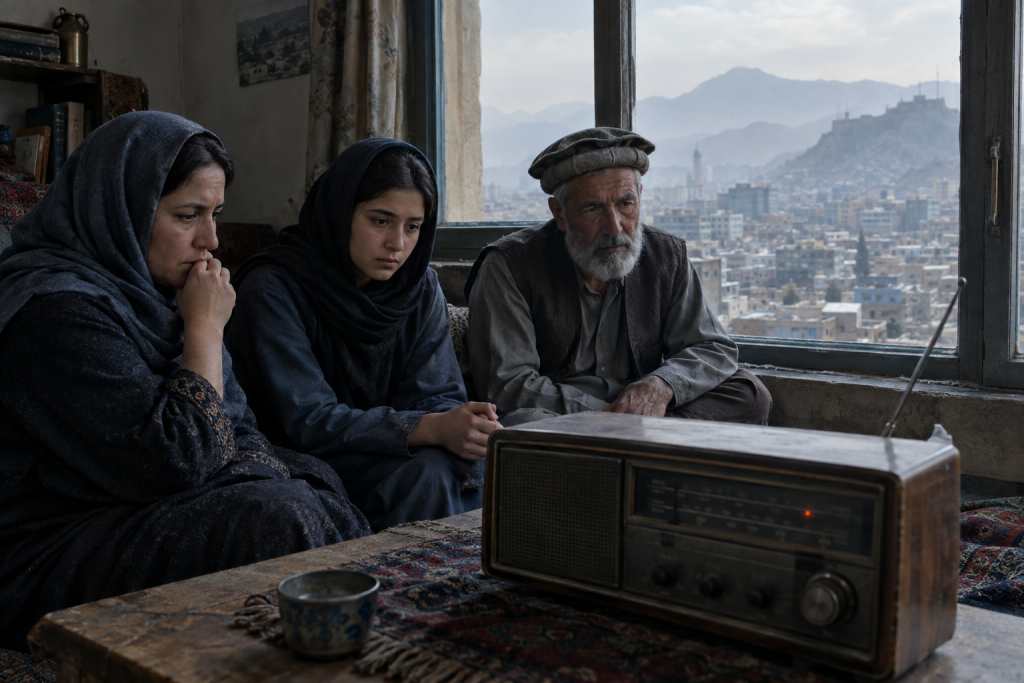
There are significant challenges. Many Afghan families cannot afford smartphones, computers or regular internet access. Some students must share devices with other family members, while electricity shortages and household responsibilities can make online study difficult.
For these reasons, technology cannot replace schools, universities or qualified teachers. Instead, digital education can serve as a bridge for students who have been pushed out of the formal education system.
The long-term consequences of excluding girls from education could affect Afghanistan’s future workforce, economy and public services. Educating girls is not only about individual opportunities; it also contributes to the development of communities and the country as a whole.
As education restrictions continue, technology is opening new paths for Afghan girls — helping some of them preserve their knowledge, develop new skills and prepare for a future they hope to shape.